
In today’s cruise industry landscape, destinations are playing an increasingly central and strategic role. They are no longer simple ports of call along an itinerary, but active partners to cruise lines in creating authentic, sustainable experiences capable of generating shared value.
A port’s competitiveness is now measured by the quality of its infrastructure, the strength of its partnerships, its ability to develop distinctive shore experiences, and its capacity to balance traffic growth with a positive impact on the local community. Within this context, Port Charlottetown stands out for its commitment to strengthening its position in the global market through a vision focused on collaboration, innovation, and long-term value creation. We speak with Kelly Murphy, Director of Marketing & Cruise Development, to explore the strategies, challenges, and future perspectives of a destination determined to distinguish itself in the international cruise landscape.
First and foremost, I would like to thank Kelly Murphy for accepting our invitation. Her extensive experience in the tourism and cruise sectors provides a valuable and informed perspective on the evolving role of destinations within the global market.
Kelly, with over 15 years of experience in tourism and the cruise industry, what have been the key moments in your professional journey that have most influenced your approach to cruise destination strategy?
When I look back on the past 15 years, I really feel like I’ve been lucky to learn from a lot of great people. I’ve had the privilege of working alongside passionate operators, community partners, and industry leaders who have been generous with their time and perspective. They’ve instilled in me that the best outcomes don’t come from working in silos, they come from people working together.
I started my career in national sporting events and later transitioned into experiential and culinary-focused experiences. Being involved in concept development through to operations and execution gave me a 360 view of how an experience comes together. You quickly see how every partner and every detail plays a role in shaping what the guest ultimately experiences.
When I stepped into my role at Port Charlottetown in 2022, it became clear very quickly that those same principles applied to cruise. A cruise call is essentially a one-day, large-scale event. You have a defined window, a high volume of guests, and an expectation that everything runs seamlessly. From the moment we accept a call, our team is planning for that day, from berthing and gangways to timing and passenger flow. Logistics are the foundation, but just like in events, getting people through the gates is only the beginning.
The real opportunity is what happens once they’re here. It’s about how we engage guests in the destination in a way that feels authentic while also driving value, encouraging them to book shore excursions, explore local restaurants and shops, and spend more time ashore. That’s where we’re supporting both the guest experience and the overall yield for our cruise partners.
That balance is key. Logistics create the foundation, and together with the experience, it shapes the success of the day.
At the end of the day, we’re all working toward a shared goal. Cruise lines are building itineraries that need to perform, and as a destination, we play a key role in that. When everyone is aligned, cruise lines, ports, operators, and the community, you create an experience that performs for the guest and delivers value across the board.
At the end of the day, our strategy is rooted in collaboration, consistency, and credibility. We’re grateful for the relationships we’ve built across the industry, and it’s that shared approach that allows all of us to keep improving the experience for guests.
In today’s competitive landscape, the strategic positioning of a destination is crucial to attracting high-quality cruise lines and itineraries. What distinctive elements make your destination particularly appealing to international cruise companies?
Prince Edward Island has a very clear identity, and that’s a big part of our appeal.
We’re known as Canada’s Food Island, and that’s not just a tagline—it’s something guests genuinely experience when they visit. Our seafood industry is world-class, whether it’s mussels, oysters, or lobster, and those products are directly connected to the experiences we offer ashore.
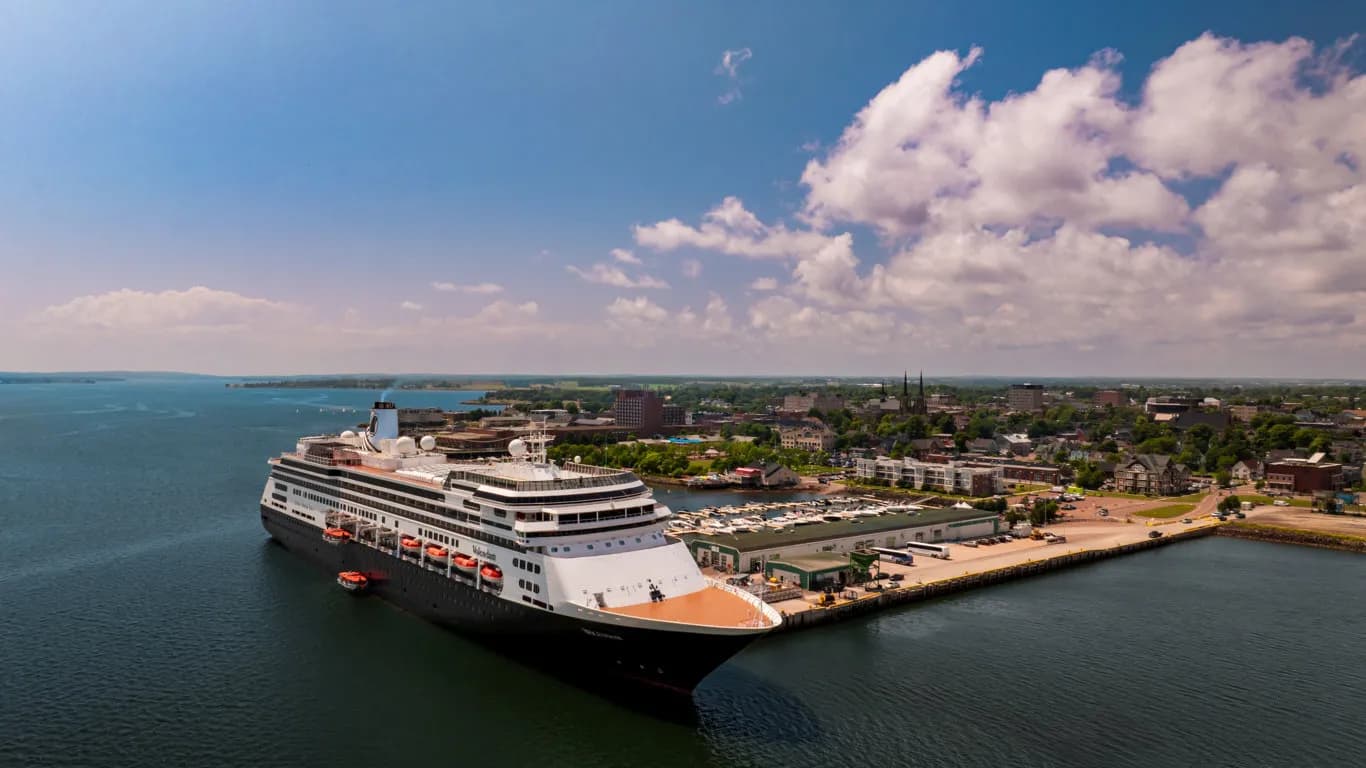
We also benefit from being a highly accessible destination. Port Charlottetown is located right in the downtown core, so guests can step off the ship and immediately immerse themselves in the city—restaurants, culture, history—while still being just a short drive from our coastline and rural communities.
From a cruise perspective, that combination of ease, authenticity, and quality really resonates. And again, it comes back to collaboration—we work closely with our cruise partners to ensure what we’re offering aligns with what their guests are looking for.
Today, the success of a port of call is measured not only in numbers, but above all in the quality of the experience delivered to passengers. In your role, how important is it to strike a balance between cruise line operational requirements and the creation of authentic, memorable shoreside experiences for guests?
It’s absolutely essential—and the two really need to go hand in hand.
Cruise lines are operating complex global itineraries, so reliability and efficiency matter. At the same time, what guests remember most is what they experience ashore.
At Port Charlottetown, we work closely with our cruise partners to understand both sides. We take the time to listen—what their guests are interested in, how expectations are evolving—and then collaborate with our local operators to deliver experiences that feel both seamless and meaningful.
That balance is really where our strategy comes to life. When you get it right, you’re not just a stop on an itinerary—you become a destination guests talk about long after they’ve left.
Shore experiences are among the most strategic factors in itinerary planning for both cruise lines and travelers. Which shoreside experiences currently represent your strongest assets, and how do you ensure they remain innovative and competitive?
Our culinary and coastal experiences continue to be our strongest assets.
Guests are looking for something authentic, and on Prince Edward Island, that often starts with food—lobster fishing experiences, oyster shucking with local growers, mussel farm tours, and chef-led tastings that showcase what’s being harvested right here.
At the same time, our landscapes offer incredible outdoor experiences, from coastal drives to cycling and visits to iconic sites like Green Gables.
What keeps these experiences competitive is the people behind them. Our local operators are constantly refining and evolving what they offer, often based on feedback from cruise partners and guests.
Our role is to support that—connecting operators with cruise lines, sharing insights, and making sure what we bring forward continues to meet the expectations of today’s traveller.
Alongside destination appeal, modern and efficient infrastructure is essential to meeting the needs of an increasingly diverse market. What does Port Charlottetown currently offer in terms of infrastructure, services, and operational capacity to serve both major cruise lines and the luxury segment?
We’re fortunate to offer a very efficient and welcoming port experience.
Our berth can accommodate large vessels, while still maintaining the advantage of being located right in the downtown core. That immediate access to the city really enhances the guest experience and supports local businesses.
Operationally, we place a strong focus on collaboration and consistency. We work closely with cruise lines to ensure scheduling and logistics run smoothly, and that each call is executed at a high level.
We’ve also seen strong growth in the premium and luxury segments, and Prince Edward Island is a great fit for those guests. The scale of our destination, combined with the quality of experiences, aligns well with what those brands are looking for.
In the cruise industry, long-term relationships are as strategic an asset as infrastructure. How important is the development of strong, lasting partnerships with cruise lines, and what are the key elements to maintaining successful relationships over time?
They’re absolutely foundational.
The cruise industry is built on relationships, and maintaining strong, open communication with our partners is key. We make a point of listening, staying engaged, and understanding how their needs are evolving.
At Port Charlottetown, we really view cruise lines as partners. That mindset allows us to continuously refine what we offer and ensure we’re delivering value on both sides.
We also work closely with our regional partners across the Canada New England corridor. That collaboration helps strengthen the overall itinerary, which ultimately benefits everyone involved.
Expanding and diversifying a cruise line portfolio requires a clear vision and ongoing international promotion and networking efforts. What is your strategy for attracting new cruise lines? Do you focus more on specific source markets or particular fleet segments?
Our approach is focused on alignment and relationships.
We look at where our destination is the best fit—particularly within the premium and luxury space, where there’s strong demand for authentic, immersive experiences.
Attending industry events like Seatrade allows us to stay connected, but just as importantly, it’s about the ongoing conversations and relationships we maintain throughout the year.
We also work closely with regional and national partners to position the Canada New England itinerary as a whole. That collaborative approach helps us remain competitive on a global scale.
Let us now turn to one of the most important and widely discussed topics: sustainability. The growth of cruise traffic must translate into tangible benefits for the destination and the local community. How do you balance cruise growth with a positive community impact while maintaining a sustainable model?
For us, sustainability starts with making sure cruise tourism works for the community.
Because we’re located in the downtown core, we work closely with municipal partners, operators, and local stakeholders to ensure cruise visitation integrates well into the broader tourism landscape.
There’s also a strong alignment between what we offer and what today’s guests are looking for—authentic, locally rooted experiences that reflect the destination. Supporting local fisheries, farms, and small businesses is a big part of that.
It’s about growing in a way that feels balanced and sustainable for everyone involved.
In an ever-evolving environment, adaptability is a key factor in ensuring the resilience of a cruise destination. What have been the main challenges for the port so far, and what lessons have you learned from these experiences?
The past few years really reinforced how important adaptability and relationships are in this industry.
The pause in cruising highlighted just how interconnected everything is. One of the biggest takeaways was the value of staying engaged—continuing to collaborate, develop experiences, and support partners even during uncertain times.
That mindset has carried forward and continues to shape how we approach growth today.
Looking ahead, strategic planning is essential to strengthening competitiveness in a constantly changing global market. Over the next five years, what will be the strategic priority for Port Charlottetown, and how do you envision the destination’s evolution within the global cruise landscape?
Our focus is on continuing to strengthen our position within the Canada New England cruise region.
That means continuing to invest in our destination, supporting our operators, and maintaining strong, collaborative relationships with our cruise partners.
Prince Edward Island offers something very special—world-class food, beautiful landscapes, and genuine hospitality. Our role is to keep building on that in a way that’s consistent, credible, and aligned with what our partners and their guests are looking for.
Personally, it’s a privilege to represent Port Charlottetown and work alongside so many dedicated partners. The cruise industry is incredibly collaborative by nature, and we’re grateful to be part of a network that continues to raise the bar together.
A sincere thank you to Kelly Murphy for sharing her vision and professional journey with us, offering an in-depth insight into a destination that has successfully built its identity by focusing on quality, cooperation, and shared value.
Today, Port Charlottetown stands out not only as an efficient port of call, but as a true experiential destination, capable of combining operational excellence with hospitality. In a constantly evolving industry, its approach demonstrates how the strength of relationships and strategic consistency can become decisive factors for long-term success in the global cruise market.
Stay tuned for news, updates, and reviews from the cruise world on Cruising Journal, with photos, videos, and special cruise offers.