Sustainability is becoming an increasingly central pillar in the cruise industry, and UnCruise Adventures is no exception.
As a U.S.-based small-ship cruise company specializing in expedition-style voyages to remote and environmentally sensitive destinations, UnCruise has long placed responsible exploration and low-impact operations at the heart of its philosophy.
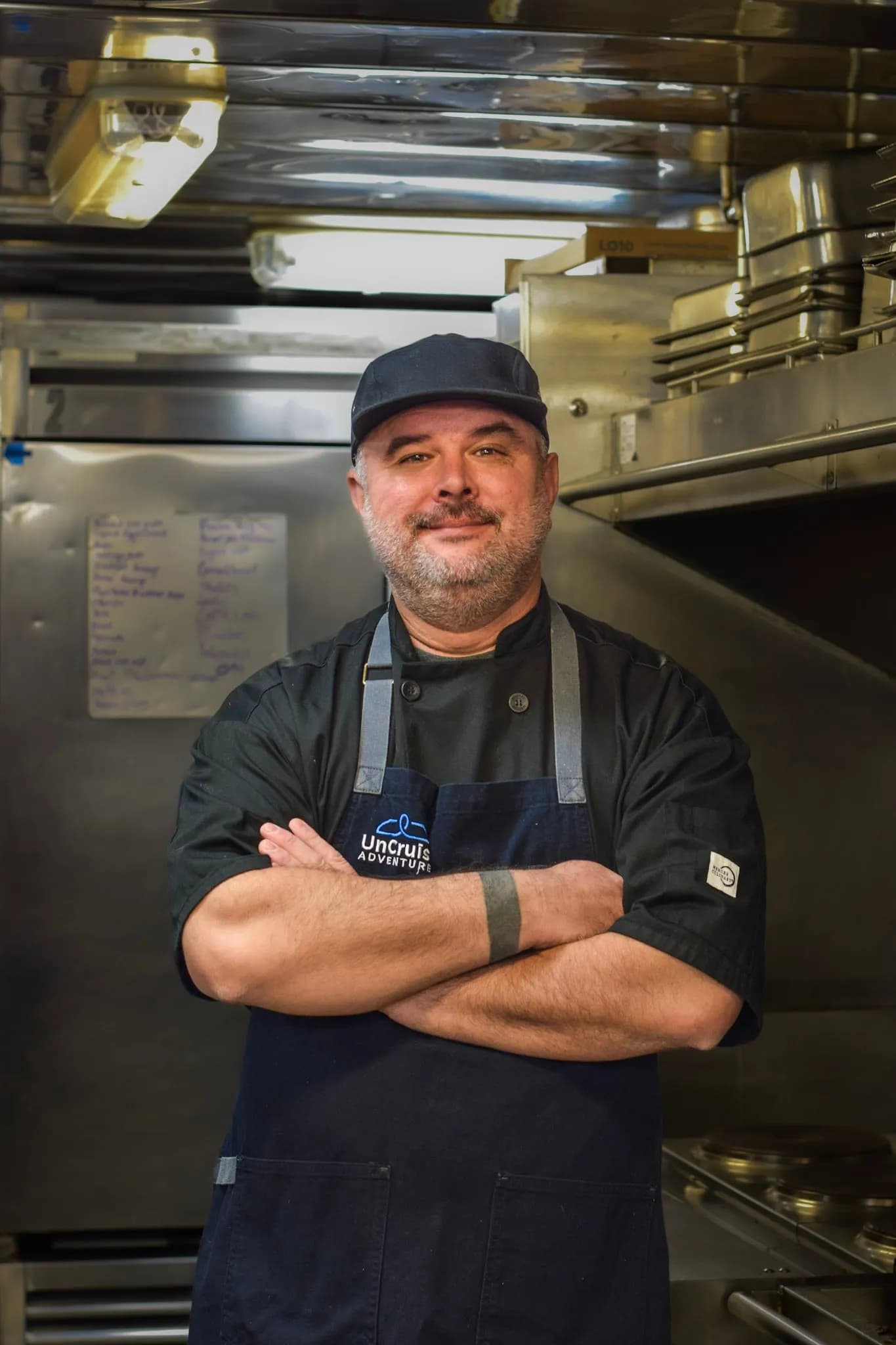
The company continues to introduce practical initiatives aimed at reducing its environmental footprint, both on board and ashore. One of the most recent and promising developments is a new onboard composting program, designed to significantly reduce food waste and support a more circular approach to galley operations. To better understand how this program works and how it fits into UnCruise’s broader sustainability strategy, we spoke with Bob Ward, Culinary Operations Manager at UnCruise Adventures, who plays a key role in overseeing and implementing this initiative across the fleet.
Hi Bob, thank you for sharing this initiative with us. How would you describe UnCruise’s commitment to sustainability, and what are the company’s main priorities today?
Our commitment to sustainability is integrated in many ways but ultimately our main priority is to continue to find ways to lessen the environmental footprint to the areas we visit.
Which sustainable initiatives are currently in place on board and which ones have been introduced more recently?
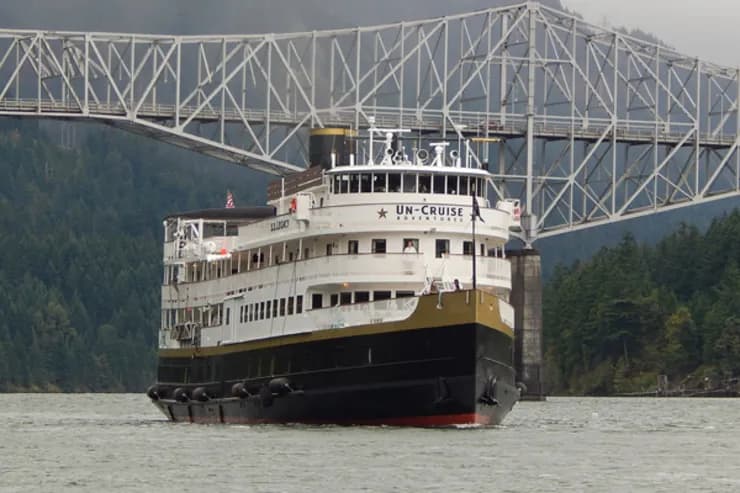
Some of the initiatives that have been in place include sourcing from local suppliers, having a strong focus on reducing food waste, and working with Monterey Bay Seafood Watch to ensure the seafood we serve supports healthy oceans worldwide. Our composting program has been introduced more recently to one of our larger vessels, the Wilderness Adventurer.
Could you tell us about the new composting program: how does it work and what results are you already seeing?
We rolled out the composting program last summer for the Wilderness Adventurer in hopes of putting our food waste to good use by partnering with a company called Juneau Composts. The way it worked is we would keep food scraps separate from the other trash throughout the trip and then offload in Juneau. They would then process it into finished compost. It was then sold locally to the residents and businesses of Juneau. The result was 8,013 pounds of food scraps that was kept from a landfill.
What operational challenges did you encounter when implementing composting on a vessel and how were they overcome?
One challenge we ran into was where we were going to store the food waste for the entirety of the trip. As we all know, food waste can produce a foul smell after a short period of time. We decided the best place was on the top deck of the vessel away from public areas. The food scraps were stored in compostable bags inside a 5-gallon reusable bucket with a tight-fitting lid. The buckets were then placed in a lidded large tote box thus hiding the smell of the food. Another slight challenge we ran into was keeping nonfood waste separated which was overcome by proper onboard training and clear signage in the trash areas.
How does the Operations department collaborate with the galley to reduce food waste?
This again comes from proper training and programs we have in place for the vessels. For instance, we have the guests sign up for meal choices each day, so we know how much of each entrée we need to prepare. We try and establish pars on how much food we order for the number of guests onboard. This can fluctuate though based on the guests each week and how big or small their appetites may be. We also have the galley team document excessive food waste. This could be something like accidently dropping a pan of fresh baked bread that would need to be discarded. They would then need to fill out the form stating how much food was discarded along with the reasoning.
How are ingredients selected (local, seasonal, sustainable) and what impact does this have on the guest experience?
Our menus on all our itineraries have a focus on what we can source locally. This could be anything from a small business in Baja where we source freshly made tortillas to organic farms in Hawaii where we source produce for our menus.
Have you noticed a shift in guests’ awareness of environmental issues? How do they respond to the green initiatives on board?
Hard to say on whether there has been a shift in guest awareness, but on the culinary side we do share our beliefs on food waste, sourcing locally and serving sustainable seafood. We hope that the guests after sailing with us can bring this knowledge back home and share with their community.
Will the composting program be expanded in the future? What are the next steps or medium- to long-term goals?
We are currently discussing bringing the compost program to the rest of the fleet and hopefully will be able to expand on some level for the 2026 spring and summer season.
The introduction of onboard composting represents a concrete step forward in UnCruise Adventures’ ongoing commitment to sustainability. By integrating operational practices with culinary leadership, the company demonstrates how meaningful environmental change can begin in the galley and extend throughout the entire ship. As guest awareness continues to grow and the program looks toward future expansion, initiatives like this highlight UnCruise’s proactive approach to responsible cruising where innovation, collaboration, and environmental stewardship go hand in hand.
We would like to thank Bob Ward and the UnCruise Adventures team for taking the time to share their insights and for their continued dedication to advancing sustainable practices within the cruise industry.
Don’t miss news, updates, and reviews about UnCruise Adventures on Cruising Journal, featuring photos, videos, and cruises on offer.