Sustainability is neither an abstract concept nor a distant goal. It is a daily choice, shaped by concrete decisions, and it takes form, above all, through what we bring to the table.
For Scenic Group, food is never just nourishment: it is culture, storytelling, and a connection to the places visited. It is one of the most powerful tools for generating a positive impact on local communities and on the overall guest experience, and it plays a clear role within the Group’s Cherish the Planet sustainability framework.
At Scenic Group, the approach to dining is built on a clear principle: delivering exceptional culinary quality while progressively embedding sustainability into sourcing decisions. This includes supporting local economies where possible, considering the environmental impacts associated with transportation and storage, and operating more consciously throughout relevant parts of the supply chain. In this context, sustainability is not a compromise, but an added value that enhances every dish and every journey.
One of the cornerstones of Scenic Group’s commitment is the development of Sustainable Procurement Guidelines. These guidelines are being used as a practical tool to steer sourcing decisions toward high‑quality ingredients, selected with regard to their environmental, social, and economic impact, and to help integrate the Cherish the Planet focus areas into purchasing decisions.
The objective is clear: to procure outstanding ingredients, often locally where feasible, in order to create gourmet menus that capture the essence of the regions visited. Purchasing decisions are increasingly designed to promote responsible practices, build long‑term relationships with suppliers, and, over time, strengthen transparency across the value chain.
To support this process, Scenic Group has introduced supplier self‑assessment questionnaires as part of the implementation of its Sustainable Procurement Guidelines. These tools help communicate expectations and ESG‑related objectives, and they assist in assessing the extent to which suppliers align with the Group’s values and can contribute to positive social and environmental outcomes in local communities.
Eating sustainably also means paying attention to seasonality. For Scenic Group, this includes working with local suppliers to understand which products are genuinely available at different times of the year and, where possible, reflecting this in menu planning. This approach supports the use of fresh ingredients and can help reduce the environmental impact associated with long‑distance transportation or storage‑intensive products, while also offering guests an opportunity to better connect what they taste with the territories they explore.
Where operationally feasible, menus are planned around seasonal fruit and vegetables and feature rotations to reflect changes in availability. Each dish can thus become an expression of a specific moment and place, celebrating ingredients that are characteristic of a region.
Another important element of Scenic Group’s strategy is the emphasis on fresh ingredients and regional culinary traditions. Planning menus that draw on local dishes and locally available resources, where this can be done consistently with safety and quality standards, helps strengthen the connection with the places visited and can support local producers.
This focus also opens opportunities to develop longer‑term relationships with selected local suppliers that demonstrate responsible practices. In some destinations, Scenic Group’s broader sustainability agenda includes charitable partnerships and community initiatives that complement its sourcing approach, for example through programs that support training, education, or improved access to clean water.
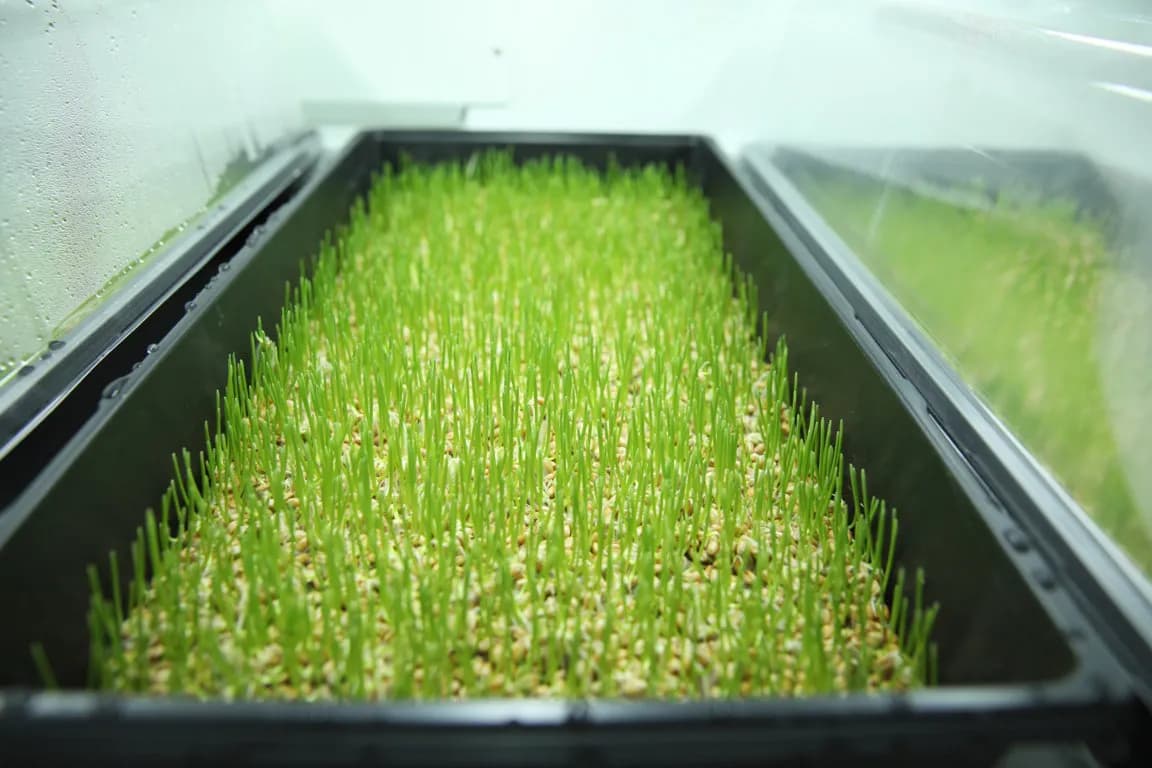
In some cases, the supply chain is shortened even further through onboard production. On selected vessels, Scenic Group grows fresh herbs and other garnishes, which are used in daily culinary preparations. This simple yet meaningful initiative reduces the need to transport certain ingredients and ensures just‑harvested additions that can elevate each dish.
Sustainability also means respect for animal welfare. Scenic Group is in the process of formalising its approach through an Animal Welfare Policy to be introduced from 2025, which will clearly set out expectations for partners and experiences. These principles inform how animal‑derived products and experiences are considered within the broader Cherish the Planet framework.
At the same time, Scenic Group maintains a growing commitment to reducing food waste, recognised in the Impact Report as a key challenge across river and ocean operations. Data for 2024 show that food waste intensity per guest increased compared to 2023, and the Group has begun developing targeted initiatives and case studies to address this, including projects focused on using more of each ingredient and refining planning and preparation practices. The goal is to minimise waste while preserving the high standards of quality, variety and creativity that define the onboard dining experience.
The commitment to sustainability also extends to beverages. Scenic Group’s Sustainable Procurement Guidelines encourage consideration of social and environmental aspects in supplier selection, which can include ethical practices such as fair‑trade sourcing or organic options where appropriate and available. Whenever possible, beverage offerings are curated to showcase regional products—such as local wines, beers, or spirits—strengthening ties with host communities and enhancing the sense of place for guests.
For Scenic Group, sustainable cuisine cannot be defined by a single criterion. The inclusion of more sustainable dishes on menus stems from a combination of factors designed to showcase ingredients, suppliers, and regions, guided by internal menu‑design guidelines aligned with the Cherish the Planet framework. These dishes may appear as special features linked to a particular region or itinerary rather than as fixed, daily offerings across all ships. The guidelines, shared with suppliers and onboard teams, recognise the importance of local knowledge and crew ideas in making each menu unique and authentic. In this context, dining becomes a fully immersive experience in which stories, cultural references and connections to the destination can transform a dish into a lasting memory.
Reducing unnecessary steps in the supply chain is another important principle. Where safe and practical, shortening the time between harvest or catch and service at the table helps support freshness and quality and can also lower the indirect environmental impacts associated with transportation and storage. This approach recognises the work of producers and is consistent with Scenic Group’s intent to take a more holistic view of impacts along the supply chain.
Each ingredient is increasingly assessed with an eye to its broader footprint, which may include distance travelled, mode of transportation, type of packaging, and production practices. Where possible, Scenic Group seeks to work with products and partners that can demonstrate responsible practices, while also acknowledging that not all sustainable activity is captured through formal certification. Supplier self‑assessment questionnaires are one of the tools used to improve understanding of practices across the supply chain and to support more informed choices.
Food is also one of the most powerful vehicles for telling a culture’s story. Through the dishes served on board, Scenic Group offers guests a direct connection to the traditions, flavours, and histories of the regions visited. This culinary link is often complemented by onshore experiences, such as visits to markets, villages or farms, that help guests see the origins and context of what they enjoy on board.
A tangible example of this philosophy is Nom Banh Chok, a traditional breakfast beloved by the Khmer people, served on board Scenic Spirit on the Mekong River. The dish is rooted in Cambodian culture, and its flavour profile varies by region. Ingredients such as Kroeung paste sourced from Psar Kandal Market in Phnom Penh, lotus stems from Kampong Puoy and a variety of local flowers are combined with herbs grown in the onboard garden. For the crew, seeing guests experience such a culturally significant dish is a source of pride, turning breakfast into a meaningful exchange of memories and stories.
Scenic Group’s commitment continues to evolve. Future objectives outlined in the Impact Report include further embedding sustainability into procurement and menu design, expanding initiatives such as onboard herb production, and strengthening engagement with ESG‑aligned suppliers and community partners. The Group is also working to improve the completeness and quality of its data so that it can more accurately measure progress and refine its approach over time. For Scenic Group, sustainability also passes through food because food is connection, responsibility, and storytelling—a tangible way to respect the planet, value people, and offer guests an authentic, mindful, and unforgettable experience.
Don’t miss news, updates, and reviews of Scenic Cruises on Cruising Journal, featuring photos, videos, and special cruise offers.