
Wales is a destination where sustainability is not a trend, but a value deeply rooted in the land and in its culture. Here, eco-travel comes naturally: unspoiled landscapes, dynamic local communities, and strong institutional commitment make the country a natural choice for those who wish to travel responsibly.
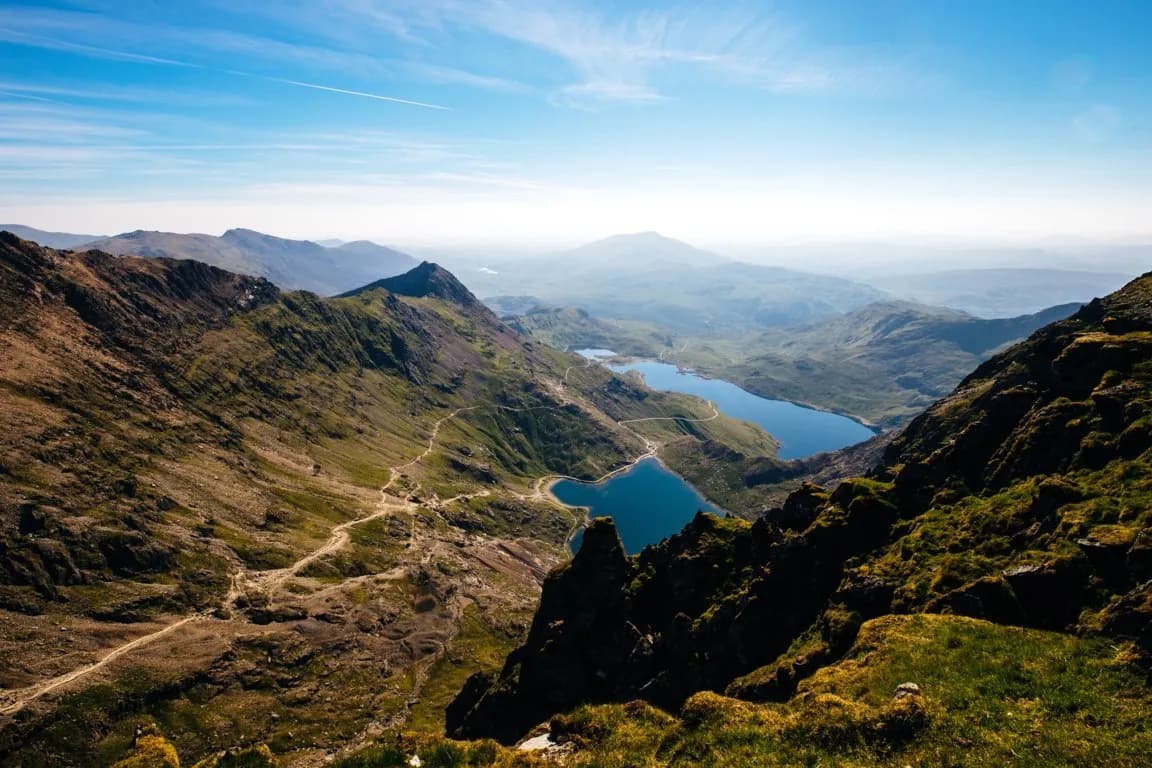
One fifth of Welsh territory is protected by three National Parks, Snowdonia National Park, Pembrokeshire Coast National Park, and Brecon Beacons National Park, in addition to five Areas of Outstanding Natural Beauty, nature reserves, and nearly 1,500 km of coastline. Majestic mountains, green valleys, ancient forests, and ocean-facing cliffs offer endless opportunities for low-impact hiking, cycling, kayaking, and wildlife watching. In the heart of central Wales, the UNESCO-recognized Dyfi Biosphere embodies this balance: a region where biodiversity, environmental protection, and community life coexist in harmony.
Staying in Wales often means choosing accommodations immersed in nature and designed to reduce ecological footprint. From eco-lodges to yurts, from wooden cabins to panoramic campsites, the offer prioritizes natural materials, renewable energy, and short supply chains. A pioneering example is the Centre for Alternative Technology, a research center founded in the 1970s that promotes renewable energy and sustainable building. The visit, which begins with a striking water-powered funicular railway, is a true journey into a sustainable future.
Wales is also looking ahead in the energy sector. After a past closely tied to coal, the country is now investing in offshore wind, tidal energy, and green hydrogen. Its windy coasts and marine test zones serve as natural laboratories for the technologies that will power tomorrow. This vision is reflected in local communities as well: Anglesey was the first county in the United Kingdom to achieve plastic-free status, while in Pembrokeshire initiatives such as the St Davids Eco Trail promote soft mobility, “field to fork” gastronomy, and conscious experiential tourism.
Sustainability in Wales also passes through the table. Farmers’ markets and independent producers highlight local products such as salt-marsh lamb, Welsh Black beef, and the renowned Halen Môn sea salt. Craft distilleries and mineral water producers draw from pure natural resources, transforming them into internationally appreciated excellence. Choosing Wales therefore means supporting a local economy that is attentive to both the environment and tradition.
Sustainability in Wales is not only about the environment, but also about people. Communities preserve their language and cultural heritage, creating a development model that places collective well-being and work-life balance at its core.
Whether walking along the Pembrokeshire coast, observing red kites soaring once again across Welsh skies, or exploring eco-sustainable villages such as Lammas, every experience tells the story of a country that has chosen to grow in harmony with nature.
Don’t miss the latest news, updates, and reviews from the world of cruises on Cruising Journal, featuring photos, videos, and special cruise offers.