
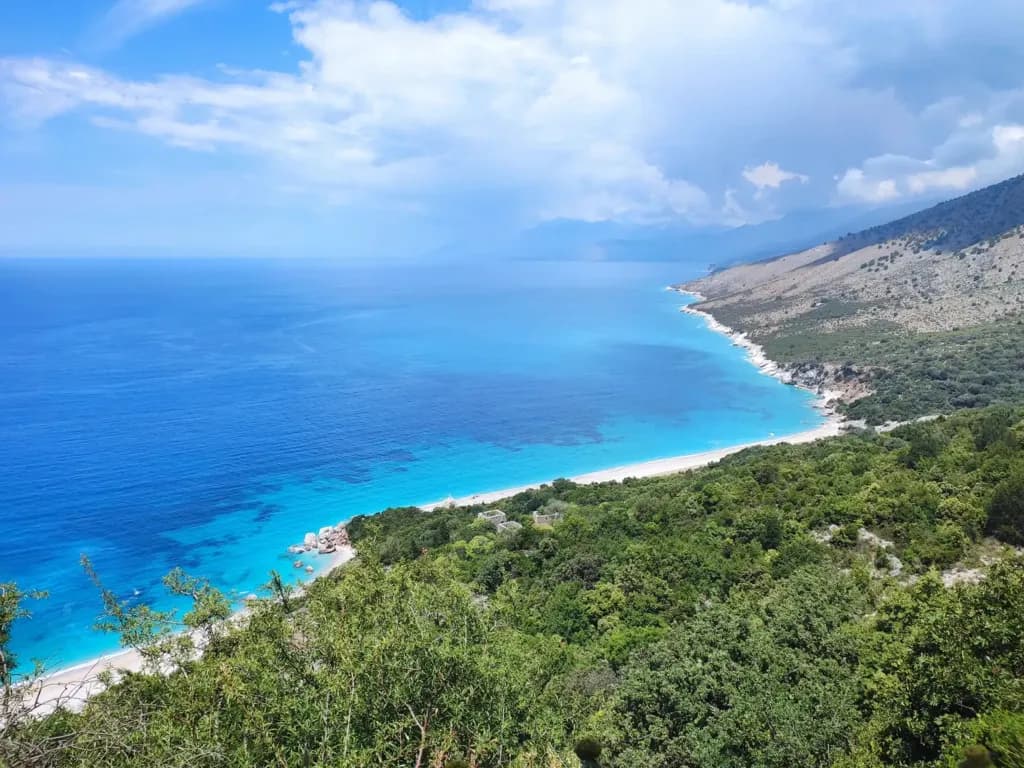
Albania has been increasingly investing in sustainable maritime tourism as cruise tourism continues to grow rapidly, particularly in ports such as Saranda and Durrës.
Within the framework of national tourism development policies, the Albanian government plans to transform the Port of Durrës into a modern hub dedicated to cruise ships and yachts. A strategic development plan also foresees the construction of around 20 new marinas along the coast, from Velipoja to Ksamil, with the aim of supporting sustainable marine tourism across the Adriatic and Ionian coastline. At the regional level, investments across the Adriatic area, including Albania, exceed €416 million for cruise terminals and marina infrastructure, covering projects such as the development of the marina in Vlora.
Alongside infrastructure development, several initiatives are being promoted to ensure more sustainable port operations. These include the implementation of wastewater management and waste treatment systems in ports and marinas, the introduction of environmental protection measures for coastal ecosystems, and the development of clean energy solutions and electrification infrastructure designed to reduce emissions from maritime transport.
At the same time, cruise tourism in Albania has experienced significant growth. The Port of Saranda welcomed more than 740,000 passengers during the first ten months of 2025, clearly demonstrating the rapid expansion of the cruise sector. This increasing traffic is encouraging authorities to further strengthen sustainable port management practices and continue improving infrastructure to accommodate future growth.
Environmental Sustainability Programs and Certifications
Several initiatives support environmental sustainability in Albania’s tourism sector. Albania recognizes tourism businesses that adopt sustainable practices through the SDG Business Pioneers Award, organized with international partners. The program encourages companies to implement environmentally responsible practices, support social inclusion, and align business strategies with the UN Sustainable Development Goals (SDGs).
The Circular Tourism Albania project promotes sustainability through the circular economy model in tourism. The initiative trains tourism businesses and professionals to reduce resource consumption, manage waste efficiently, and adopt environmentally friendly business practices.
Albania also participates in several international sustainability programs, including Interreg Euro-MED Sustainable Tourism Mission, which focuses on climate change adaptation, biodiversity protection, and circular economy solutions for tourism destinations.
Sustainable Tours and Low-Impact Experiences
Albania is increasingly promoting low-impact tourism experiences, with a particular focus on nature-based tourism. Ecotourism and nature tourism include activities such as hiking and trekking in the Albanian Alps, tours of national parks, birdwatching and biodiversity tourism, as well as rural and agro-tourism experiences. These activities encourage slow tourism, reducing environmental pressure while supporting local economies.
In addition, the project “Electric Mobility for Sustainable Tourism in Albania” promotes the use of electric vehicles, low-emission transport systems, and cleaner mobility for tourism destinations, helping to reduce carbon emissions in tourism areas.
Cultural and heritage experiences are also part of Albania’s sustainable tourism offerings, with guided tours in UNESCO heritage cities such as Berat and Gjirokastër, community-based cultural tours, traditional craft workshops, and gastronomy experiences.
Local Community Involvement in the Tourism Supply Chain
Local communities are playing an increasingly important role in Albania’s tourism economy. Many tourism initiatives highlight traditional Albanian cuisine, locally produced food and wine, and regional products such as olive oil, honey, and cheese, ensuring that visitors experience the authentic flavors of the area. At the same time, programs support community-based tourism, promoting small guesthouses and family-run accommodations, local tour guides, as well as rural cooperatives and craft producers. This approach ensures that the economic benefits of tourism reach local communities directly, rather than being concentrated in the hands of large companies.
Tourism projects also contribute to cultural heritage preservation by restoring historic towns, maintaining traditional architecture, and promoting cultural festivals and artisan traditions, integrating the local community into the broader tourism supply chain.
Strategic Plans and Future Roadmaps for Ecological Transition
Albania’s tourism development is guided by the National Tourism Strategy 2024–2030, which promotes sustainable and inclusive tourism. The strategy prioritizes the development of ecotourism and alternative tourism, the protection of natural and cultural heritage, stronger involvement of local communities, and the diversification of tourism regions across the country.
At the same time, the Albania Infrastructure and Tourism-Enabling Project, funded by the EU and the EBRD, supports sustainable tourism infrastructure with investments of around €100 million. The project focuses on improving infrastructure in tourist cities such as Berat, Korça, Fier, and Shkodër, protecting natural and cultural heritage sites, and supporting tourism businesses and local development.
Other Actions and Future Sustainable Tourism Projects
Albania regularly hosts tourism events aimed at promoting sustainability. For instance, the Tourism Fair Albania (2025–2026) in Tirana emphasizes ecological tourism, sustainable travel models, and fosters partnerships between international tourism stakeholders. At the same time, the government is planning to establish an International Tourism and Hospitality Academy to train professionals in sustainable tourism practices, strengthening the sector’s knowledge and skills.
In addition, digital tourism systems are being developed to support more efficient management of tourism data, monitor visitor flows, and ensure the sustainable management of destinations, integrating technology into the broader strategy for sustainable tourism development.
In conclusion, Albania is increasingly positioning itself as a sustainable tourism destination in the Mediterranean. The country is making significant efforts through investments in sustainable port infrastructure and marinas, the promotion of ecotourism and low-impact travel experiences, and the development of community-based tourism. At the same time, Albania is implementing international sustainability projects and adopting the National Tourism Strategy 2024–2030, which emphasizes environmental protection, social inclusion, and long-term tourism sustainability. Together, these initiatives aim to ensure that tourism growth contributes to economic development while safeguarding Albania’s natural and cultural heritage.
Don’t miss news, updates, and reviews from the world of cruises on Cruising Journal, with photos, videos, and cruise deals.