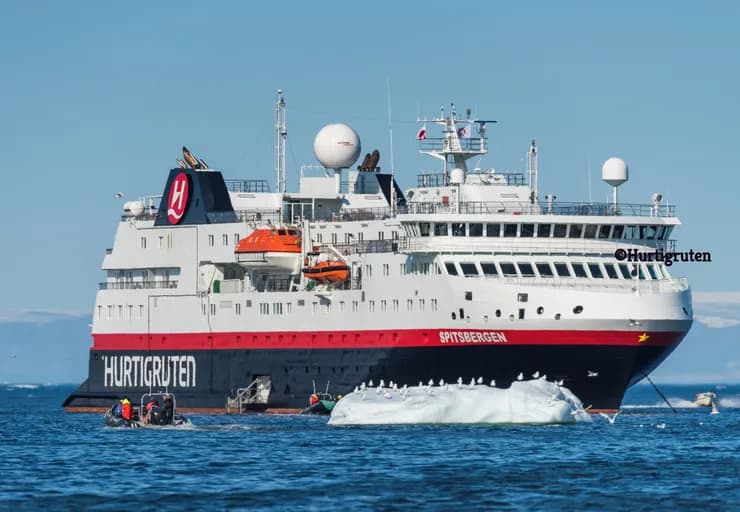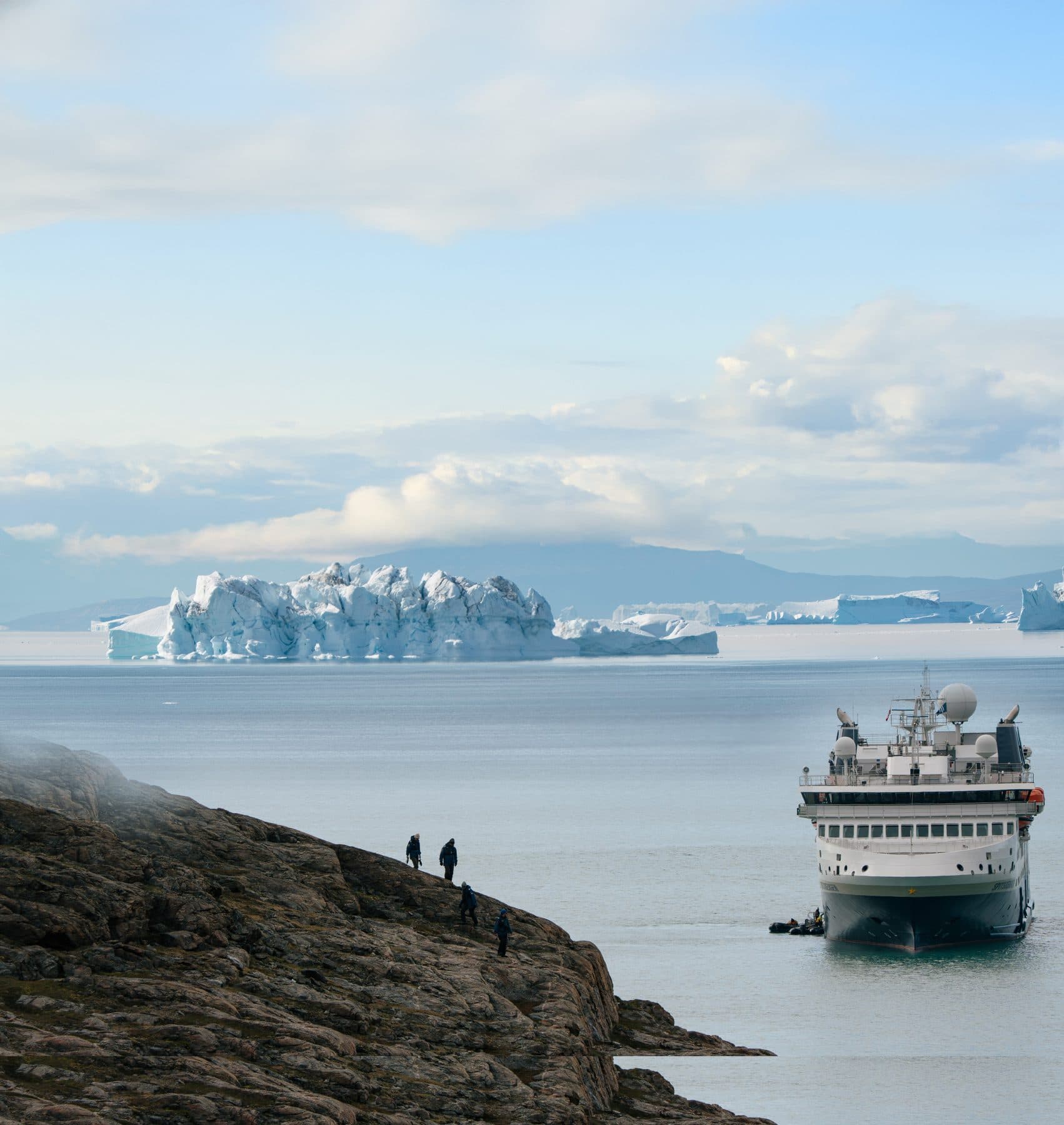
What is particularly interesting about HX Expeditions’ 2028/29 season is the direction in which the expedition cruise product is evolving. The company has announced 57 voyages across 14 destinations, including 26 new itineraries, two destinations new to the brand and five major product innovations. Behind those numbers is a clear effort to create a more flexible offering: shorter voyages where the experience can be concentrated, considerably longer expeditions where geography demands more time, and even traditional repositioning crossings transformed into products with an identity of their own.
It is an interesting evolution because expedition cruising has always required time by its very nature. Reaching remote regions, navigating according to environmental conditions and leaving room for the unexpected do not fit easily into overly compressed schedules. HX does not appear willing to give up that element, but at the same time it is working to make certain destinations accessible to travelers who cannot devote two or three weeks to a single expedition. Alaska and Greenland are the clearest examples, with new eight-day products that bring expedition travel closer to the duration of a traditional cruise without necessarily adopting its pace.
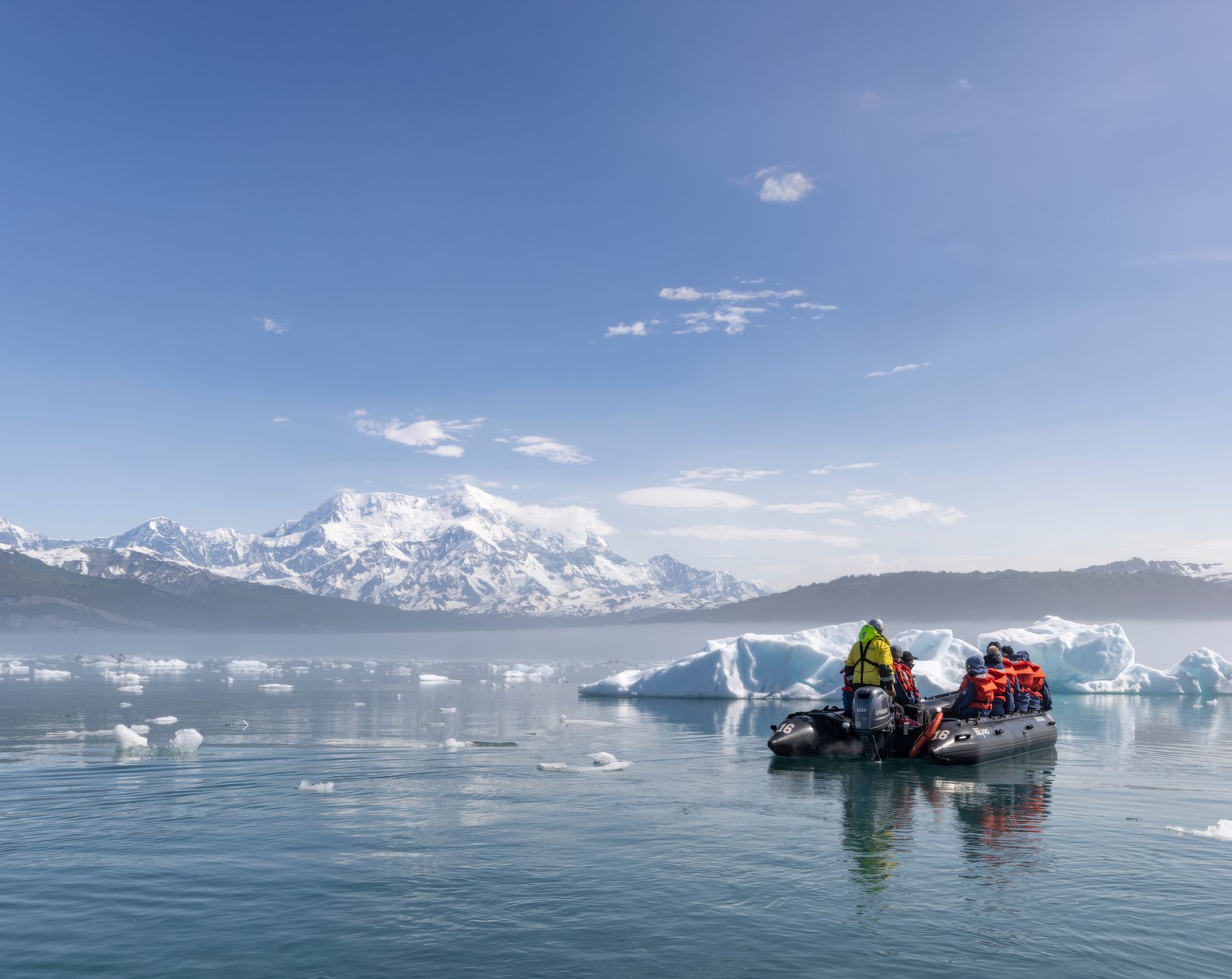
In Alaska, HX is introducing two new versions of Alaska’s Inside Passage – Wilderness & Culture, sailing northbound and southbound between Vancouver and Sitka. The eight-day itineraries dedicate five full days to Southeast Alaska, with only one full day spent entirely at sea. The two routes have also been designed to complement one another and can be combined into a longer expedition, while the program introduces two new 17-day itineraries focused on the Aleutians and Katmai. This should not simply be seen as a way to “do Alaska in less time.” Rather, HX appears to be increasing the density of the experience, focusing more of each voyage on the elements that distinguish expedition travel: time ashore, small-boat exploration, landscapes, wildlife and engagement with local communities. From a commercial perspective, this is an important shift, making this type of journey more accessible to travelers intrigued by Alaska but less inclined to commit two weeks or more.
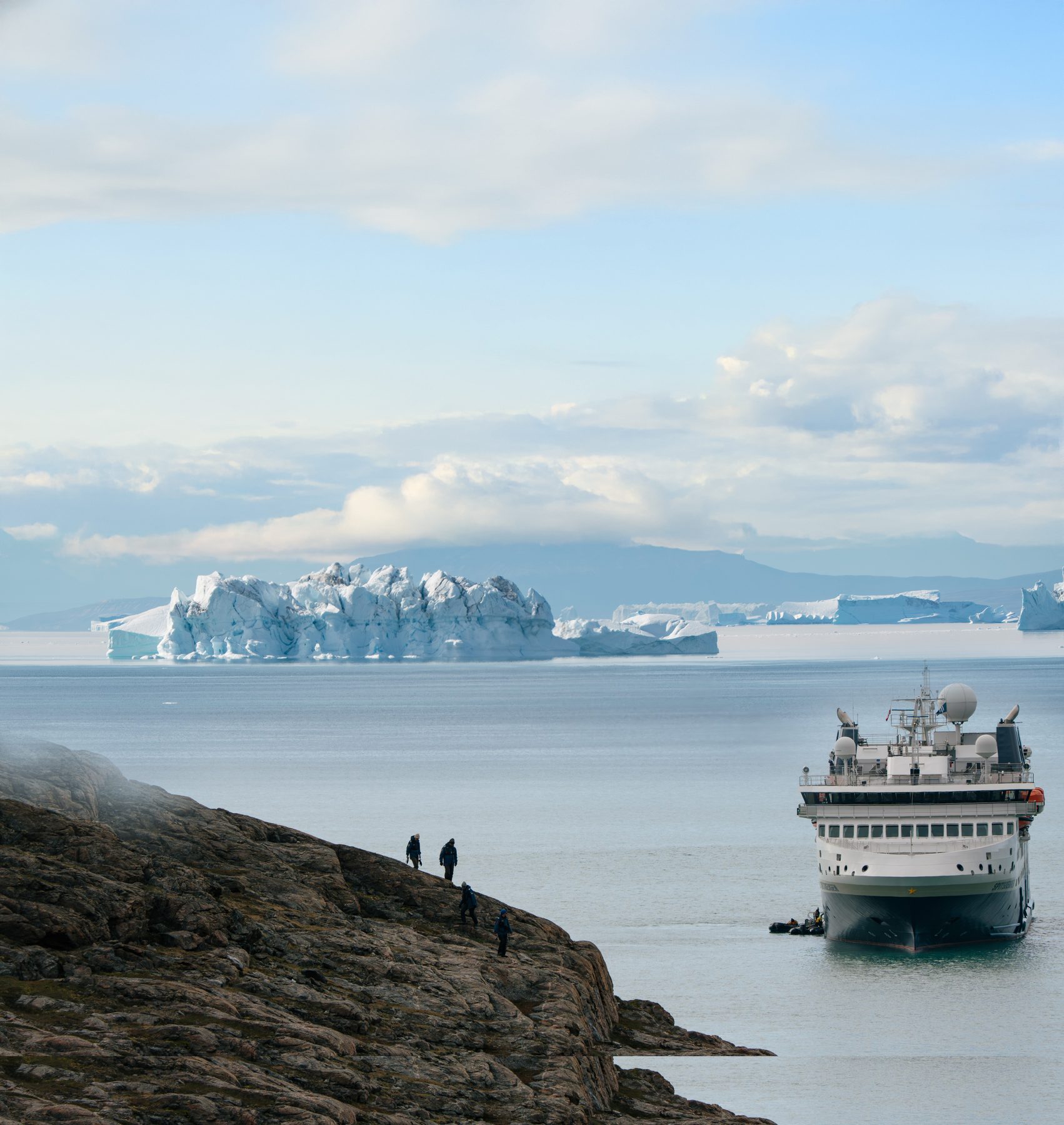
Engagement with local communities remains one of the areas HX continues to emphasize most strongly in the region. The itineraries have been developed in partnership with Indigenous communities and local stakeholders, building on the work already undertaken with Old Harbor Native Corporation on Kodiak Island. Kake joins the northbound program, while Elfin Cove is added to the southbound route. The added value of expedition travel here cannot simply be reaching a less-visited fjord; increasingly, it lies in understanding a place through the people who live there. A similar approach emerges in Greenland. The new Discovering West Greenland – Icebergs & Communities of Disko Bay brings together some of the west coast’s most recognizable highlights in eight days, including Disko Bay, Ilulissat Icefjord and communities such as Kangaamiut and Maniitsoq, while avoiding full days spent at sea. Longer itineraries remain alongside this more compact option, crossing southern Greenland and linking Nuuk with Reykjavik. Overall, HX is creating a program ranging from eight to 15 days across different parts of the island. Once again, duration becomes an integral part of the product. Greenland remains a logistically complex destination, but more concentrated formats can open it to a broader audience. This is likely to become an increasingly important trend in expedition cruising: not simplifying the destination itself, but using gateways, flights and itinerary design to reduce the time required to reach what travelers have actually come to experience. At the opposite end of the spectrum is one of the season’s most ambitious offerings. Into the Northwest Passage – Circumnavigating Baffin Island is a 19-day voyage that will attempt a transit of the Fury and Hecla Strait, a route rarely navigated by expedition vessels. From the vast fjords of Baffin Island’s eastern coast to the ice-filled channels of the High Arctic and the waters of Foxe Basin, the itinerary combines wilderness and Inuit culture, including communities such as Qikiqtarjuaq and Kinngait.
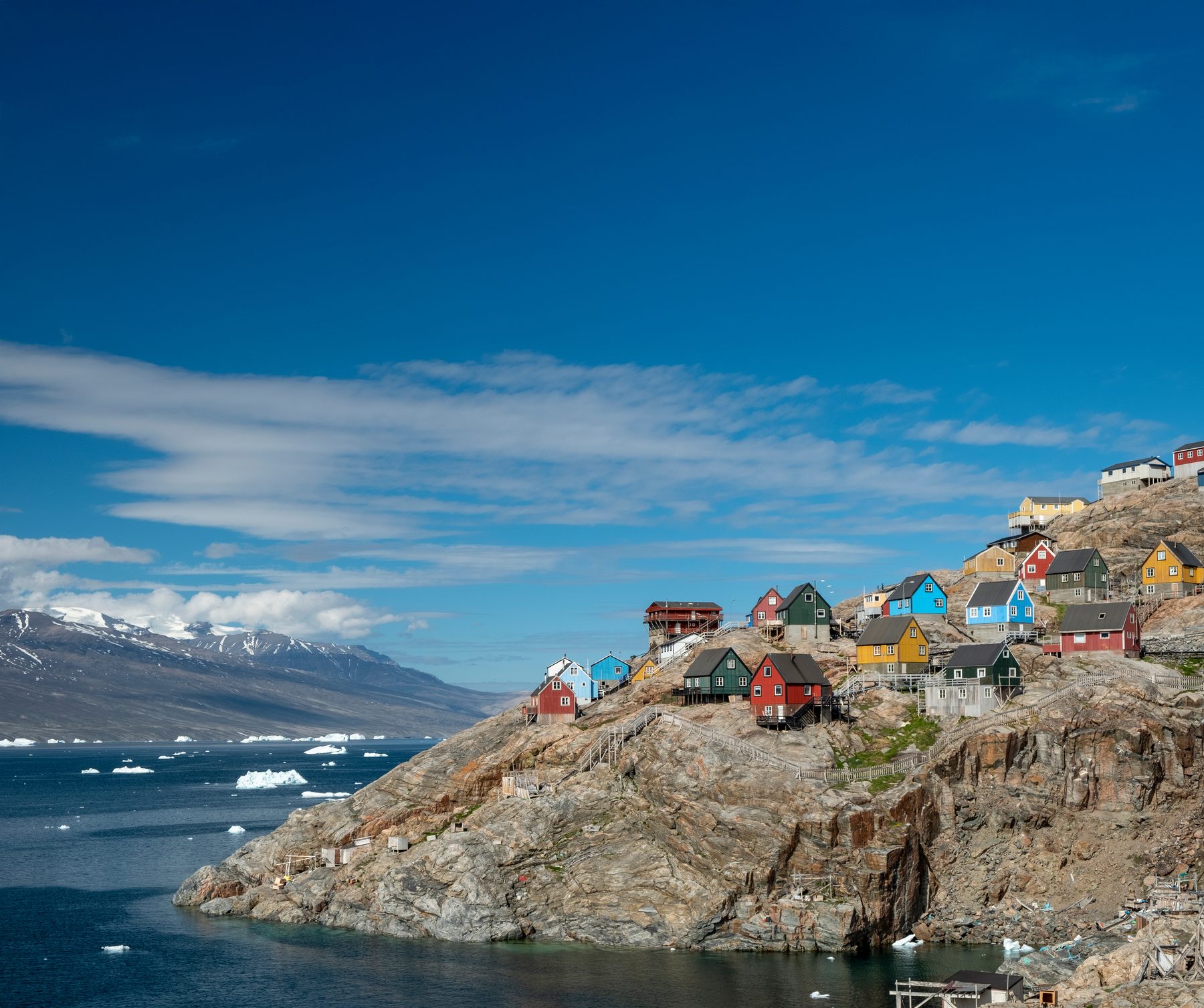
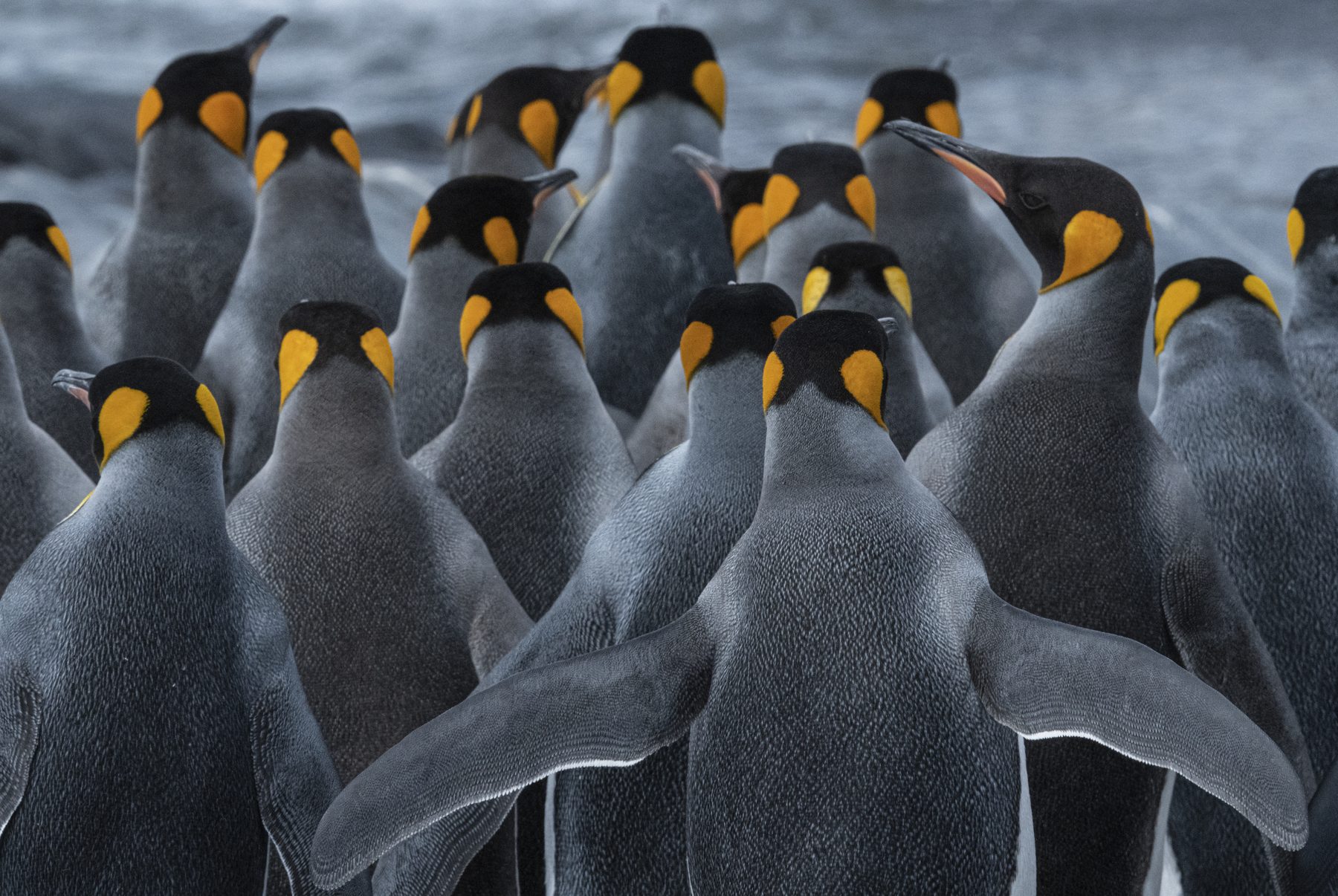
Here, expedition travel returns to its most traditional form: longer durations, environmental conditions that can shape the itinerary and an element of unpredictability that is part of the journey itself. This remains particularly important as the sector grows and inevitably becomes more structured. In the most remote parts of the Arctic, however, ice and weather still have the final say, and the ability to adapt the program remains one of the features that distinguishes a genuine expedition from a conventional itinerary. Antarctica also brings significant additions. HX will launch Antarctica & South Georgia – Kingdoms of Ice and Wildlife, a new 19-day itinerary combining the Antarctic Peninsula and South Georgia, while Stanley in the Falkland Islands will once again serve as a gateway to Antarctica. The In-Depth Antarctica, Falklands & South Georgia Expedition will depart from Stanley, bringing the Falklands, South Georgia and the Antarctic continent together in a single journey. According to HX, it will be the first time in more than a decade that a major cruise company has used the Falklands as a gateway for an Antarctic expedition.
This is an interesting development because in expedition cruising the gateway can shape the product almost as much as the destination itself. Changing the point of departure affects logistics, overall travel time and the way the experience is structured. In a market where Ushuaia remains the natural reference point for much of the Antarctic offering, introducing Stanley as an alternative also creates another way to differentiate the journey. Scandinavia represents a different kind of expansion. HX will enter the Baltic Sea and Gulf of Bothnia for the first time, deploying MS Spitsbergen in a region far less associated with the traditional expedition image than Svalbard, Greenland or Antarctica. Sweden & Finland: Autumn in the Gulf of Bothnia will explore the UNESCO-listed Kvarken Archipelago and coastal communities across Sweden and Finland, while Southern Scandinavia: Between Norwegian Fjords and Swedish Isles will travel through Denmark, Sweden and Norway, combining archipelagos, coastal communities and fjords. Norway Cape to Cape – Beyond the Arctic Circle will complete the program by following the Norwegian coast from Lindesnes to the North Cape.
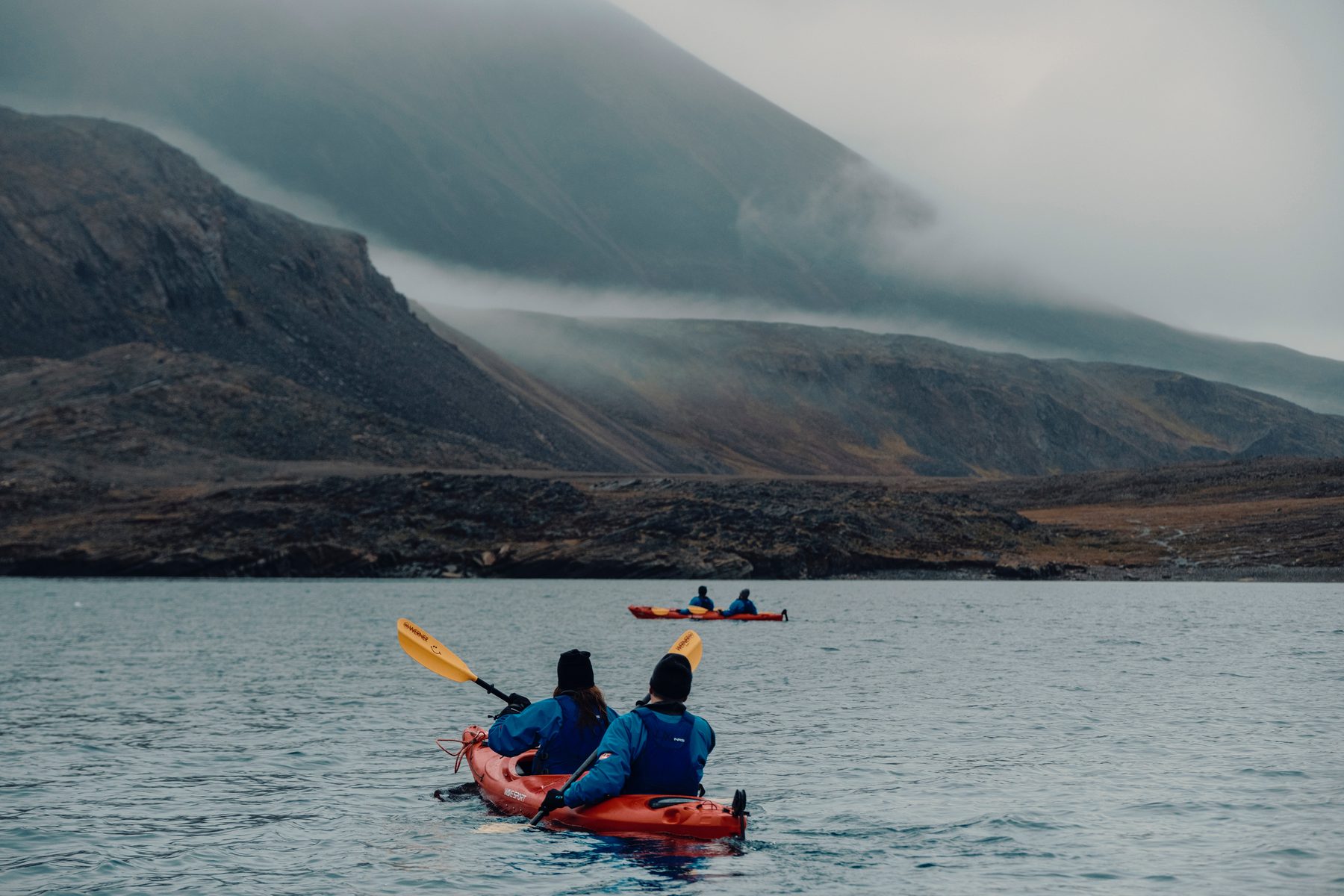
This may be one of the most interesting aspects of the new program. HX is applying the language and approach of expedition travel to European destinations that are already perfectly accessible through conventional tourism. The value therefore lies not in how geographically extreme a place is, but in how it is explored: seasonality, smaller communities, archipelagos, time ashore and a stronger presence from the Expedition Team. The concept of expedition travel is gradually moving away from the idea that exploration must always take place at the ends of the earth. That shift could significantly broaden the market, making this style of travel relevant to guests drawn to deeper exploration without necessarily wanting to travel to the polar regions.
Another interesting commercial experiment is the Ocean Crossings collection. HX will launch nine new itineraries built around the crossings that connect the fleet’s different operating regions. Rather than treating repositioning simply as a necessary transfer from one season to another, the company is turning it into an experience in its own right, with lectures, workshops, wildlife watching and more time to engage with the expedition teams. The routes cross both the Atlantic and Pacific and include calls at destinations such as Bermuda, Cape Verde, Salvador, Recife and Golfito, as well as a voyage to Seville via the Guadalquivir River and new Pacific stops including Huatulco and La Paz.
The logic is clear: turn passages the fleet would need to sail anyway as it moves between operating regions into recognizable, marketable products. It will not necessarily appeal to everyone. Travelers who see expedition cruising primarily as a succession of landings may find multiple days at sea less compelling; for those who also value shipboard life, lectures, scientific content and interaction with the expedition team, however, the crossing itself can become the reason for traveling. In Svalbard, the main development is the extension of the season into September, allowing guests to experience the archipelago’s transition from the Midnight Sun toward the gradual return of darker nights and, with them, the possibility of seeing the Northern Lights. It is another sign that the growth of expedition cruising is not driven solely by new destinations, but also by finding new ways to use the seasons in places that are already well established. The Galápagos Islands, by contrast, provide an element of continuity. HX will maintain its year-round program aboard MS Santa Cruz II, with established itineraries including Galápagos Islands – In Darwin’s Footsteps and Galápagos Islands – Nine of the Best Isles, as well as the option to combine the journey with extensions to Machu Picchu. In a season packed with new developments, what remains unchanged is also significant: a mature product does not necessarily need to be reinvented with every new program.
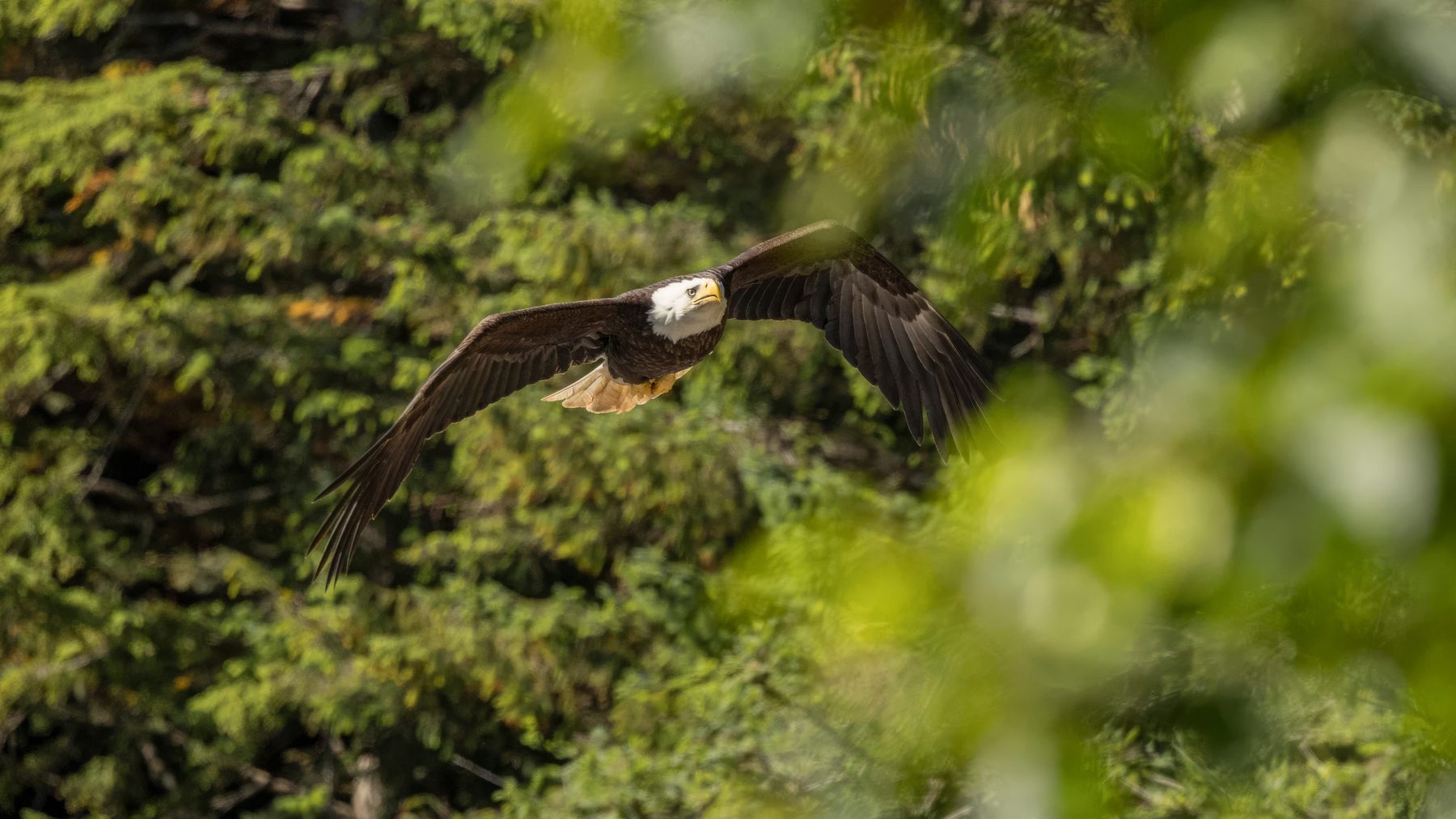
Taken as a whole, the 2028/29 season tells a broader story than the 26 new itineraries alone suggest. On one side, HX continues to offer complex expeditions to Antarctica, South Georgia, Baffin Island and the Northwest Passage; on the other, it is introducing more compact formats in Alaska and Greenland, expanding the geographical definition of expedition travel into Scandinavia and even building a dedicated product around ocean crossings. The growth of expedition cruising will not depend solely on finding new remote places to reach. Increasingly, it will also depend on creating different ways to explore destinations travelers already know, adjusting duration, gateways, seasonality and pace without losing the adaptability, depth and connection to place that should continue to distinguish an expedition from a traditional cruise. That is perhaps the most interesting way to read HX’s 2028/29 season: not necessarily making the world more remote, but multiplying the ways in which it can be explored.
Gabriele Bassi