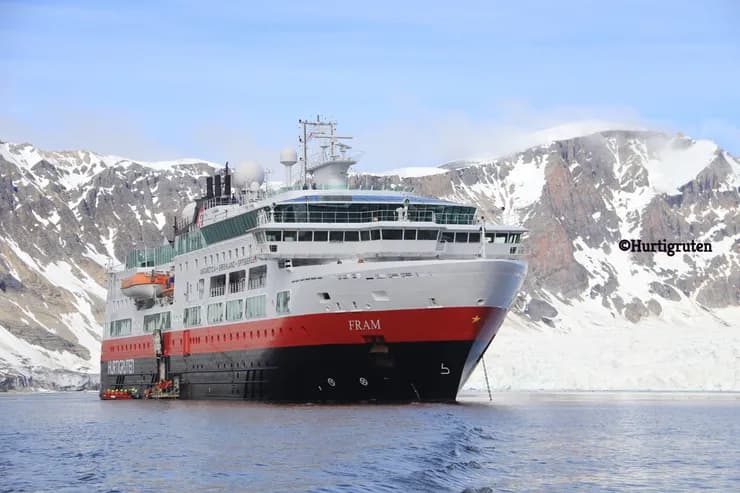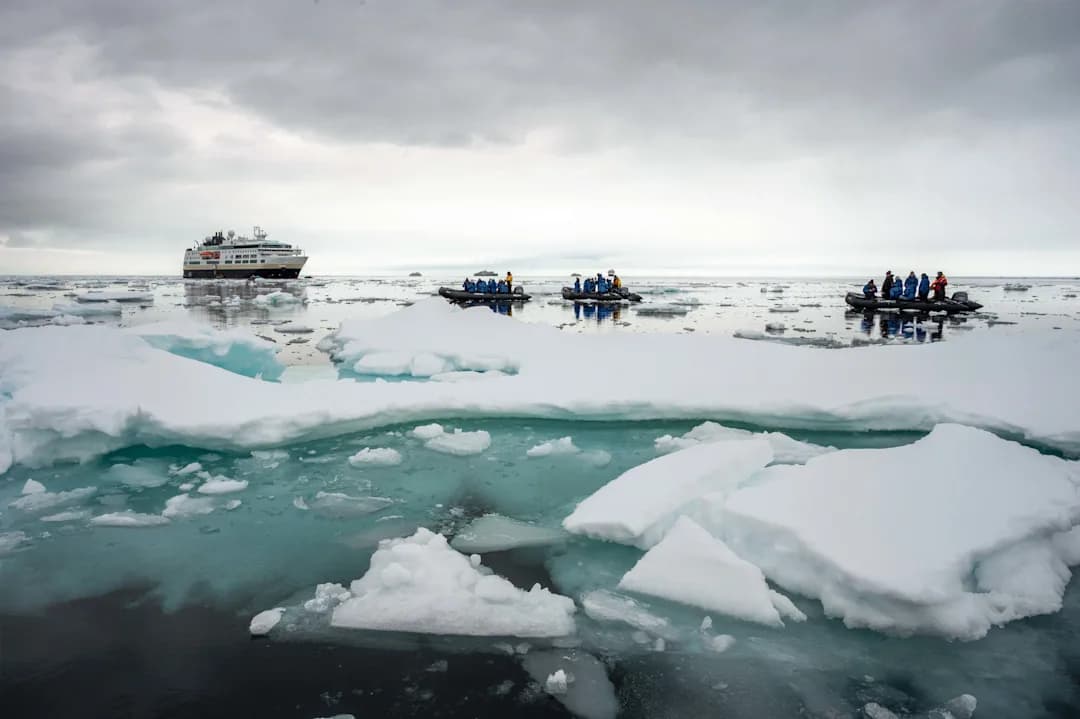
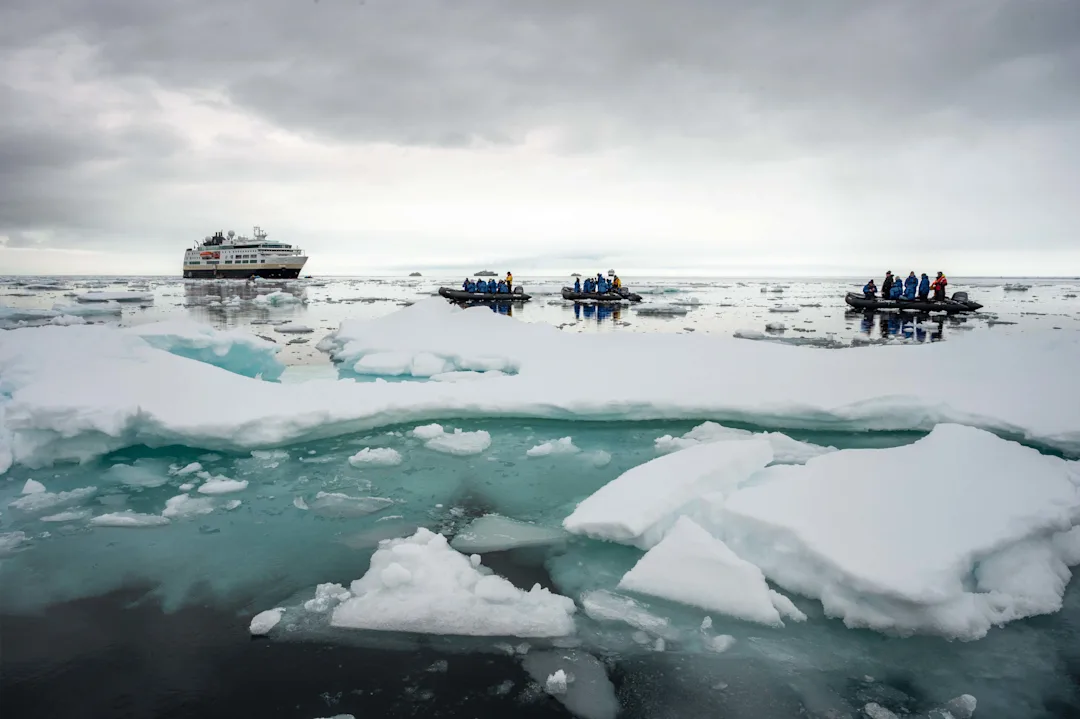
HX Expeditions has concluded its 2026 Arctic season with a programme that combined exploration, scientific research, new technology and a growing emphasis on guest participation. Across 31 Arctic sailings, the company welcomed thousands of travellers to some of the most remote areas of the region, recording 26,491 citizen science contributions across nine research programmes and organising 363 dedicated science boat sessions.
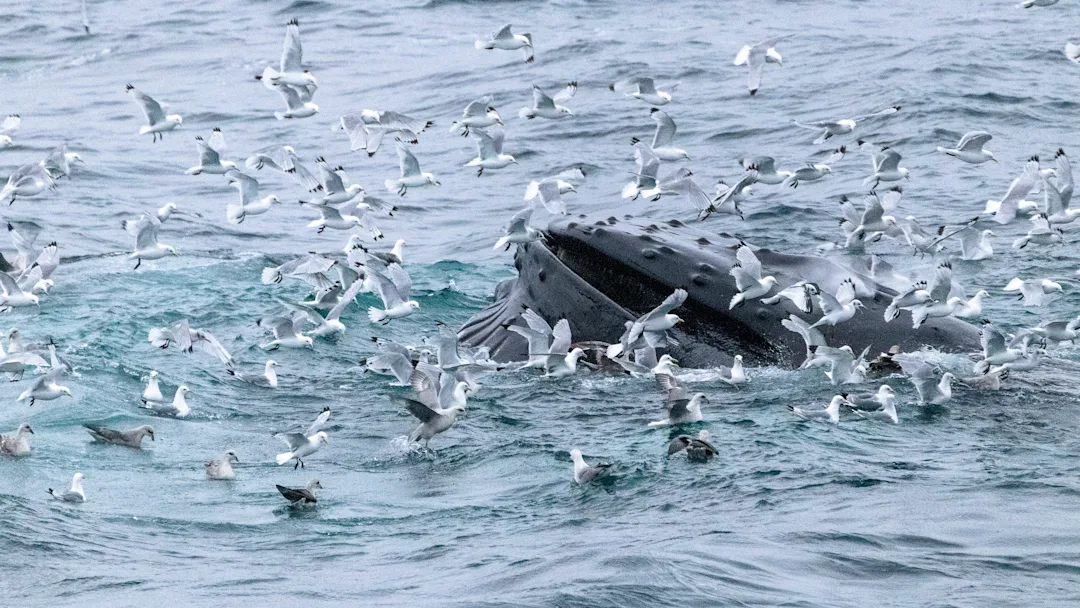
The season carried particular significance as HX celebrates its 130th anniversary in 2026, recalling the company’s first Svalbard voyage in 1896, when guests travelled alongside scientists and biologists interested in understanding the Arctic environment. That same connection between exploration and research remains central to the company’s approach today, although on a much larger scale, with guests involved in recording wildlife, ocean clarity, cloud cover and aurora activity throughout their voyages. Of the total submissions collected during the season, 23,518 were made through iNaturalist, alongside 1,286 ORCA records, 1,183 eBird submissions, 203 NASA GLOBE Cloud Observer reports, 181 Secchi Disk readings, 73 Happywhale contributions, 38 harmful algal bloom observations, eight Aurorasaurus reports and one Marine Debris Tracker entry. HX also reported that guests and staff collected 308.44 kilograms of waste during beach clean-ups, further reinforcing the environmental dimension that increasingly forms part of the expedition experience.
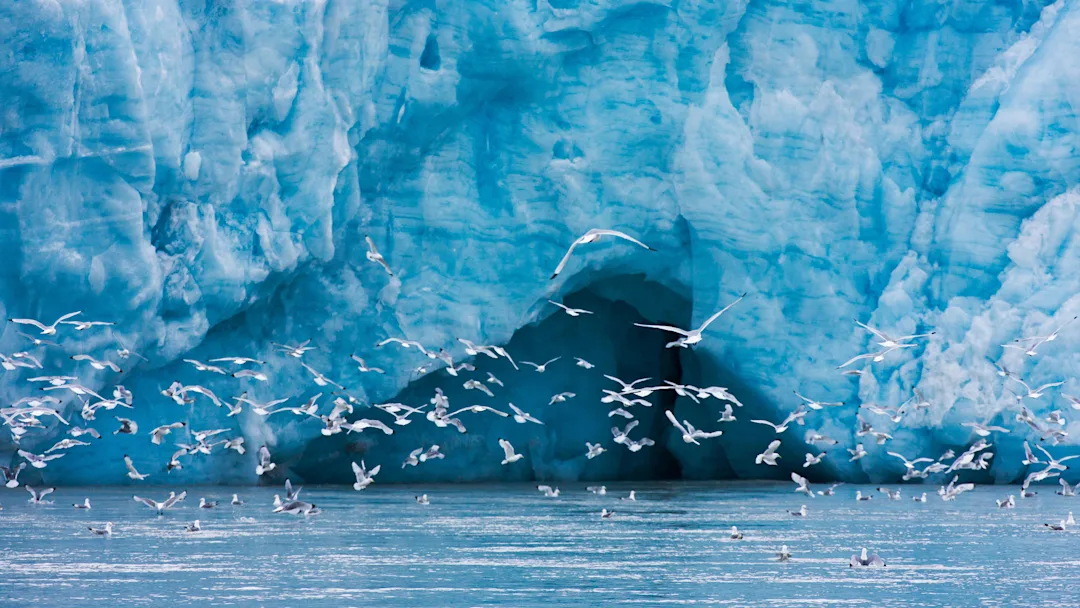
One of the most interesting developments of the season was the AI WAVE, or Whales and Arctic Vessels, project, created in collaboration with Heriot-Watt University and marine monitoring specialist Seiche. A Smart Visual Detection System was installed aboard MS Fram in what HX describes as the first Arctic trial of its kind using thermal imaging and artificial intelligence for real-time whale detection. The experiment began during the ship’s voyage from Dover to Svalbard and continued throughout the Arctic summer, collecting data around the archipelago through a combination of thermal cameras, high-definition imagery, machine learning and continuous monitoring. The technology is designed to identify whale blows and surface activity, while the data gathered during the season will be used to improve future AI-assisted species recognition and automated alert systems. The objective is to provide bridge teams with earlier warning of whales in surrounding waters, with the potential to reduce disturbance and collision risk for species such as narwhals, belugas and bowhead whales. Beyond the immediate experiment aboard MS Fram, the project also offers an example of how artificial intelligence may become increasingly relevant in navigation, environmental monitoring and marine mammal protection across the wider maritime sector.
HX has also expanded the educational side of its Arctic product with a new free Svalbard course developed with the University of Tasmania, designed to introduce guests to the archipelago’s wildlife, ecosystems, history and principles of responsible exploration before departure. The programme follows similar initiatives dedicated to Alaska and Antarctica, while additional courses focusing on Arctic Canada, Greenland, Iceland and the Northwest Passage are planned for 2027. This reflects a broader change within expedition cruising, where the experience increasingly begins before embarkation and extends beyond traditional onboard lectures or shore landings, creating a stronger connection between destination, scientific interpretation and passenger participation. At the same time, HX reported its highest-ever level of suite bookings during the Arctic season, suggesting that demand for premium accommodation continues to grow even within a segment historically defined more by destination and exploration than by luxury. The company also recorded an average Tripadvisor rating of 4.7 out of 5 across 167 reviews, reinforcing the idea that expedition travellers are increasingly combining expectations of adventure, education and environmental awareness with higher standards of comfort and onboard experience.
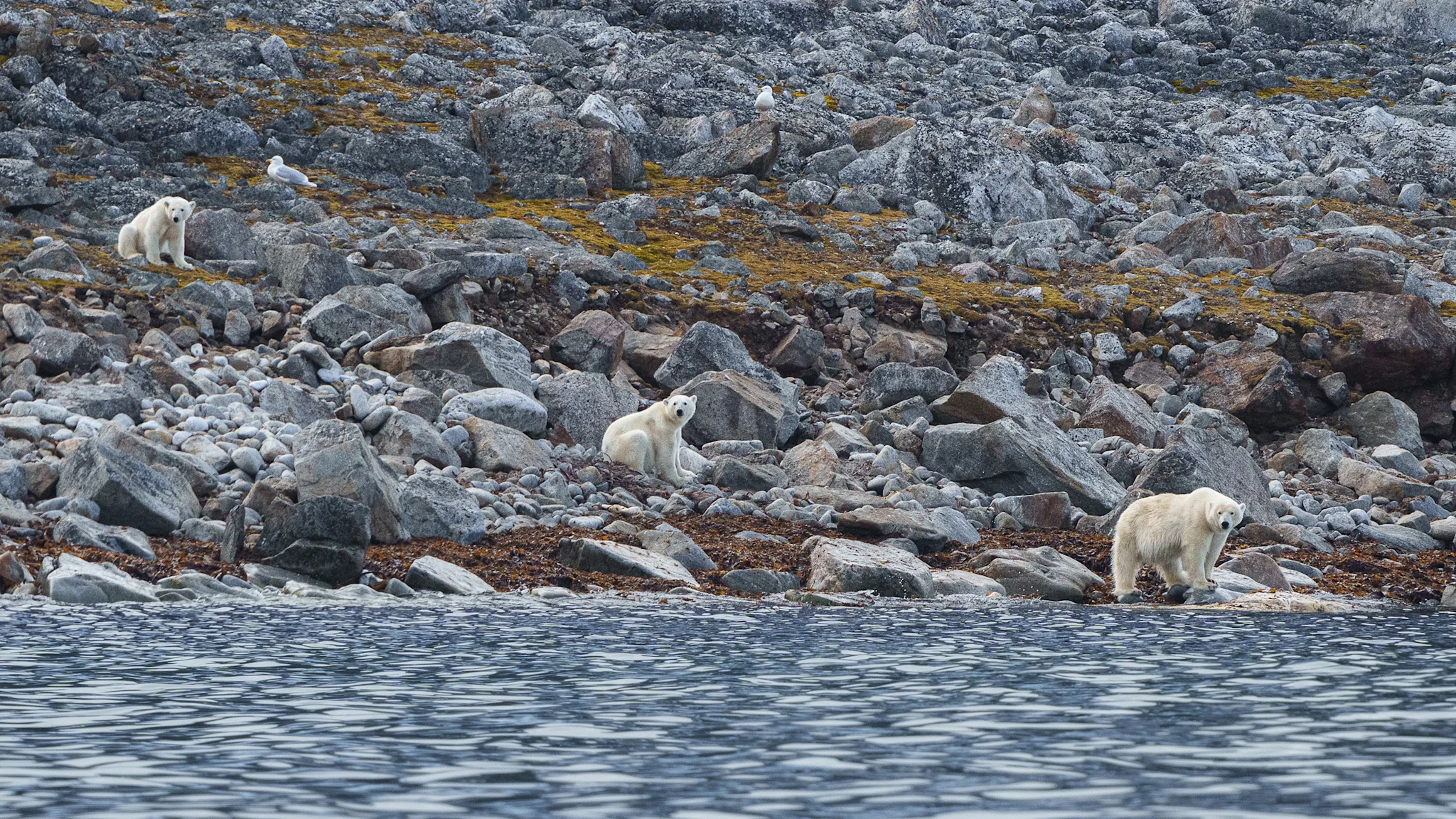
Alongside its Arctic season results, HX confirmed that its Greenland Promise will be extended through the end of the 2028 season, adding another year to the protection already available for 2026 and 2027 departures. The programme was introduced to give guests and travel partners greater flexibility when planning Greenland expeditions, particularly in situations where HX cancels a qualifying sailing or a guest’s government advises against travel. In those circumstances, travellers can transfer to another HX expedition and receive an additional 20% Future Cruise Credit or choose a full refund, with terms and conditions applying. For a destination such as Greenland, where expedition voyages are often booked well in advance and represent a significant investment, this kind of flexibility is becoming an increasingly relevant part of the overall product. “Science is one of the most powerful ways to turn an Arctic journey into something that matters long after guests return home,” said Dr Verena Meraldi, HX Chief Scientist, highlighting both the 26,491 citizen science submissions and the AI whale-detection project as examples of how research organisations, technology partners, operators and guests can work together.
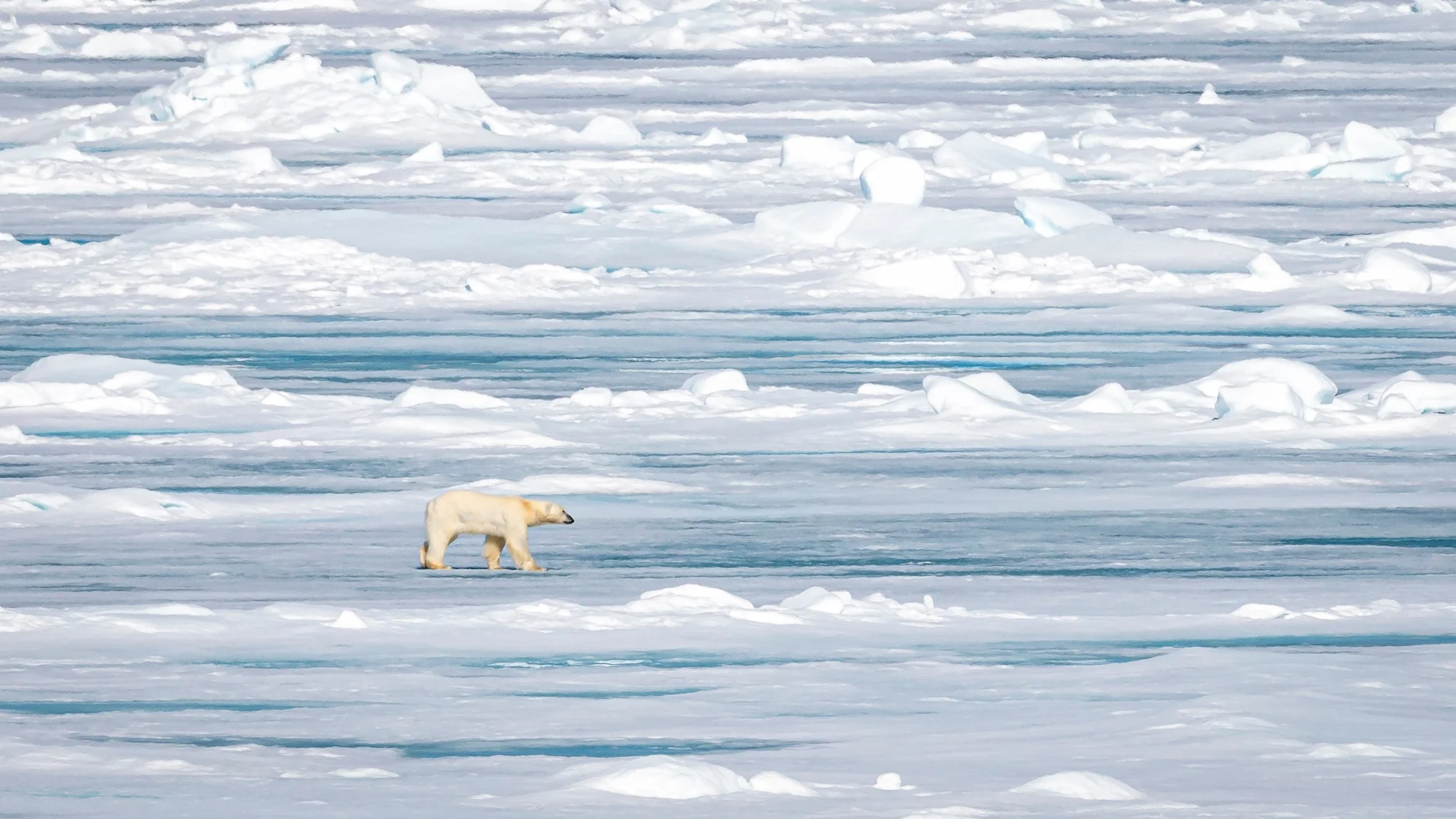
The 2026 season therefore shows a clear direction for HX, with science, education, technology and premium travel becoming progressively more integrated within the expedition model, creating an experience that aims not only to bring travellers into remote environments but also to involve them more directly in understanding the places they visit.
Gabriele Bassi