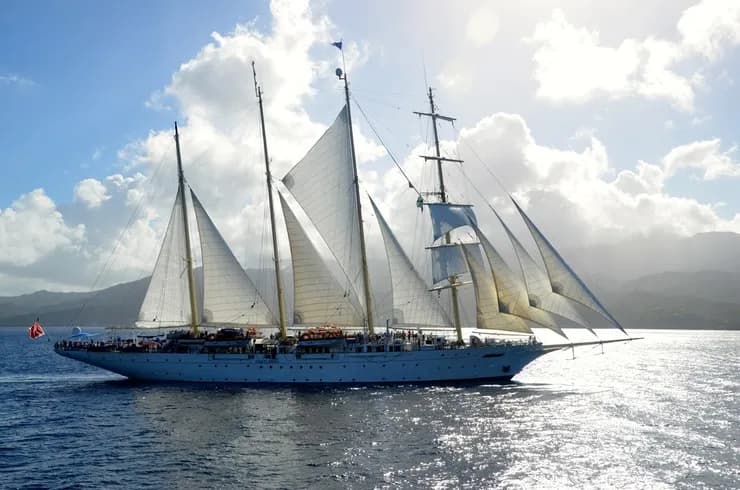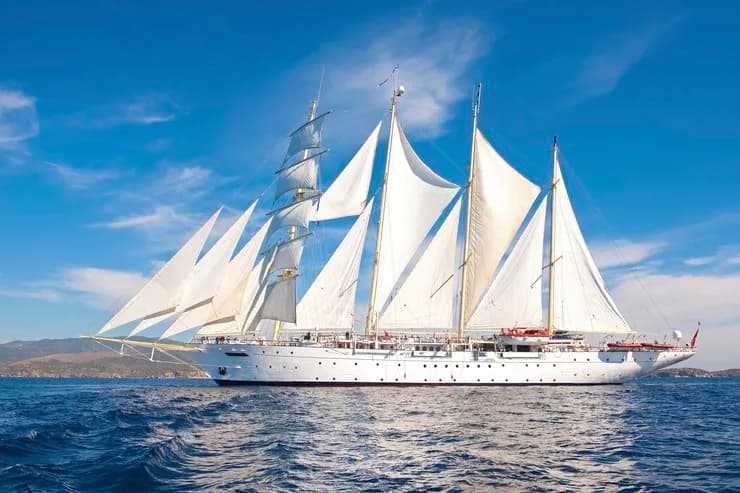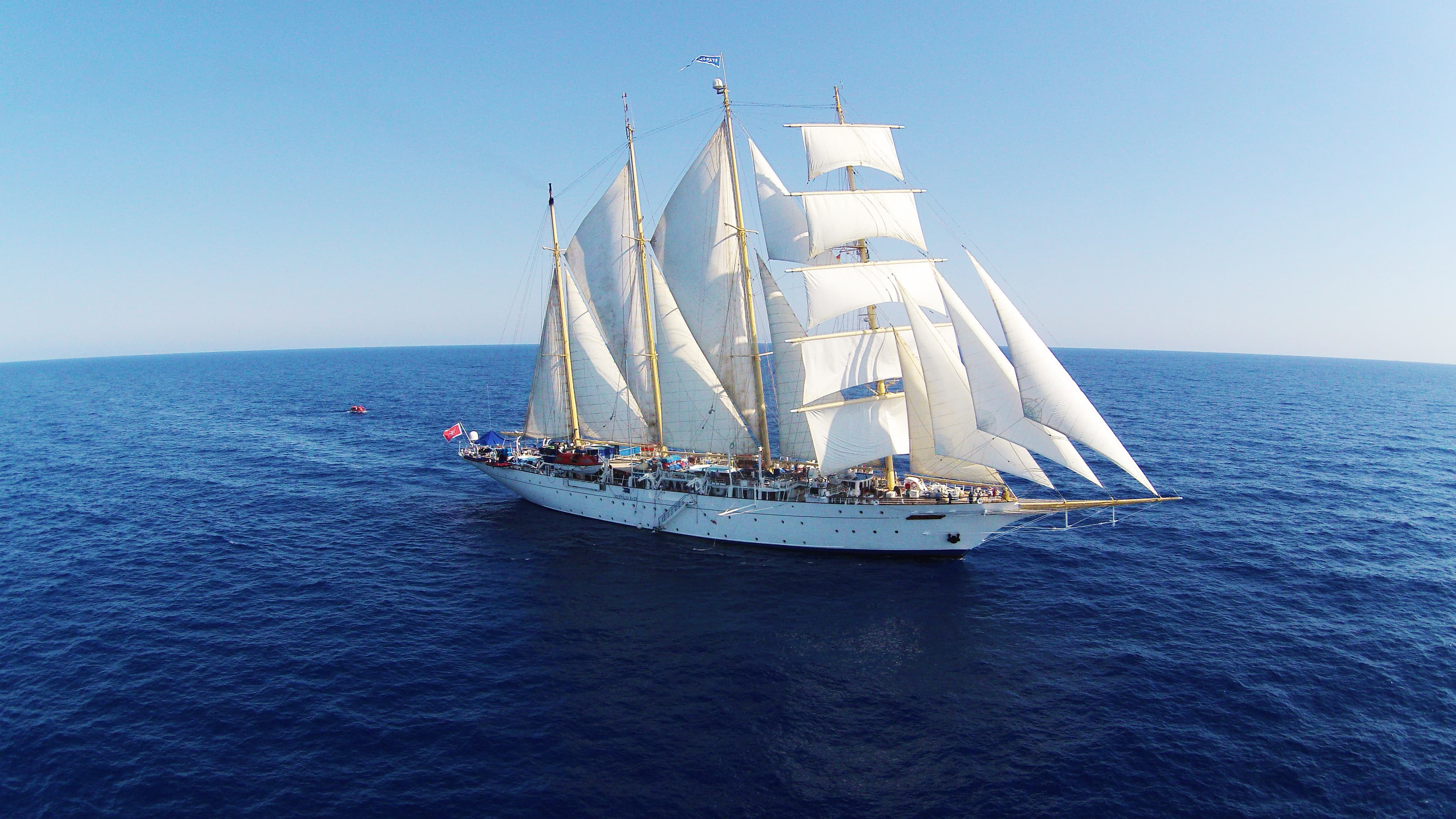
There are faster ways to cross the Atlantic, but few preserve the sense of distance, silence and anticipation that once defined ocean travel. In 2027, Star Clippers will once again place that experience at the centre of its program, offering a series of transatlantic crossings aboard its tall ships and inviting guests to experience the ocean not simply as the space between two destinations, but as the destination itself.
For Star Clippers, ocean crossings have always been among the voyages that most clearly express the character of the brand. Long stretches under sail, days shaped by wind and weather, and an absence of the constant port calls that define many conventional cruise itineraries create a very different rhythm on board. Rather than moving from one sightseeing schedule to the next, guests have time to settle into life at sea and engage more closely with the ship itself.
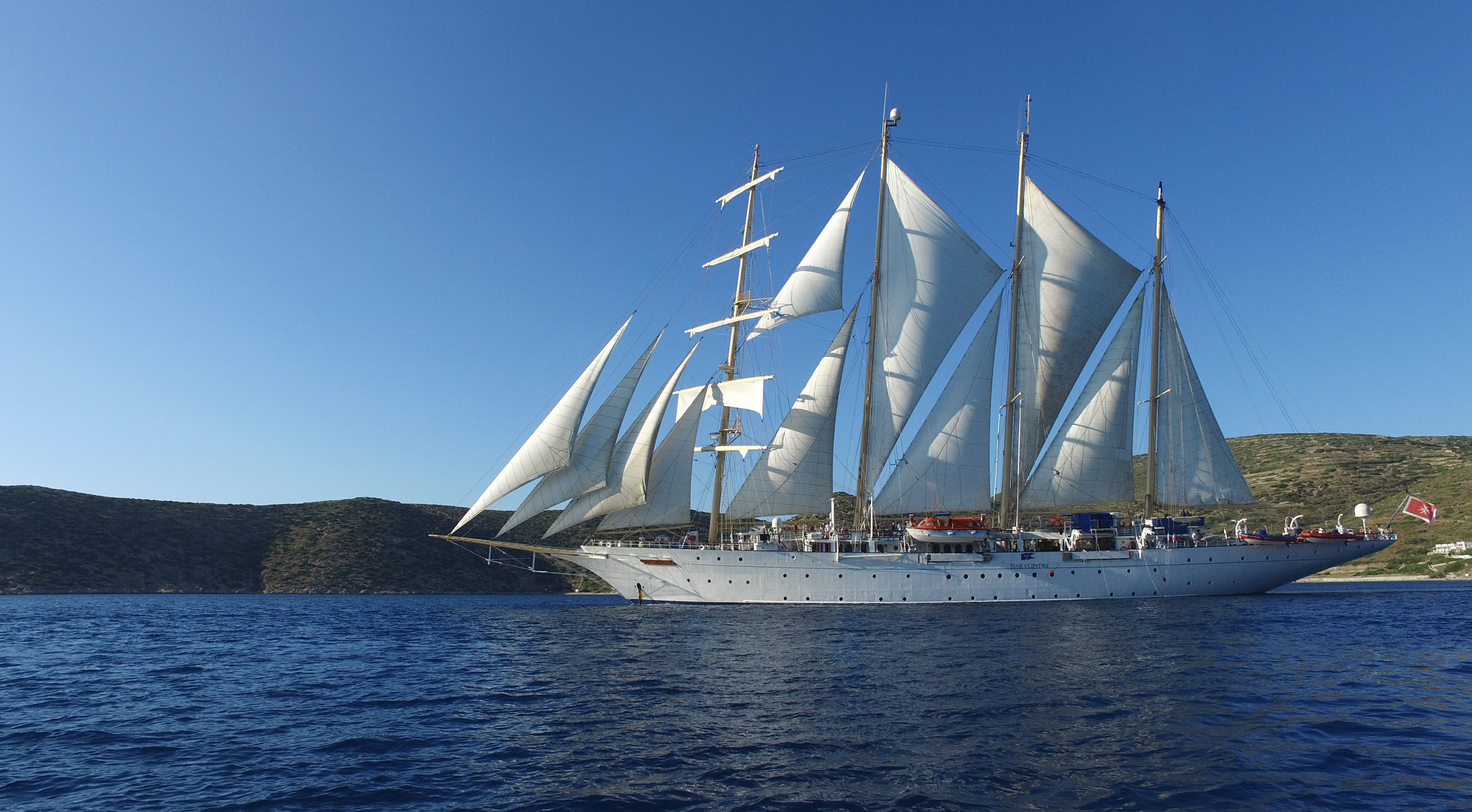
That can mean watching the crew handle the sails, learning more about navigation and seamanship, climbing the rigging, relaxing in the bowsprit netting or simply finding a quiet place on deck with nothing but sea and sky on the horizon. The teak decks, open-air spaces and relatively small passenger numbers reinforce an atmosphere that feels considerably more informal and intimate than that of a large cruise ship. Star Clipper and Star Flyer each accommodate a maximum of 166 guests, a scale that allows the vessels to retain much of the atmosphere traditionally associated with sailing yachts while still offering the comforts expected on a modern cruise. Days can unfold slowly over breakfast, with time for reading, conversation at the Tropical Bar, relaxed meals and long hours outdoors, while evenings are shaped by the relative darkness and quiet of the open ocean.
Terri Haas, vice president of Sales & Marketing for Star Clippers, describes the transatlantic voyage as one of the purest expressions of the tall-ship experience. The appeal, she notes, comes from the combination of a genuine sense of adventure with the comfort and informality of contemporary yacht-style travel. Above all, the crossings offer something increasingly difficult to find in modern travel: uninterrupted time.
Star Clippers' 2027 Atlantic program includes four crossings, ranging from 15 to 24 nights and divided between one eastbound spring departure and three westbound autumn sailings. The season begins on April 3, when Star Clipper departs St. John's, Antigua, for a 20-night voyage to Malaga. After an extended period at sea, the ship reaches Ponta Delgada in the Azores, introducing a first landfall after nearly two weeks of Atlantic sailing. The stop provides an opportunity to explore the historic centre, volcanic landscapes and crater lakes of São Miguel before the ship continues east toward the Iberian Peninsula.
In autumn, Star Clipper reverses direction. On October 27, the ship departs Malaga for a 24-night westbound voyage to St. John's, Antigua. Before committing fully to the Atlantic passage, the itinerary includes a series of calls in Spain, Morocco and the Canary Islands, including Ceuta, Cádiz, Tangier, Casablanca and ports in the Canaries. That opening section gives the voyage a gradual transition from coastal exploration to true ocean passage. Guests can explore the historic centre of Cádiz, the medina and markets of Tangier, the cultural contrasts of Casablanca and the volcanic scenery of the Canary Islands before the ship finally turns west and the coastline disappears behind it. A shorter version of the westbound crossing begins in Las Palmas on November 5. From Gran Canaria, Star Clipper sails first to San Sebastián on La Gomera, an island closely linked to the early Atlantic voyages of Christopher Columbus and known today for its dramatic valleys, mountainous interior and ancient laurel forests. From there, the itinerary becomes a true ocean crossing, with an extended uninterrupted stretch at sea before arrival in Antigua. Star Flyer will also make a westbound Atlantic crossing in November. Departing Las Palmas on November 12, the ship sails for St. Maarten on a 15-night itinerary that likewise includes a call at San Sebastián, La Gomera, before heading west across the Atlantic.
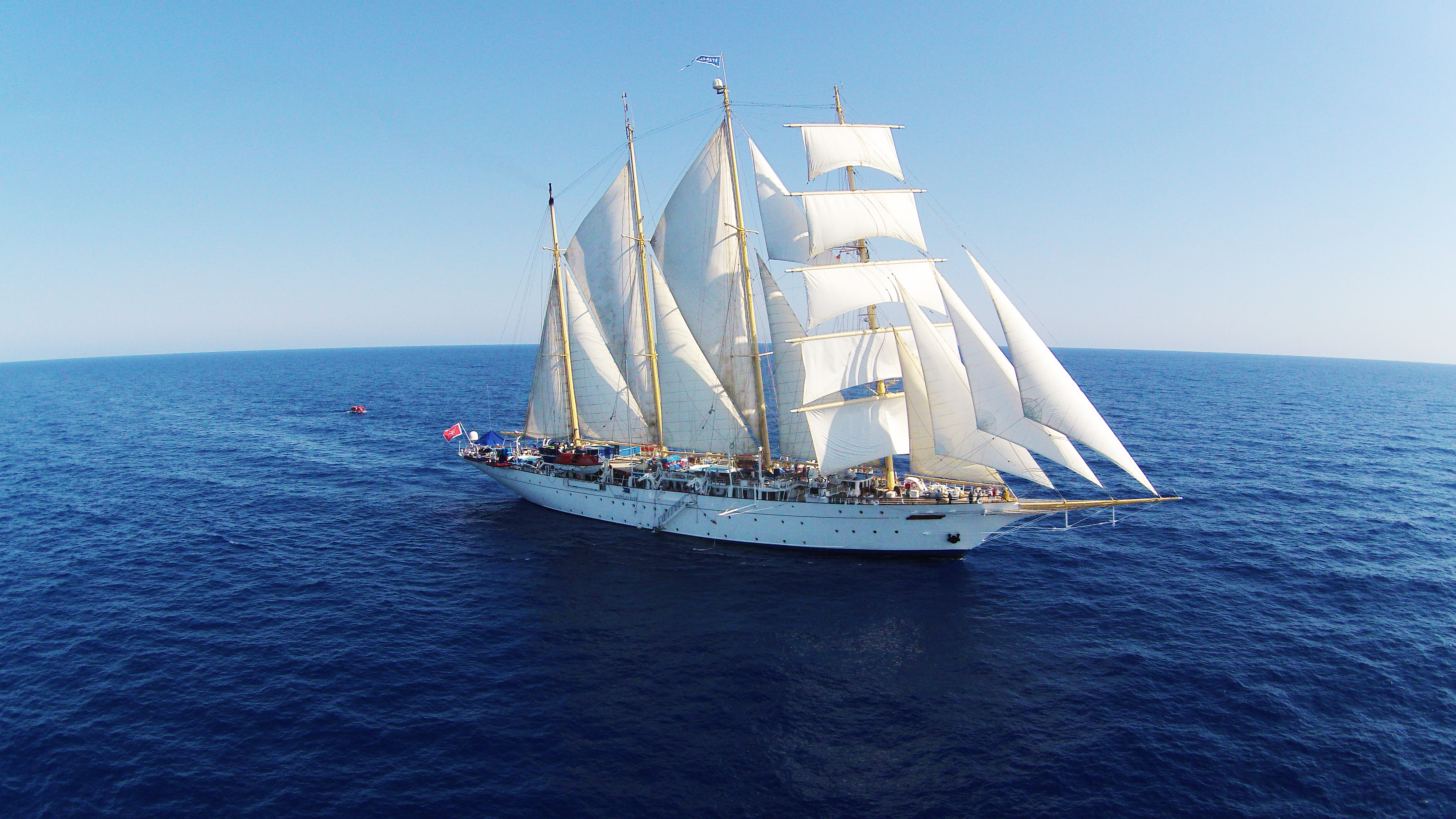
Although the four voyages differ in length and routing, the essential appeal remains the same. Unlike itineraries built around a dense sequence of destinations, these crossings deliberately leave space in the schedule. The ocean becomes a constant presence, while the ship's sailing heritage moves from background detail to the centre of the experience.
That distinction is especially important aboard Star Clippers' vessels. The sight of sails filling with wind, the activity of the crew on deck and the changing conditions of the Atlantic become part of the daily routine. Guests are not simply passengers moving between continents; they are observers of a form of navigation that still depends visibly on the elements.
The crossings also offer a rare sense of continuity. Without the interruption of daily embarkations, excursions and port transfers, days begin to blend into a slower pattern determined by meals, weather, conversation and the movement of the ship. For some travellers, that is precisely the attraction: the opportunity to disconnect from the pace of everyday life and rediscover the simple experience of being at sea.
In an industry increasingly focused on larger ships, more onboard attractions and ever more tightly packed itineraries, Star Clippers' Atlantic program moves in almost the opposite direction. Its appeal lies in space, time and simplicity — in the idea that crossing an ocean can still be an experience in itself, rather than merely the fastest route from one side to the other.
Gabriele Bassi