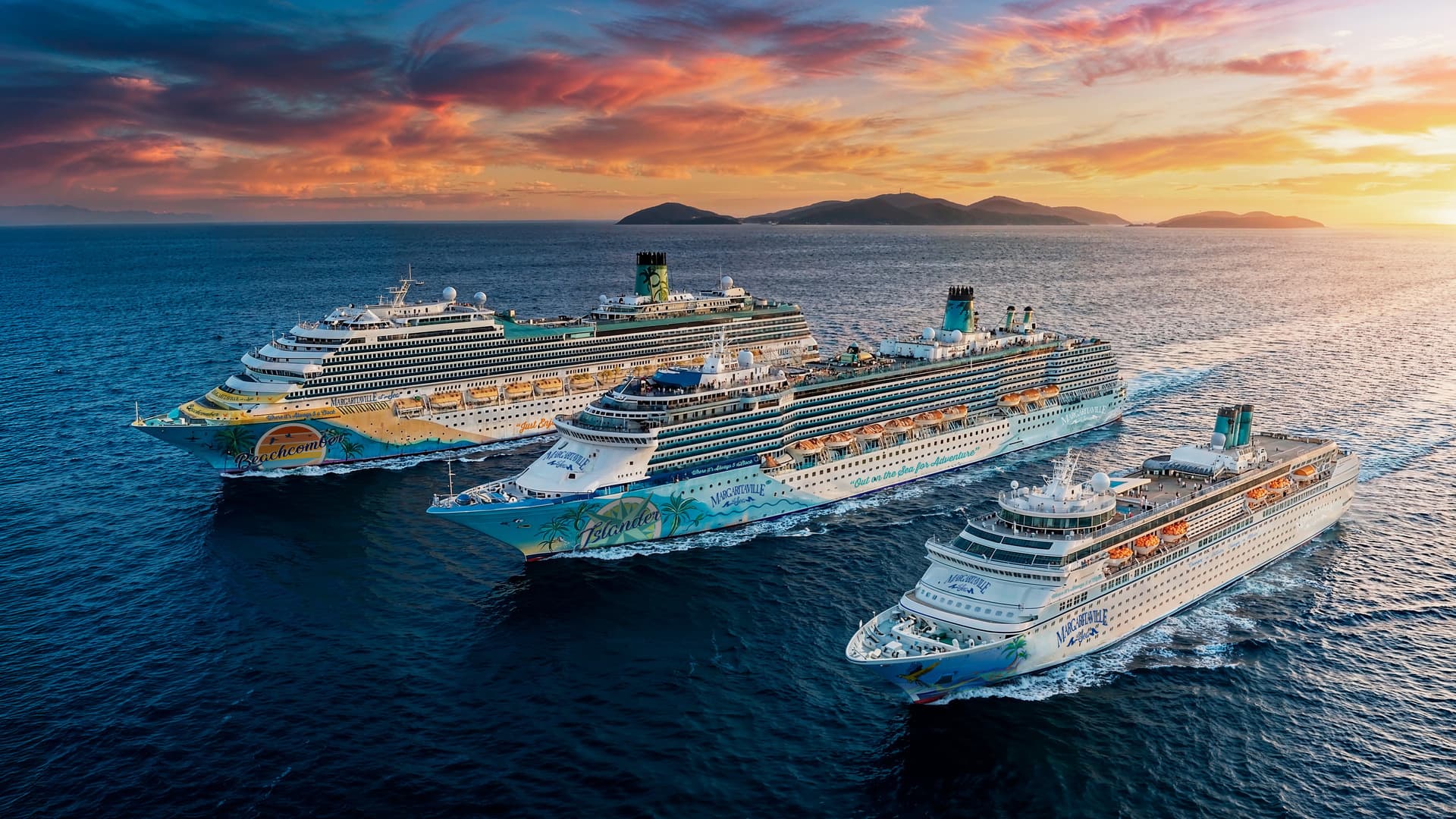
Margaritaville at Sea is widening its map for 2028, and the most interesting part of the new programme is not simply the number of itineraries, but the way the brand is beginning to move beyond the familiar short-cruise formula associated with its early years.
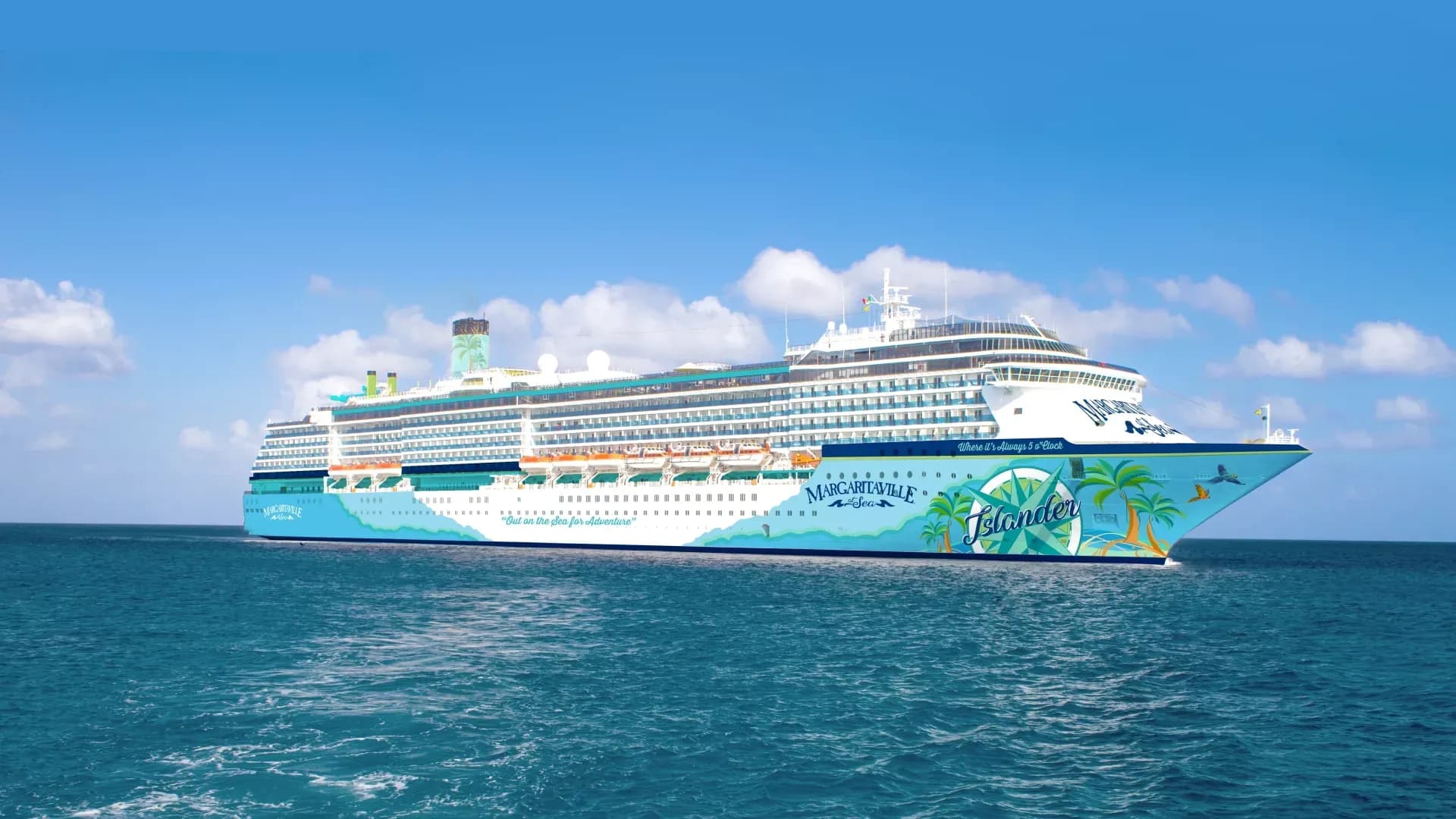
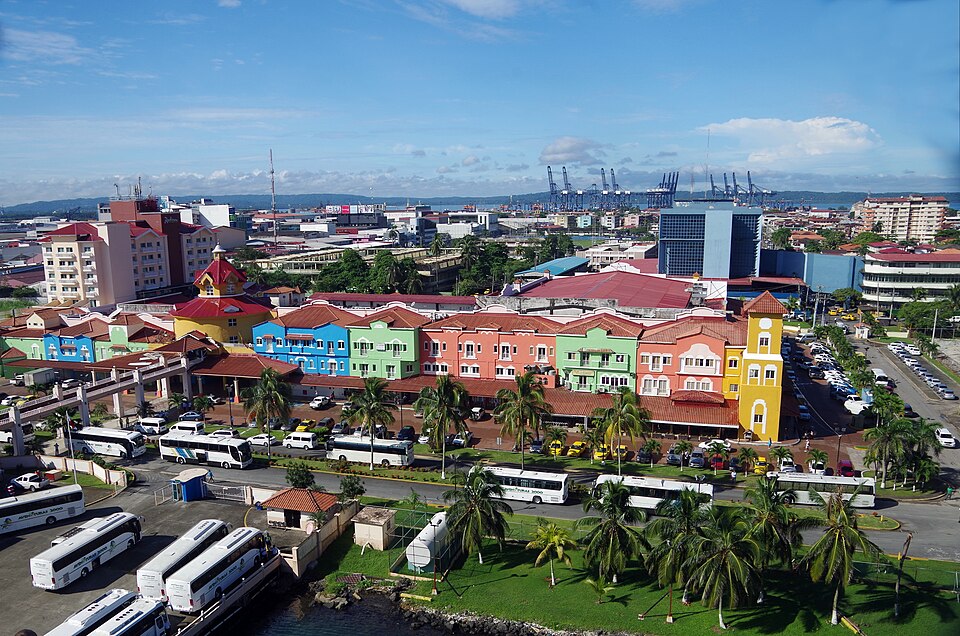
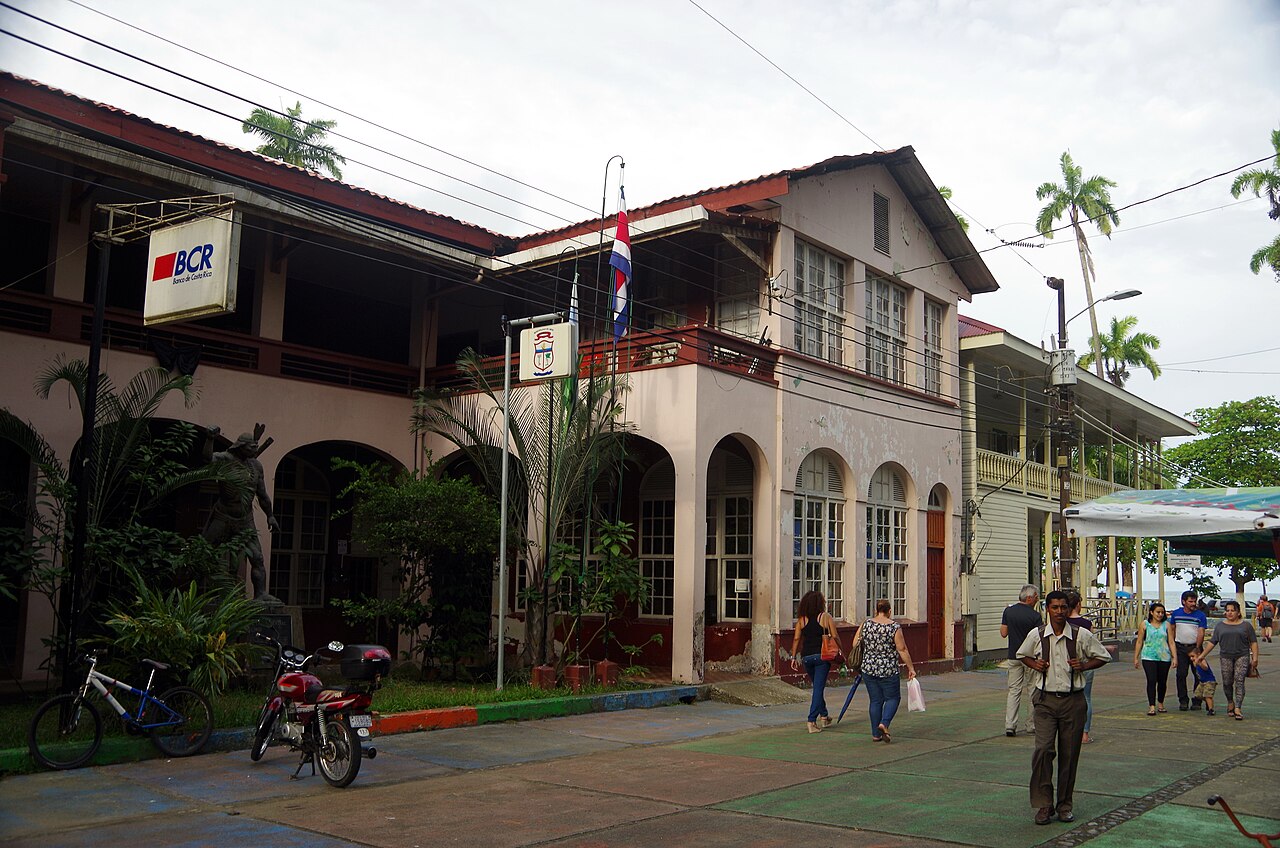
The cruise line has unveiled 30 itineraries visiting 25 destinations aboard Islander and Beachcomber, combining established Caribbean ports with longer voyages, themed departures and, for the first time, calls in Costa Rica and Panama. Islander, sailing from Tampa, will introduce eight-night itineraries visiting Limón and Colón alongside Grand Cayman, bringing Central America into the company’s network and giving the ship considerably more geographical range. Limón provides access to Costa Rica’s Caribbean coast, rainforest landscapes and wildlife, while Colón introduces a very different dimension through Panama, its tropical environment and, inevitably, the presence of the Panama Canal. The four sea days included in these voyages also underline something increasingly important for Margaritaville at Sea: the ships themselves are becoming destinations rather than simply relaxed transport between beaches.
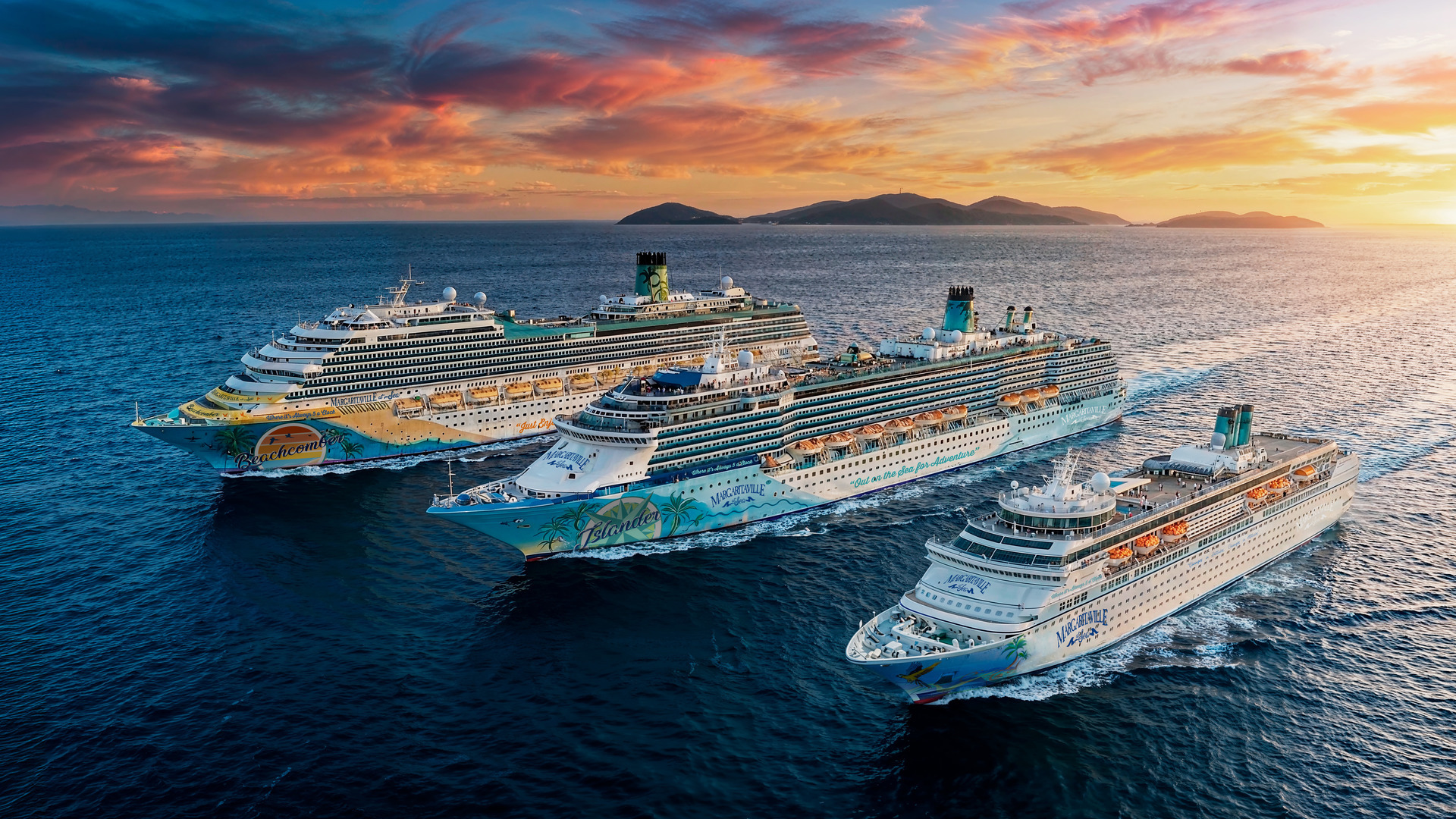
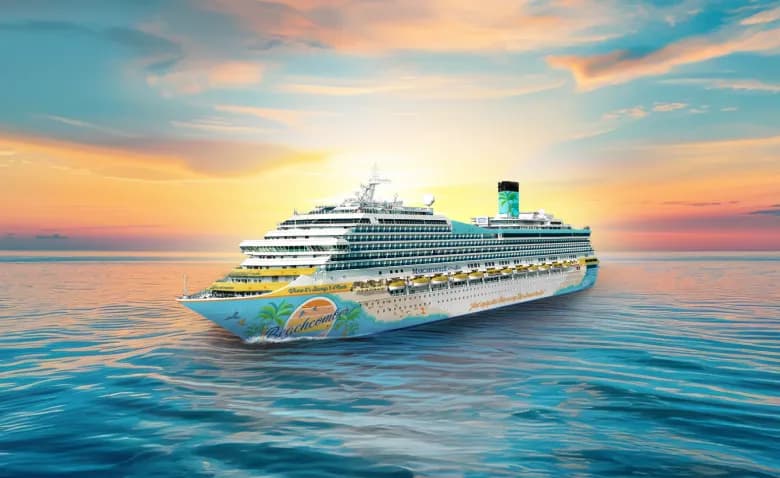
That wider reach continues elsewhere in the schedule, although the Caribbean remains firmly at the centre of the product. Key West, Cozumel, Grand Cayman, Belize, Roatán, Montego Bay, Ocho Rios, Bimini, Nassau and Progreso all return, while one of the more distinctive Tampa departures brings Aruba, Bonaire and Curaçao together in a single itinerary. It is an appealing combination for travellers who prefer a more destination-driven cruise, moving from Aruba’s beaches to Bonaire’s underwater landscapes and the unmistakably colourful waterfront of Willemstad. At the same time, Beachcomber will develop a different personality from Galveston, with new combinations including Cozumel, Progreso and Veracruz. Following its 2027 debut in Miami and subsequent move to Texas, the largest ship in the Margaritaville at Sea fleet will therefore play a central role in expanding the brand’s presence beyond Florida and in building a programme that increasingly mixes the Caribbean with Mexico and Latin America.
Where the 2028 schedule becomes particularly characteristic of Margaritaville, however, is in the specialty sailings. Islander will return to New Orleans for Mardi Gras with an overnight stay, allowing the voyage to become part of the celebration rather than treating the city as a conventional daytime port call. Halloween takes a similar direction with the return of Sail the Haunted Seas, this time combining an overnight in New Orleans with Progreso during the Día de los Muertos period. The contrast between a ship built around an intentionally carefree tropical identity and destinations with such strong cultural personalities could make these among the most interesting departures in the programme. Other themed voyages include a five-night sailing to Key West and Bimini timed around International Parrothead Day, alongside departures linked to St. Patrick’s Day, Mother’s Day, Memorial Day, Father’s Day and the Fourth of July. Music will remain another obvious pillar of the brand, with additional artist-led sailings and onboard performances planned for 2028, although the company has yet to reveal the line-up.
The two-ship structure should also give the programme clearer definition. Beachcomber is being positioned as the larger and more entertainment-focused option, with more than 15 venues unique to the ship, including Same Boat, a live-music venue developed in collaboration with Zac Brown, as well as redesigned dining, accommodation and entertainment spaces. Islander, meanwhile, continues to lend itself naturally to longer voyages from Tampa, combining its 14-story atrium, LandShark Bar at Sea and existing entertainment offer with itineraries that now extend into the Southern Caribbean and Central America. Rather than simply adding ports to a schedule, Margaritaville at Sea appears to be using 2028 to give each ship a more recognisable role: one expanding the brand’s presence from Texas, the other stretching the possibilities of what can be reached from Tampa.
That distinction matters because Margaritaville at Sea is no longer operating in the narrow space it occupied when the concept first appeared. With more destinations, longer itineraries and ships increasingly designed around their own identities, the brand is gradually becoming a more conventional cruise line in terms of network and choice, while still trying to preserve the intentionally informal, music-heavy atmosphere that separates it from larger competitors. The challenge will be maintaining that personality as the operation grows. For 2028, at least, the programme suggests that expansion does not necessarily mean abandoning the original idea of an easygoing escape; instead, Margaritaville at Sea is testing how far that idea can travel.
Gabriele Bassi