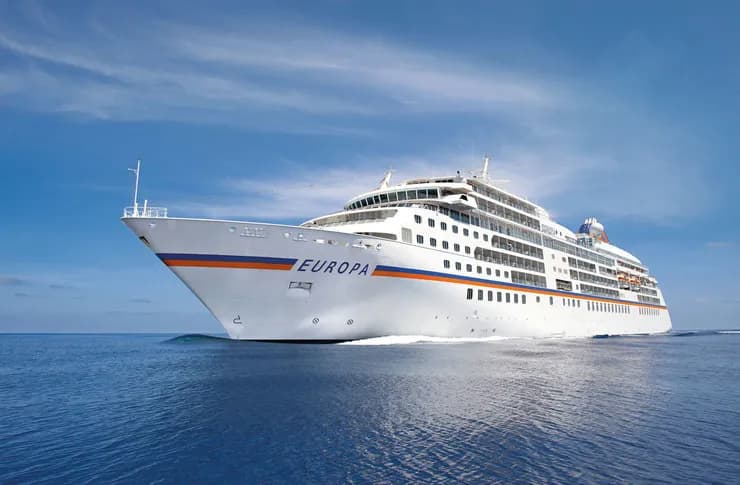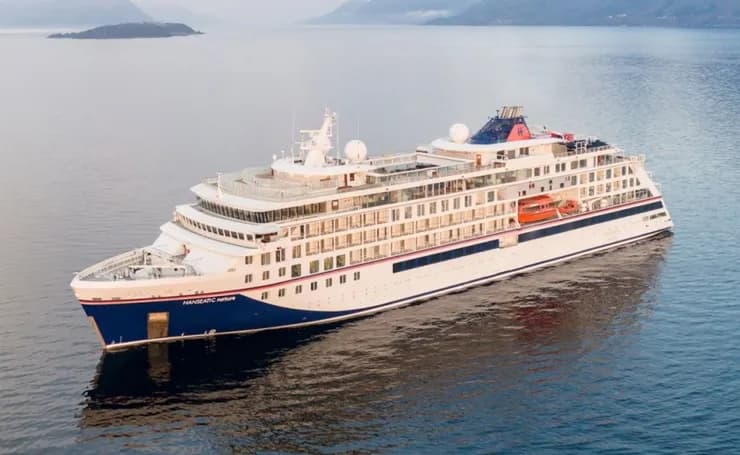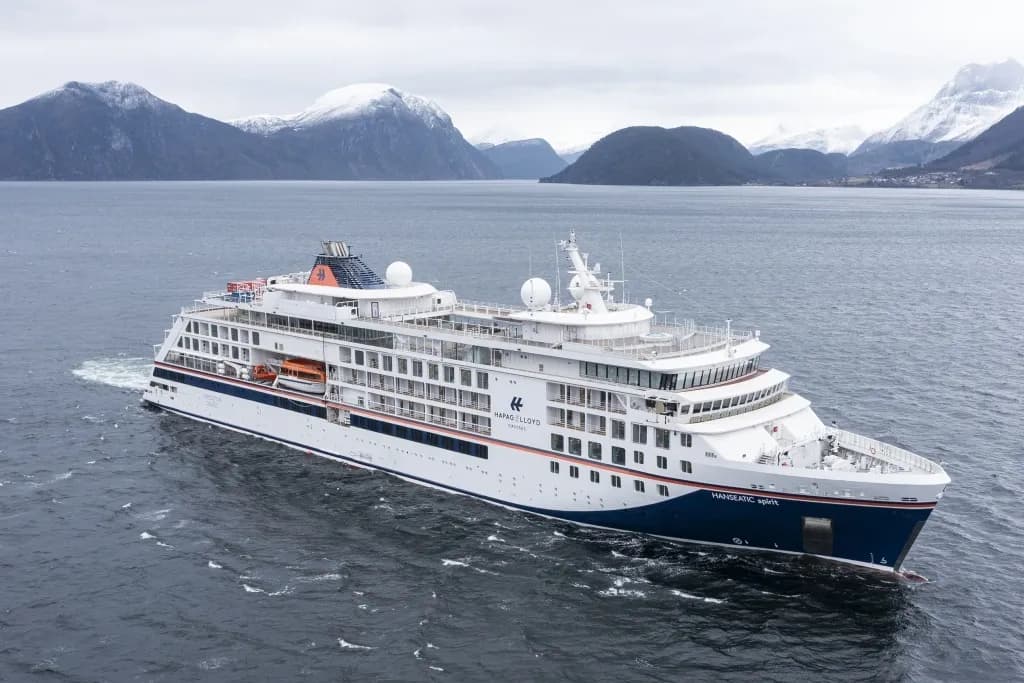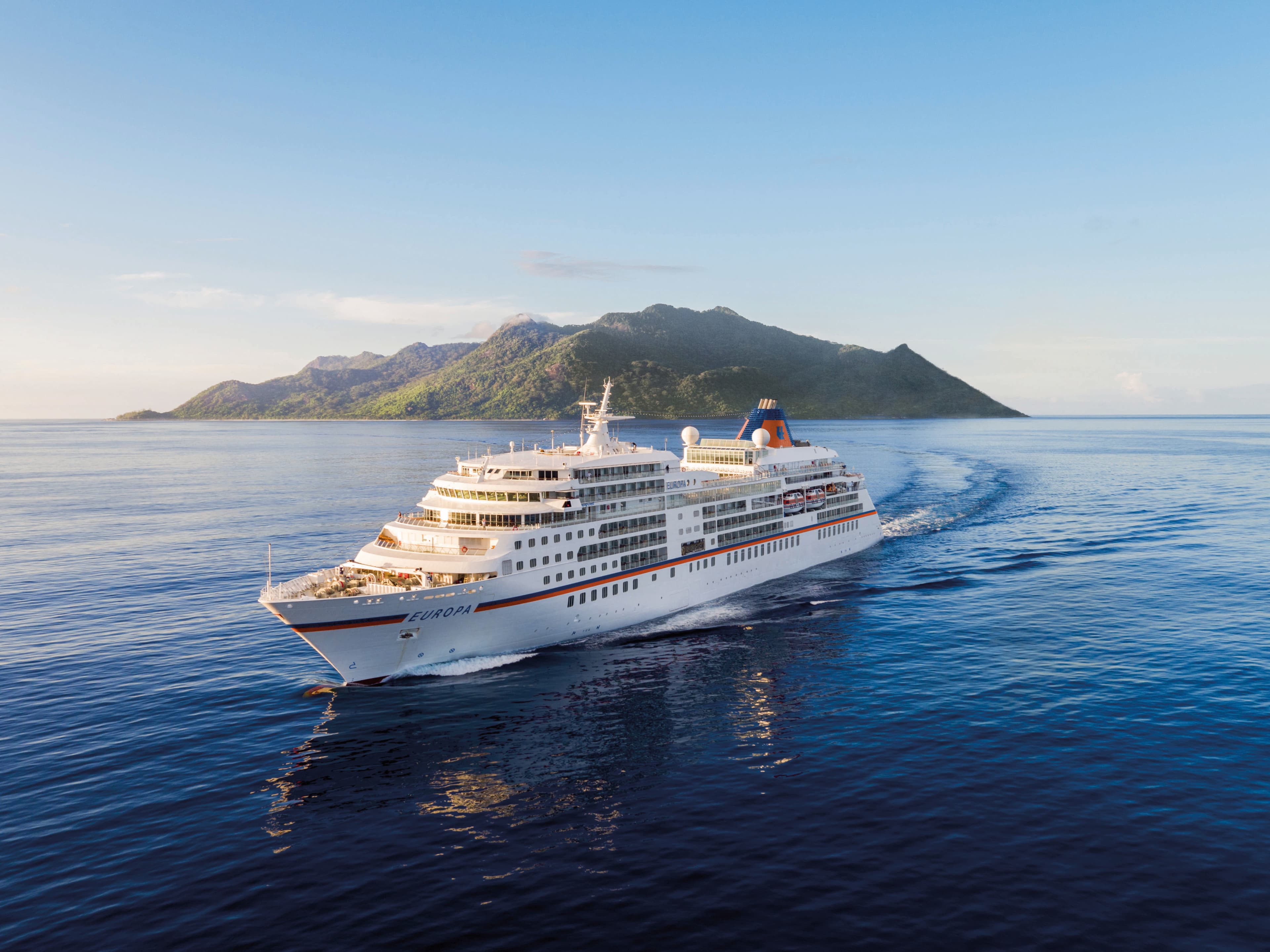
Hapag-Lloyd Cruises is looking well beyond the familiar for 2029. Across 129 new itineraries, the five-ship fleet will move from Hawaii, Oceania and the Far East to Patagonia, the Amazon, Greenland and Antarctica, mixing established favourites with destinations that are either returning after years away or appearing on the programme for the first time. The result is a season that feels deliberately broad in scope: luxury cruising where time ashore matters, expedition travel where ice and weather still have the final word, and plenty of places that are difficult to reach without a ship built for exactly that purpose.
For guests who prefer their exploration with generous space, refined dining and a slower rhythm, the season aboard EUROPA and EUROPA 2 ranges across some of the most varied regions on the map. Wellness and enrichment will remain part of the experience too, with established formats such as IN 2 BALANCE on EUROPA 2 and EUROPA WELL-BEING on EUROPA returning on selected departures. These voyages are designed to go beyond simple sightseeing, combining travel with themes around medicine, science, sport, nutrition and mindfulness, while onboard talks bring politics, history and contemporary issues into the conversation.
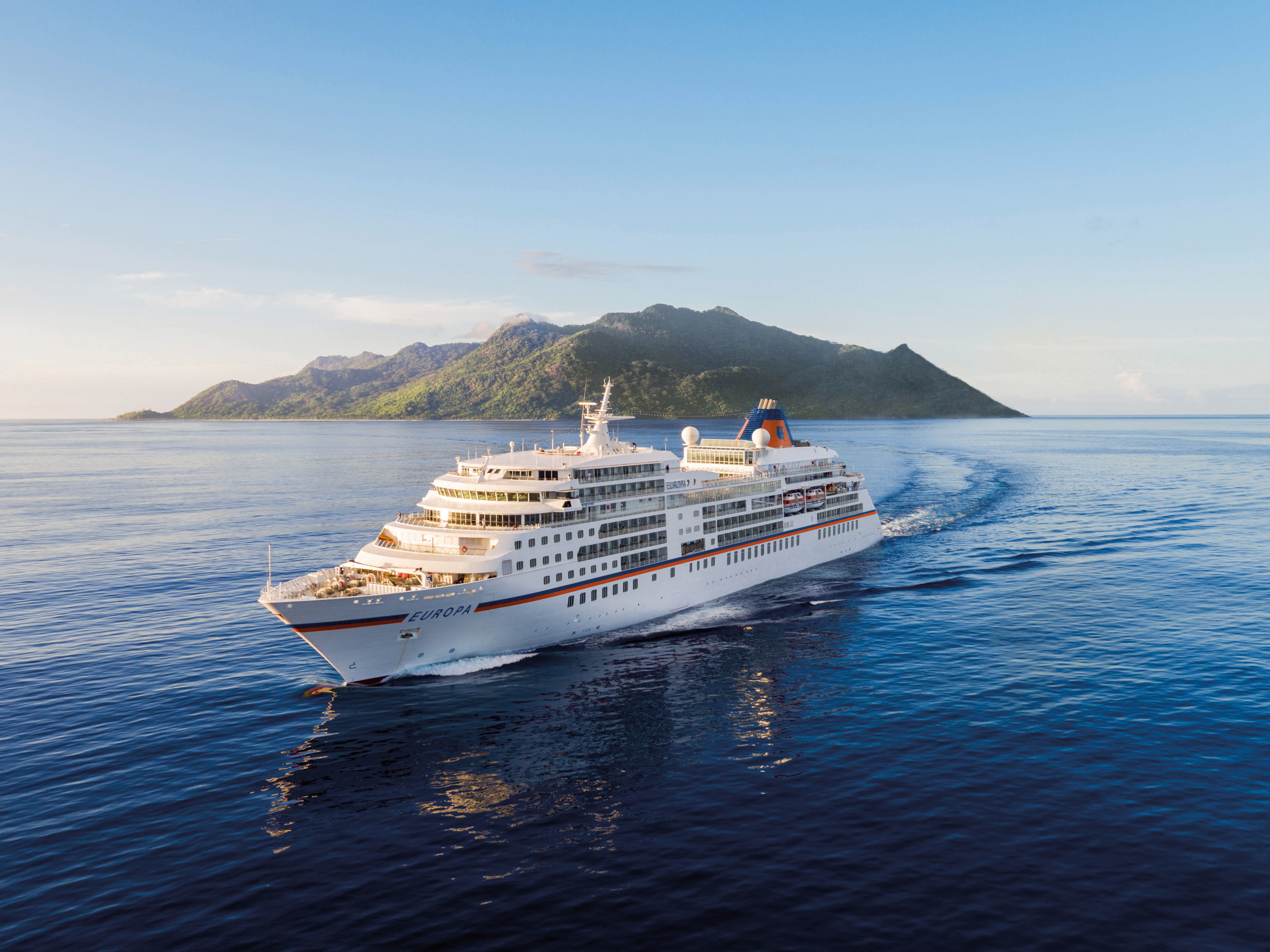
For EUROPA, one of the headline moments comes in January 2029, when the ship returns to Hawaii for the first time in nine years. The journey begins in Panama City and follows the Pacific coastline through Costa Rica and Mexico before reaching the islands of Oahu, Hawaiʻi, Maui and Kauai. From there, the ship continues north along the west coast of North America toward Canada. It is a route built around contrasts: tropical islands, national parks, Pacific beaches and ancient Maya heritage, all within a single extended journey.
February brings another shift in character as EUROPA travels through the United States, Mexico, Guatemala and Costa Rica before turning toward South America. Chile and Patagonia bring fjords, glaciers and some of the continent’s most dramatic wilderness, while Tierra del Fuego adds a raw, almost end-of-the-world atmosphere. Buenos Aires, Montevideo and Rio de Janeiro then provide a complete change of pace, replacing silence and open landscapes with architecture, nightlife, history and unmistakable urban energy. The voyage around the southern tip of South America also follows one of the great traditional maritime routes, giving the journey a sense of occasion beyond the itinerary itself. Later, the ship heads toward the Canary Islands on an 18-day voyage calling at five Brazilian ports as well as Santiago and São Vicente in Cape Verde. The Mediterranean follows, with accessible embarkation and disembarkation points including Lisbon, Civitavecchia, Piraeus, Dubrovnik and Palma de Mallorca. Two shorter cruises are also planned, offering a more compact way for first-time guests to discover EUROPA without committing immediately to a long-distance voyage.
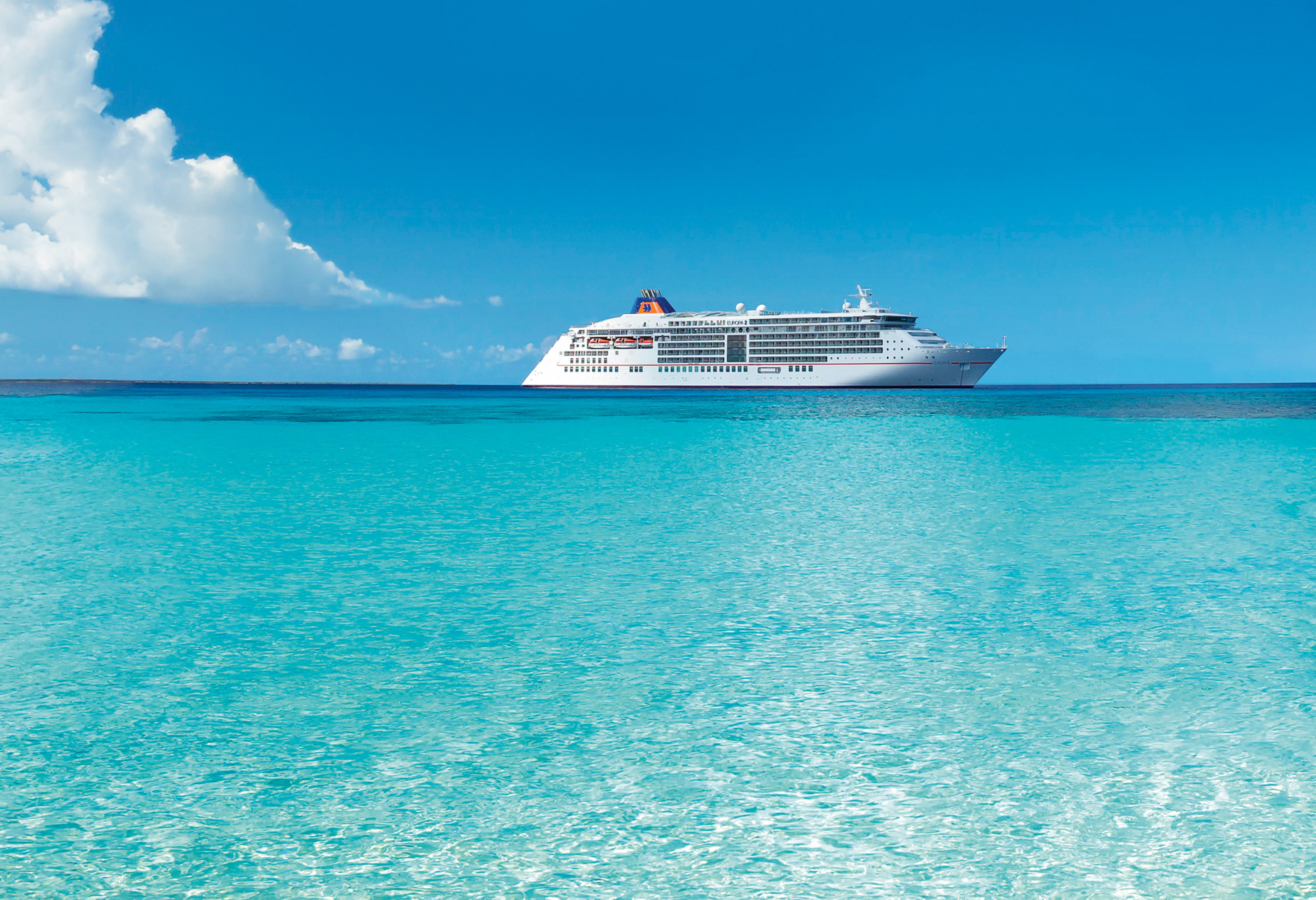
By winter, EUROPA turns south again, this time toward Africa. Namibia and South Africa give way to Madagascar, followed by Christmas and New Year under tropical skies in the Seychelles. Kenya and Tanzania bring the possibility of combining the cruise with some of Africa’s most celebrated national parks and wildlife reserves, before the season concludes in Mahé. It is perhaps one of the clearest examples of what long-form luxury cruising can still do exceptionally well: link regions that would otherwise require multiple flights, hotel changes and complex planning into one uninterrupted journey.
EUROPA 2 begins 2029 in a very different part of the world, sailing for 16 days from Singapore through Bali and the Indonesian archipelago to Australia. Southern and eastern Australia then take centre stage before the ship continues to New Zealand, moving from the fjords of the South Island to the geothermal landscapes of the North. Oceania itself is a notable return to the programme after several years away, making the early part of the season particularly interesting for guests who have already explored the Mediterranean and Caribbean and are looking for something further afield. In March, the focus moves deeper into the South Pacific, with Fiji, Vanuatu and New Caledonia offering a mix of traditional island cultures, volcanic landscapes and coral reefs. April then brings an itinerary from Ho Chi Minh City to Yokohama, followed by journeys linking Shanghai and Hong Kong with Southeast Asian islands and Japan. From there, the route swings toward Sri Lanka, the Maldives, Seychelles, Zanzibar and Madagascar — a sequence of destinations that reads almost like a greatest-hits collection of the Indian Ocean.
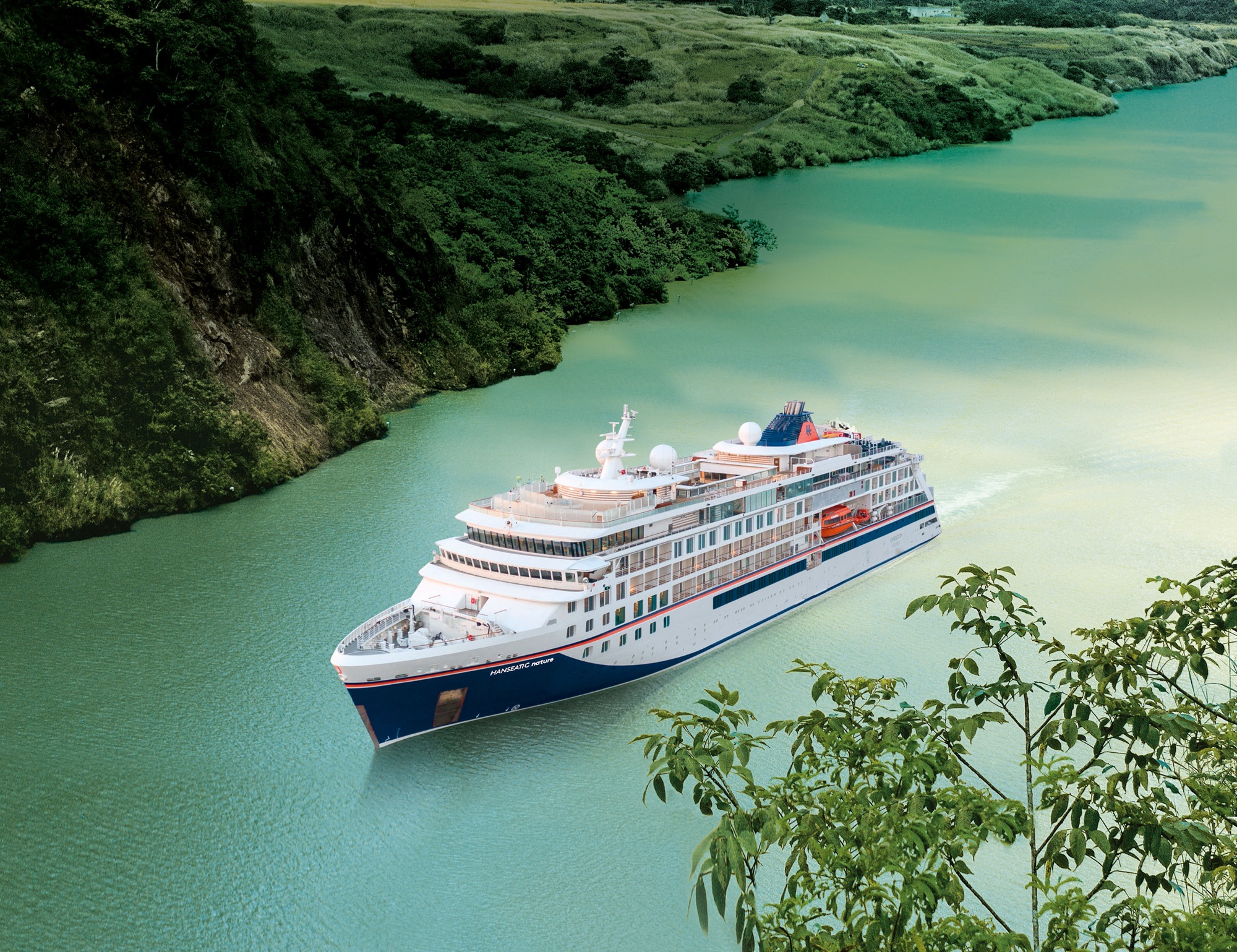
After a European summer, EUROPA 2 will make its first autumn visit to eastern Canada. Prince Edward Island, Gaspé, Saguenay and Halifax promise rugged coastlines, deep fjords and forests at the height of their seasonal colour. It is a quieter kind of spectacle than the tropics, but arguably just as memorable. The year closes in warmer waters. The Caribbean programme mixes familiar names such as the Bahamas and ABC Islands with less obvious calls including Isla Tortuga, Bocas del Toro and Isla de Providencia. One voyage explores both coasts of Costa Rica and includes a Panama Canal transit before continuing through the Caribbean. The season ends with a 17-day festive cruise roundtrip from Miami, combining Key West, Tampa and New Orleans with Maya sites on the Yucatán Peninsula, reefs off Belize and Roatán, and Mexico’s Caribbean shoreline.
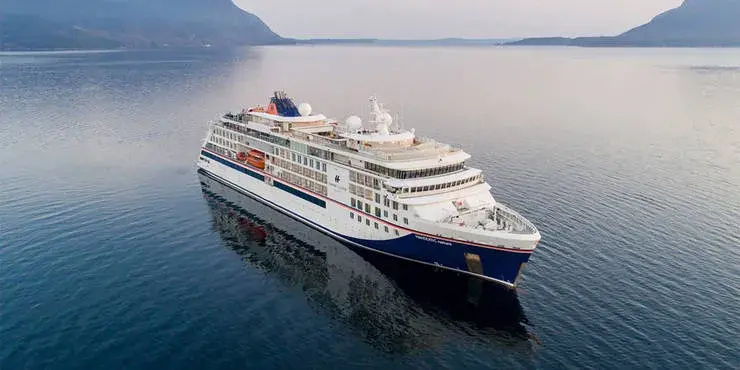
If the luxury ships are about breadth and comfort, the three HANSEATIC expedition vessels push the 2029 programme into places where geography still dictates the experience. At the beginning of the year, HANSEATIC inspiration and HANSEATIC spirit will be in Antarctica, while HANSEATIC nature returns to winter operations from northern Germany after sitting out the 2027/28 season in this region. Norway under the Northern Lights will be followed by winter voyages through the Baltic and then a move south toward the Mediterranean, where several shorter itineraries can be combined for a longer exploration of European coastlines and river landscapes.
HANSEATIC inspiration then moves to Central America, where Baja California appears as a new destination. Timing is planned around the annual migration of grey whales, adding a natural spectacle to a region already known for desert scenery and marine life. From there, the ship crosses the Panama Canal and continues deep into the Amazon. Expeditions reaching as far as Iquitos will venture into areas accessible to relatively few cruise vessels and where navigation itself becomes part of the experience rather than simply a means of getting from one port to the next.
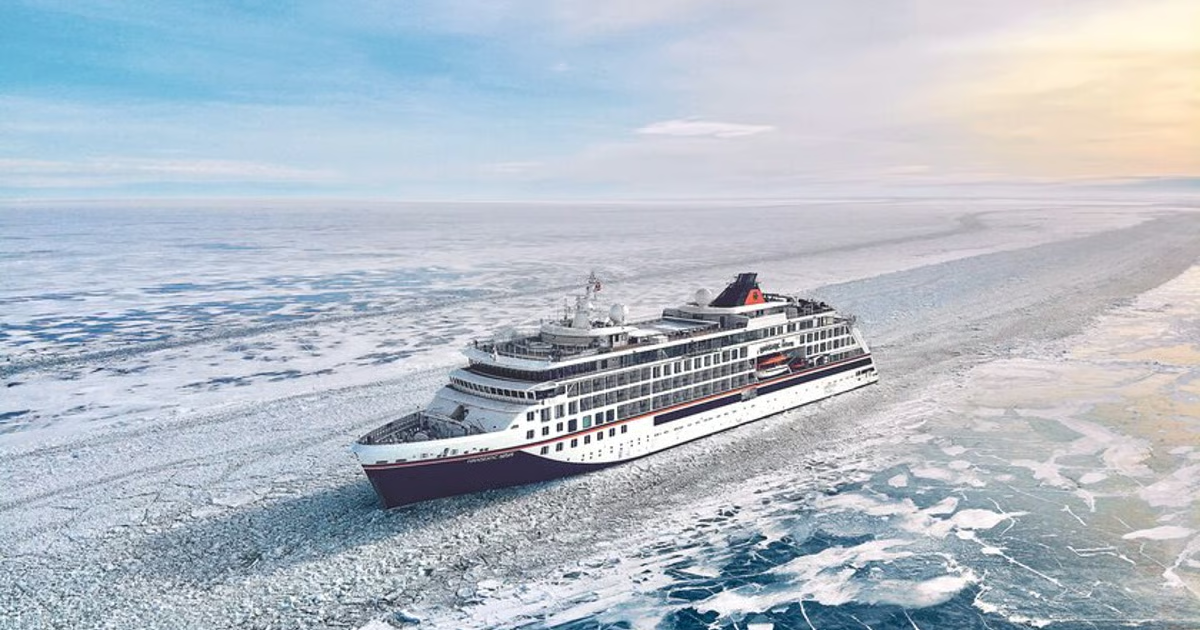
By late summer, Greenland and the Canadian Arctic take over the programme for HANSEATIC nature and HANSEATIC spirit. Eureka, Disko Bay and Sisimiut are among the destinations, followed by voyages through the Northwest Passage and first-time calls at Iqaluit, the Button Islands and Torngat Mountains National Park. These are itineraries where the map is only a starting point. Ice, weather and wildlife will continue to shape what happens on any given day, and that unpredictability remains one of expedition cruising’s strongest attractions.
Meanwhile, HANSEATIC inspiration turns toward Svalbard for a series of circumnavigations from Longyearbyen and Tromsø. The ten-day voyages are positioned as a more accessible introduction to Arctic expedition cruising, but the experience remains genuinely exploratory: the route is adapted according to ice and weather conditions, with glaciers, wildlife and remote landings determining the rhythm. Even London becomes an expedition-style arrival. Two overnight stays in the British capital will take advantage of the small size of the expedition ships, allowing them to navigate the Thames and pass through Tower Bridge — one of those rare moments when the arrival itself becomes part of the destination. At the end of the year, HANSEATIC nature and HANSEATIC spirit return to Antarctica, with itineraries spanning the Falkland Islands, Weddell Sea and Antarctic Peninsula. HANSEATIC inspiration, meanwhile, heads in the opposite direction, following the West African coast through South Africa and the Seychelles to Mauritius.
What ties the expedition programme together is not simply remoteness. Specialists from different disciplines accompany the voyages, interpreting wildlife, landscapes, geology and cultural encounters as they unfold. That approach matters in places where simply seeing something is only half the experience; understanding why it is there, how it developed and what is changing around it can make the journey considerably richer. Hapag-Lloyd Cruises’ 2029 season is already open for non-binding pre-registration, with full booking scheduled to begin on December 1, 2026, when prices and further details will be released. The printed route brochure is expected in March 2027.
But the most interesting thing about the programme is already clear. This is not a season built around one headline region or one fashionable destination. It stretches from tropical islands to polar ice, from major cities to communities far beyond the usual cruise map, and from short introductory voyages to journeys that cross entire oceans. In 2029, Hapag-Lloyd Cruises is not asking guests to choose between the classic and the unexpected. It is putting both on the same map.
Gabriele Bassi