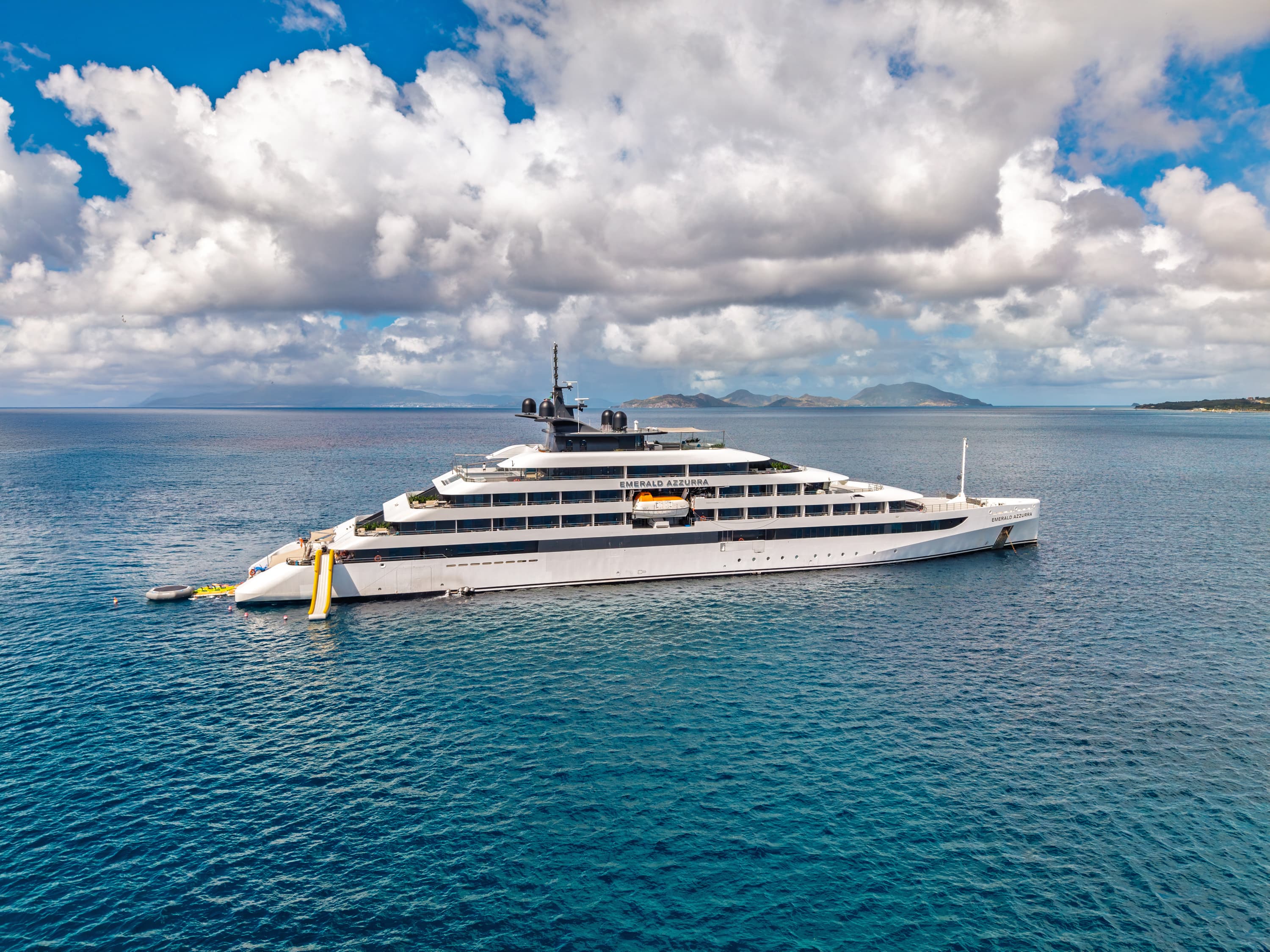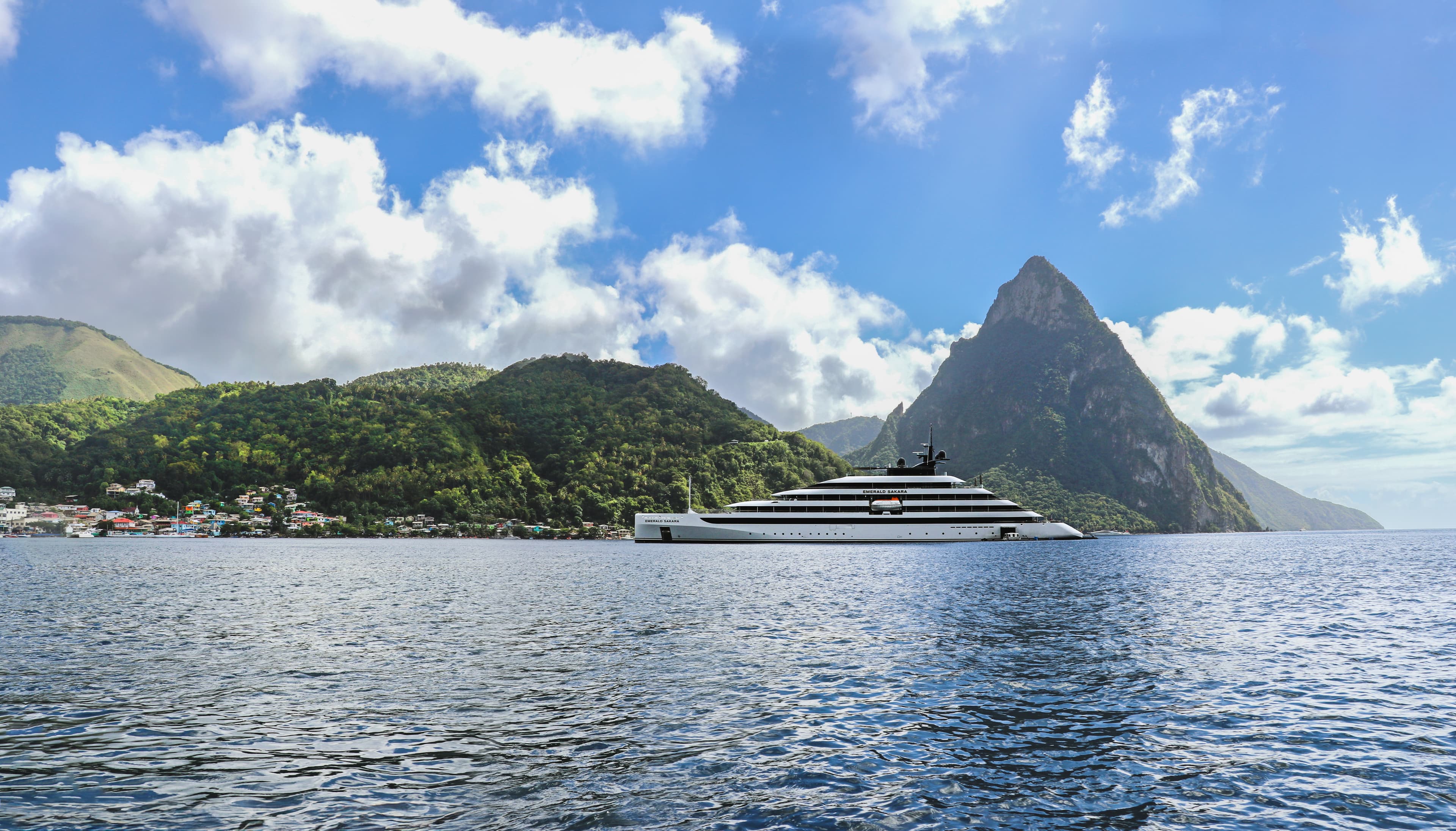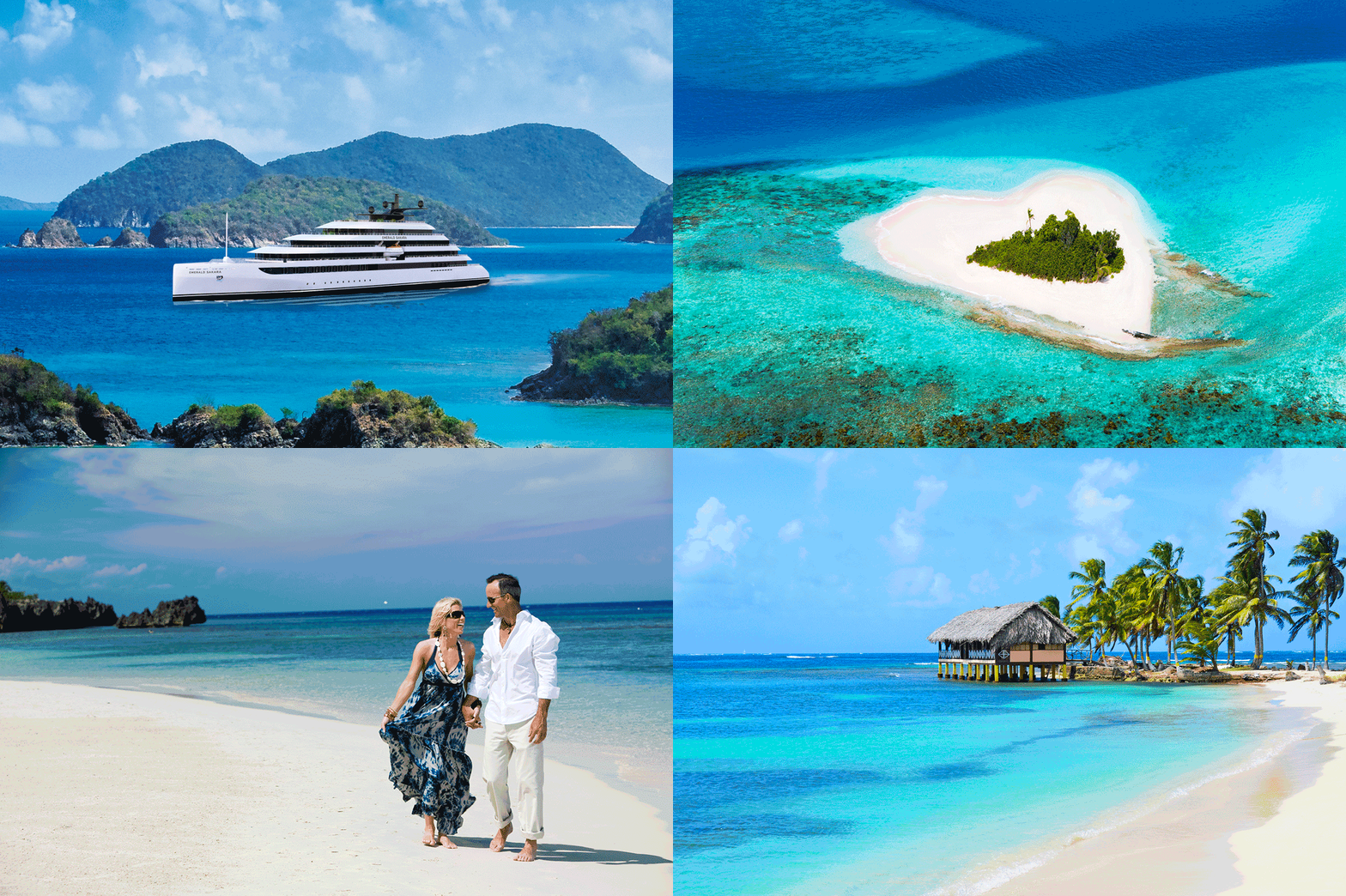
There is a version of the Caribbean that most cruise passengers never actually see — not the crowded cruise terminals, not the duty-free strips a few minutes from the gangway, but the coves, small harbours and boutique islands just beyond them, places far better suited to something considerably smaller than a conventional cruise ship. This winter, Emerald Cruises is betting that a growing number of travellers would rather find that version instead.
The brand's Caribbean program leans on its fleet of intimate luxury yachts, built specifically to slip into smaller harbours, secluded anchorages and island communities that larger vessels cannot easily access. Rather than simply shuttling between the region's best-known cruise ports, the itineraries are designed around what a yacht-scale ship makes possible: swimming straight off the boat, calling at destinations that remain outside the mainstream cruise circuit, and spending real time in places where the destination itself, rather than the crowd around it, is the main event.
Ken Muskat, president of Scenic Group USA & LATAM, frames that access as one of the defining advantages of exploring the Caribbean by yacht. Beyond the major ports, he points to a scattering of small islands, hidden coves, local communities and stretches of coastline particularly well suited to smaller vessels — territory Emerald's ships are designed to reach in a more intimate and immersive way than a conventional cruise typically allows.
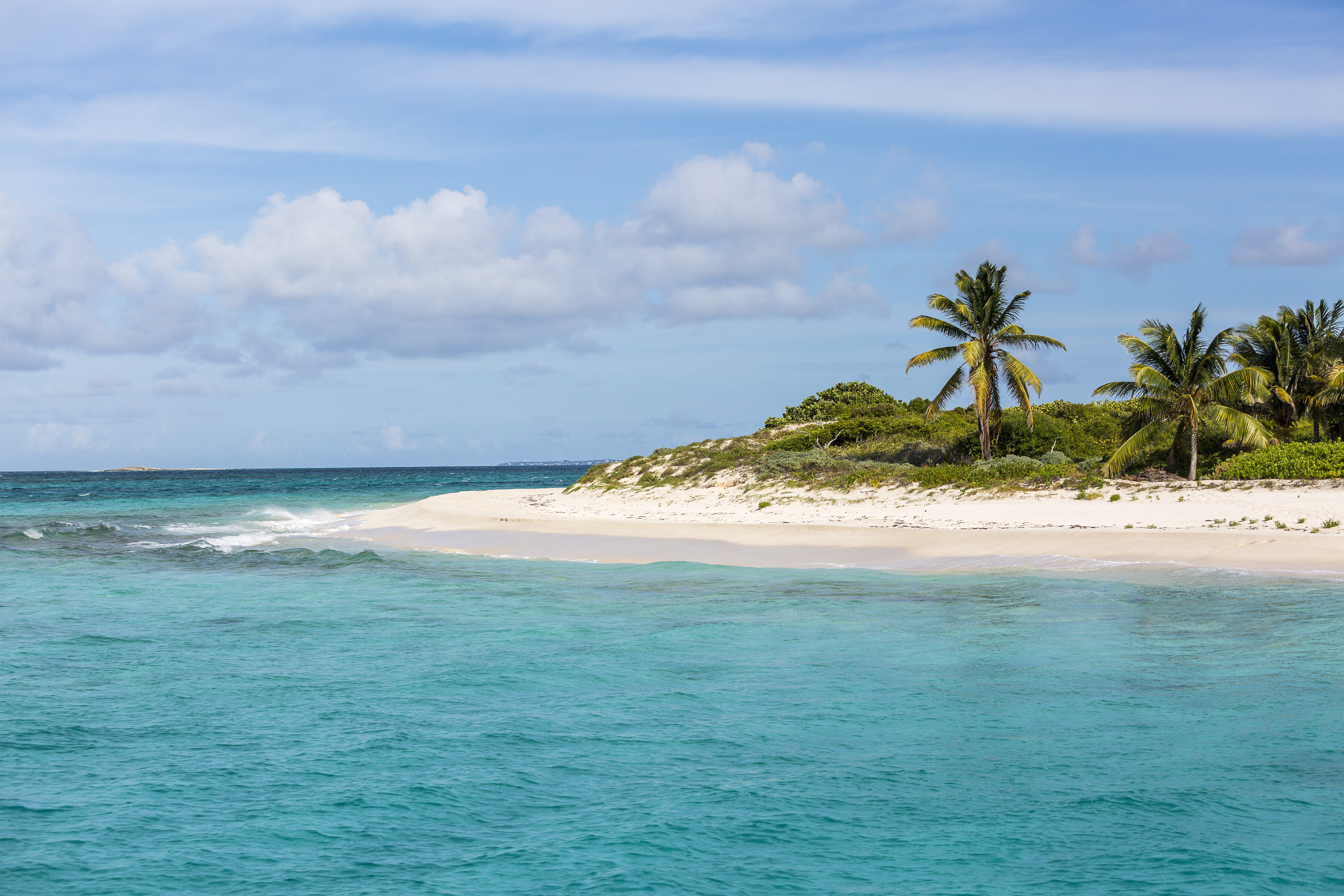
The season's headline sailing is the seven-night "Vibes of the Virgin Islands" itinerary, running from December 2026 through April 2027 across the U.S. Virgin Islands, British Virgin Islands, Sint Maarten and Saint Barthélemy. The route mixes a handful of the Caribbean's marquee names with quieter anchorages, beach towns and smaller ports, giving guests room to move through the islands at a slower, more flexible pace than on a traditional large-ship itinerary. It is less about ticking off ports than about spending time in places where arrival itself feels part of the experience. Across Emerald's broader Caribbean program, the destination list ranges from the French-Creole streets of Martinique and the unhurried charm of Bequia to the polish of Saint Barthélemy and the turquoise waters surrounding Union Island and Carriacou. The common thread is scale: islands, bays and coastal communities where a smaller ship can become part of the landscape rather than dominate it.
The centrepiece of the onboard experience is Emerald's Marina Platform, which opens directly onto the sea whenever the yacht anchors in select destinations. Instead of experiencing the Caribbean purely from the shoreline, guests can swim and snorkel straight off the yacht, paddleboard across calm bays, or take to the water on the ship's collection of marina toys, including SEABOB motorised scooters. It is a detail that changes the rhythm of the day, shifting the experience away from a conventional "cruise with stops" model and closer to the feel of a private-yacht holiday. That distinction matters in a region where so much of the appeal lies in the water itself. On a larger ship, the sea can easily become something viewed from a balcony or crossed between ports. On Emerald's yachts, it becomes part of the day's activity: a place to swim before breakfast, paddle in the afternoon or simply step into when the ship is at anchor. The yacht is not just transporting guests between islands; in many cases, it becomes a platform for experiencing the Caribbean directly.
Robert Castro, vice president of marketing for Scenic Group USA & LATAM, described the Caribbean as an exceptional playground for small-ship exploration, arguing that Emerald's yachts effectively fold the destination itself into the onboard experience. As Castro describes it, a single day might begin with guests stepping straight off the Marina Platform into the Caribbean Sea and end with them wandering through a small island community or anchored in a harbour beyond the practical reach of larger ships — the kind of access and spontaneity he sees as central to yacht cruising in this part of the world.
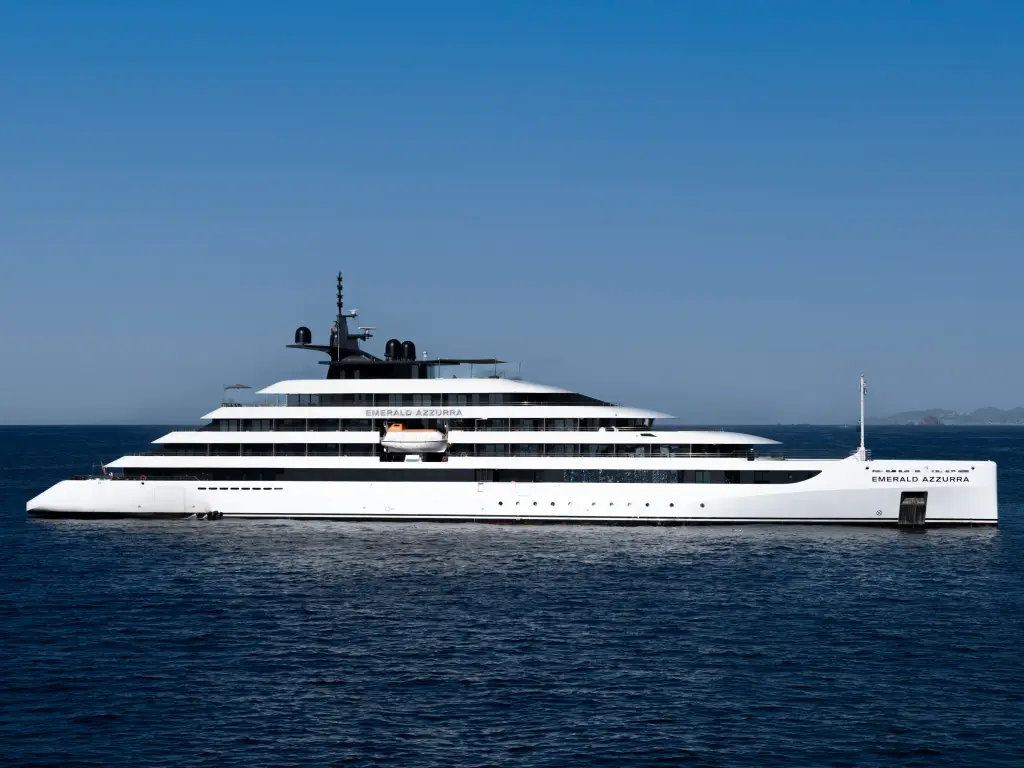
That sense of flexibility also changes the relationship between ship and shore. The appeal is not simply that the yachts are smaller, but that their size opens up a different style of itinerary planning: fewer constraints around major cruise infrastructure, more room for secluded anchorages, and more opportunities to call at places that would struggle to absorb thousands of passengers arriving at once.
Onboard, the offering rounds out with contemporary suites and staterooms, open-air lounges, locally inspired cuisine and the kind of attentive service smaller passenger counts make possible. The fare structure is also highly inclusive, covering gratuities, Wi-Fi, meals, drinks and port charges, helping keep the emphasis on the experience rather than on a long list of extras added along the way.
For travellers weighing a winter Caribbean escape against the familiar mega-ship experience, Emerald's pitch is therefore less about luxury for its own sake than about scale. The argument is that smaller ships can reveal a more intimate side of the region — one defined by hidden bays, smaller communities, direct access to the sea and a slower relationship with the islands themselves.
That version of the Caribbean has always been there. The difference is that it is far easier to experience from the deck of a yacht than from the upper decks of a 5,000-passenger ship.
Gabriele Bassi