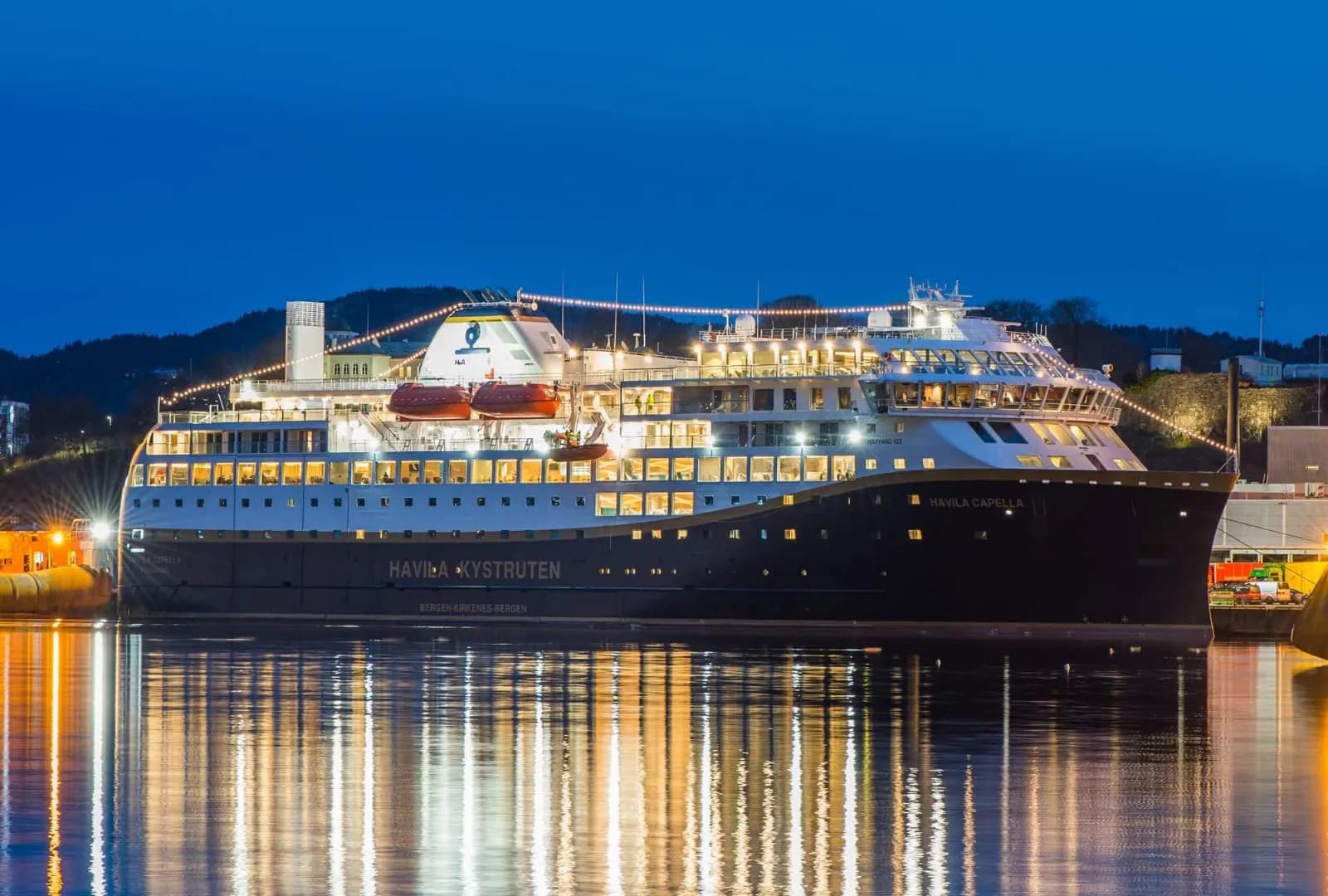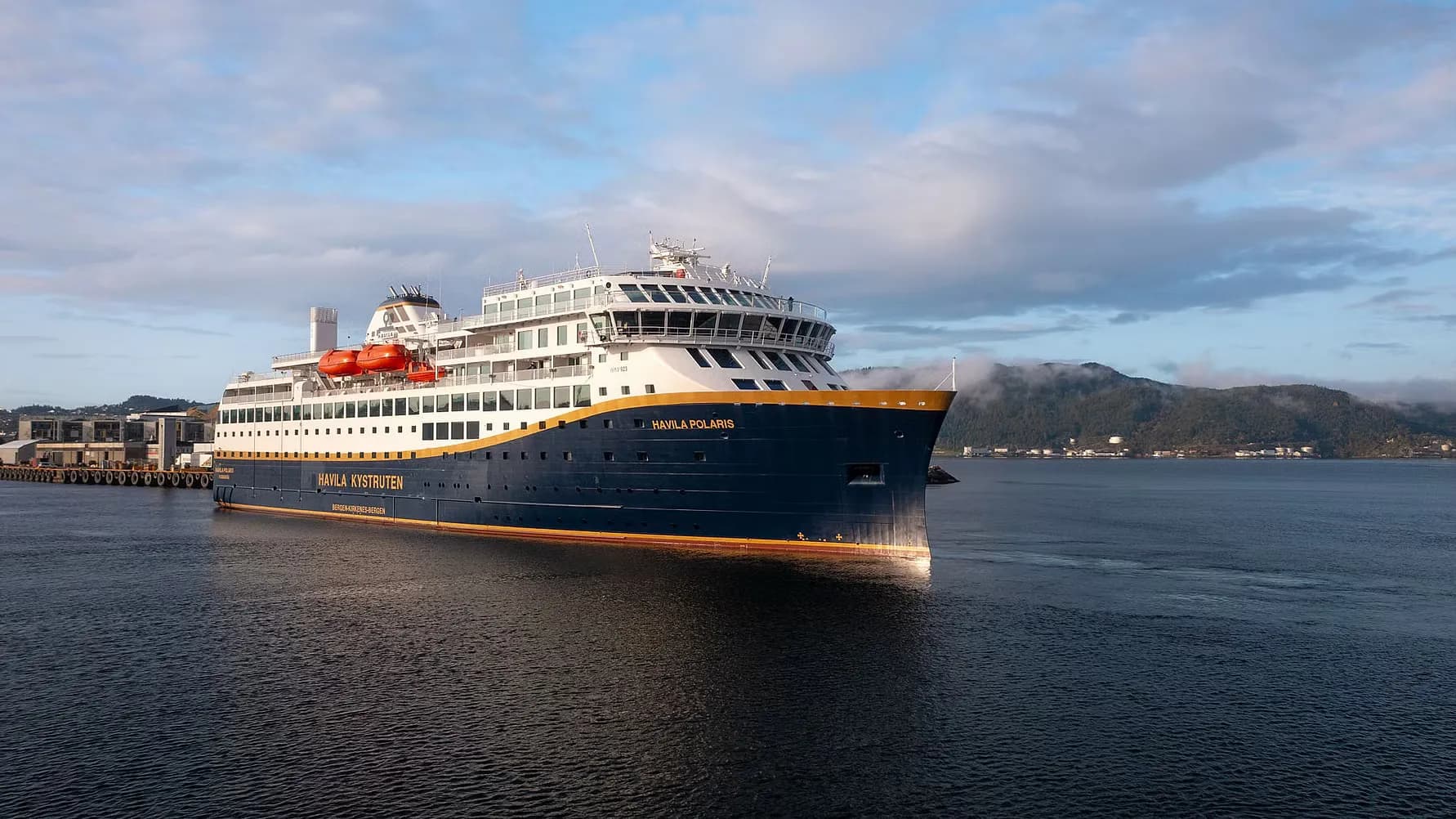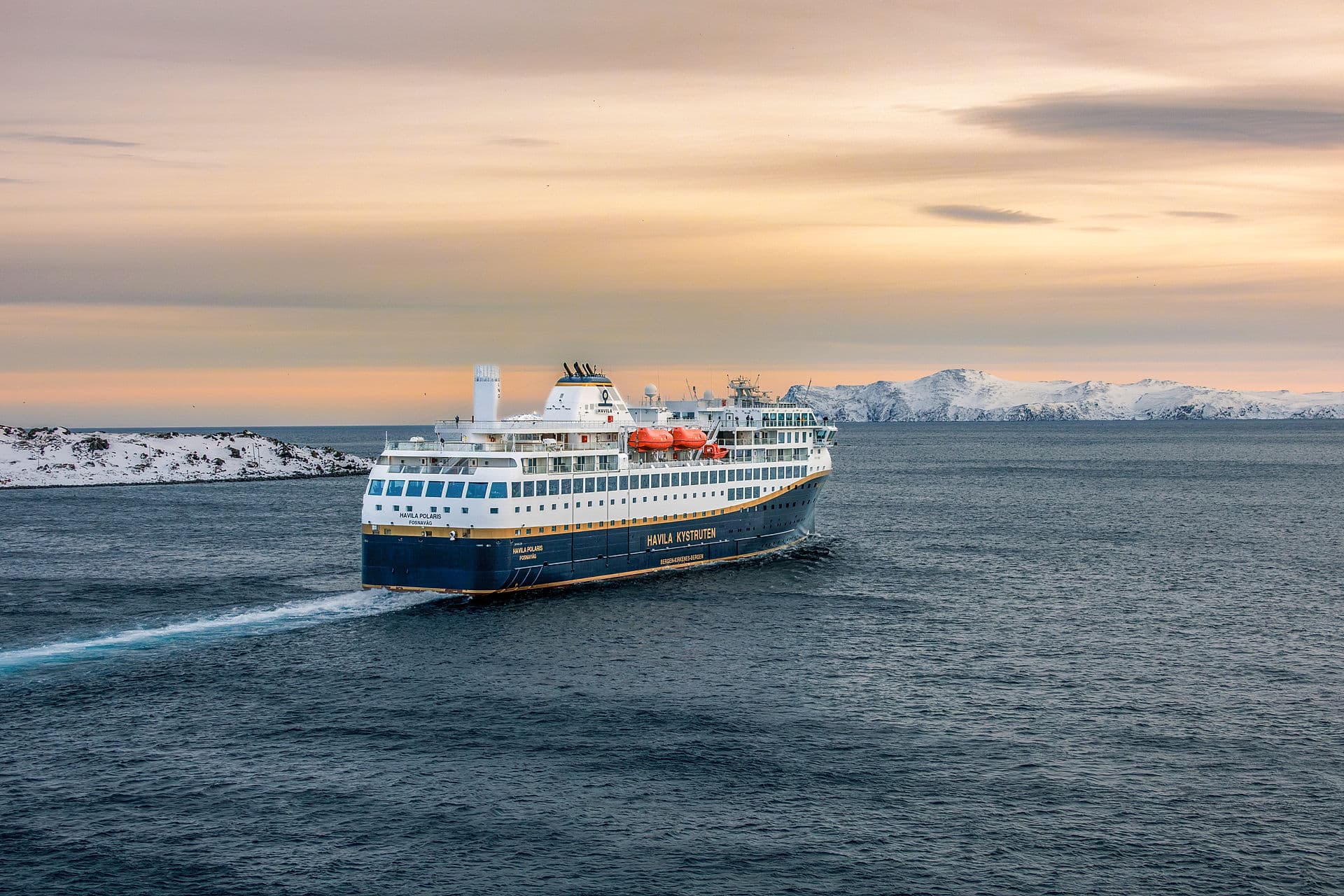
Havila Voyages reported a significant improvement in earnings for the second quarter of 2026, supported by higher occupancy, stronger onboard spending and solid operational performance across its fleet.
The company recorded EBITDA of NOK 98 million for the quarter, up 24 percent compared with the same period in 2025, while the EBITDA margin increased from 19 to 21 percent. Total operating revenue reached NOK 479 million, representing year-on-year growth of 15 percent. According to CEO Bent Martini, the improvement reflects the impact of investments made in commercial capacity, sales and marketing, which are now translating into stronger financial performance.
Ticket revenue increased by 10 percent to NOK 287 million, primarily as a result of higher occupancy, while onboard revenue showed particularly strong momentum, rising 32 percent to NOK 85 million. Onboard revenue per passenger night increased by 6 percent, while contract revenue advanced by 22 percent to NOK 103 million. Havila noted that the reported increase in ticket revenue was somewhat lower than underlying operating indicators would suggest. The company attributed the difference to accrual effects, the strengthening of the Norwegian krone and differences between KPI reporting and accounting classification. Adjusted for these elements, underlying ticket revenue growth was said to be consistent with the increase in passenger nights and average cabin pricing.
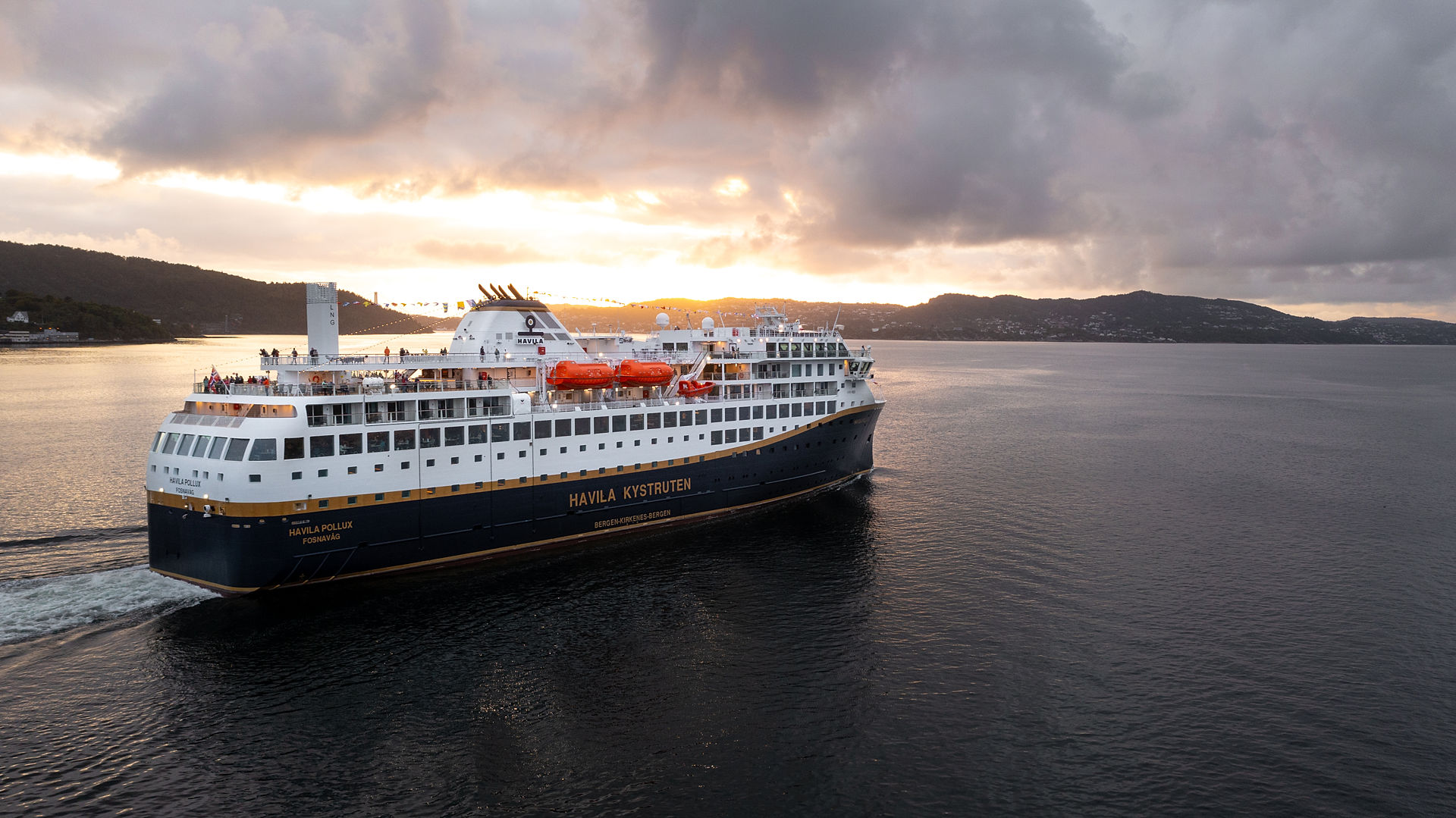
Fleet occupancy reached 83 percent in the second quarter, compared with 74 percent one year earlier, while the cabin factor edged down slightly from 1.88 to 1.86. Passenger nights increased by 17 percent to 99,800. Operational reliability also remained a key strength during the period, with Havila Voyages reporting 100 percent fleet uptime throughout the quarter. For a company operating scheduled services along the Norwegian coast, this performance has relevance beyond the cruise market itself, as service continuity is also important for the coastal communities connected by the route.
Martini said the combination of stronger occupancy and full operational uptime enabled the company to improve profitability while maintaining predictability across its network. He also pointed to strong forward bookings for the third quarter and continued growth in demand. The company sees Norway's position as a tourism destination as another supportive factor, particularly in an international environment in which perceptions of safety, nature-based travel and sustainability continue to influence purchasing decisions.
Havila Voyages is entering the second half of 2026 with what management describes as a record-strong position, while early booking trends are also providing a positive starting point for 2027. The company plans to maintain its focus on direct bookings and margin optimisation as part of its strategy to improve financial predictability and sustain earnings growth. The quarter also showed continued progress on environmental performance. Havila Voyages reported a 36 percent reduction in CO2 emissions compared with the 2017 baseline for the Norwegian coastal route. Food waste remained another area of operational focus, ending the quarter at 107 grams per guest per day. The company noted, however, that its food-waste measurement methodology was expanded in 2026 to include all waste streams, meaning the latest figure is not directly comparable with previous reporting periods.
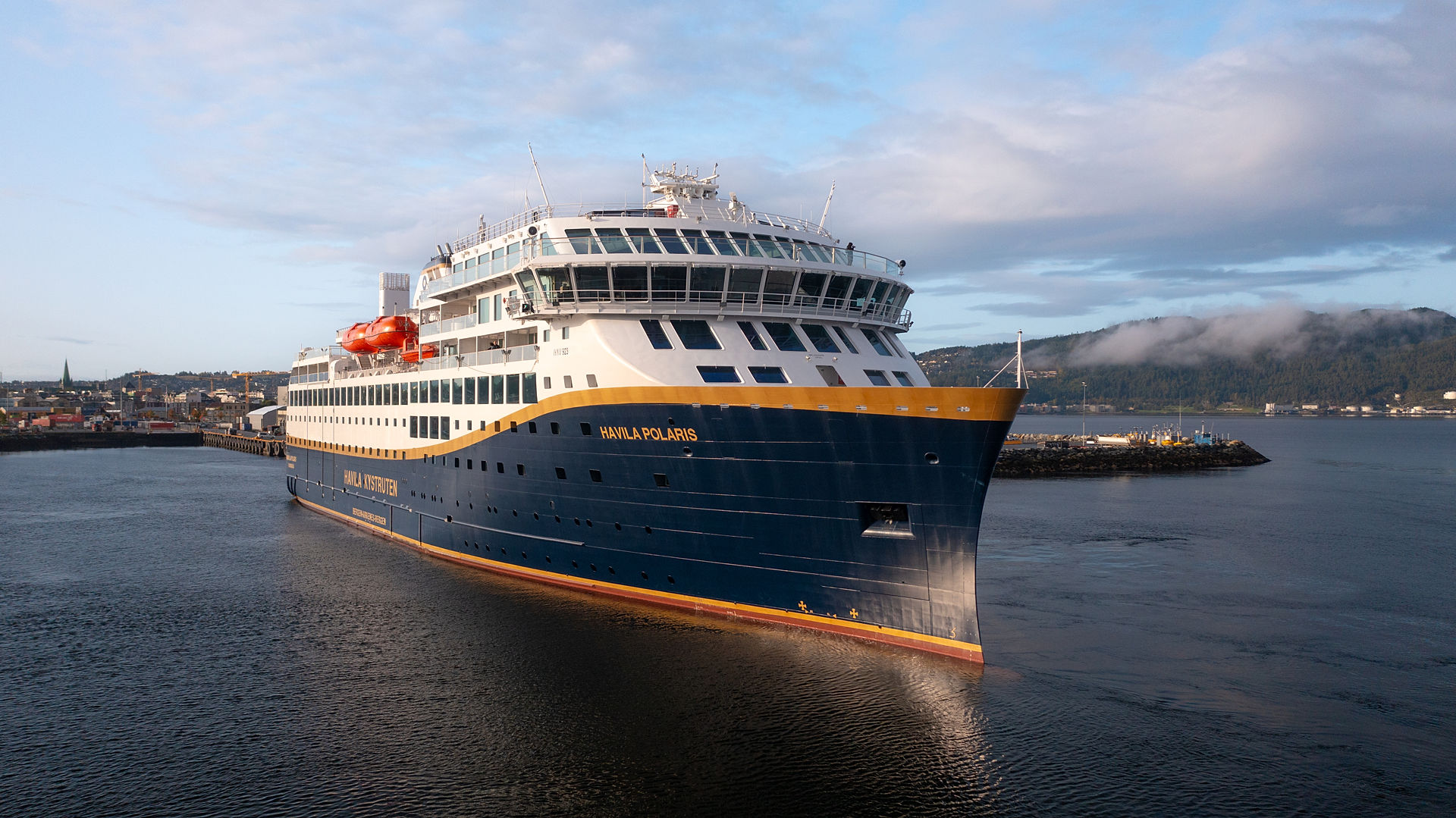
For Havila Voyages, the second-quarter results point to a strengthening operating model built around higher fleet utilisation, improved commercial performance and disciplined cost and margin management. The combination of occupancy growth, stronger onboard revenue and full operational uptime suggests that the company's recent investments in sales and distribution are beginning to produce measurable returns.
At the same time, sustainability remains closely integrated into the operating strategy. The reduction in emissions relative to the coastal-route baseline, together with continued work on food waste, reinforces the positioning of Havila's four-ship fleet as part of a broader effort to modernise scheduled coastal shipping in Norway while reducing its environmental impact. With demand remaining firm into the third quarter and management already looking toward 2027, the next test will be whether Havila Voyages can maintain the same pace of revenue and margin improvement while continuing to build direct sales and preserve the operational reliability that supported its second-quarter performance.
Gabriele Bassi