
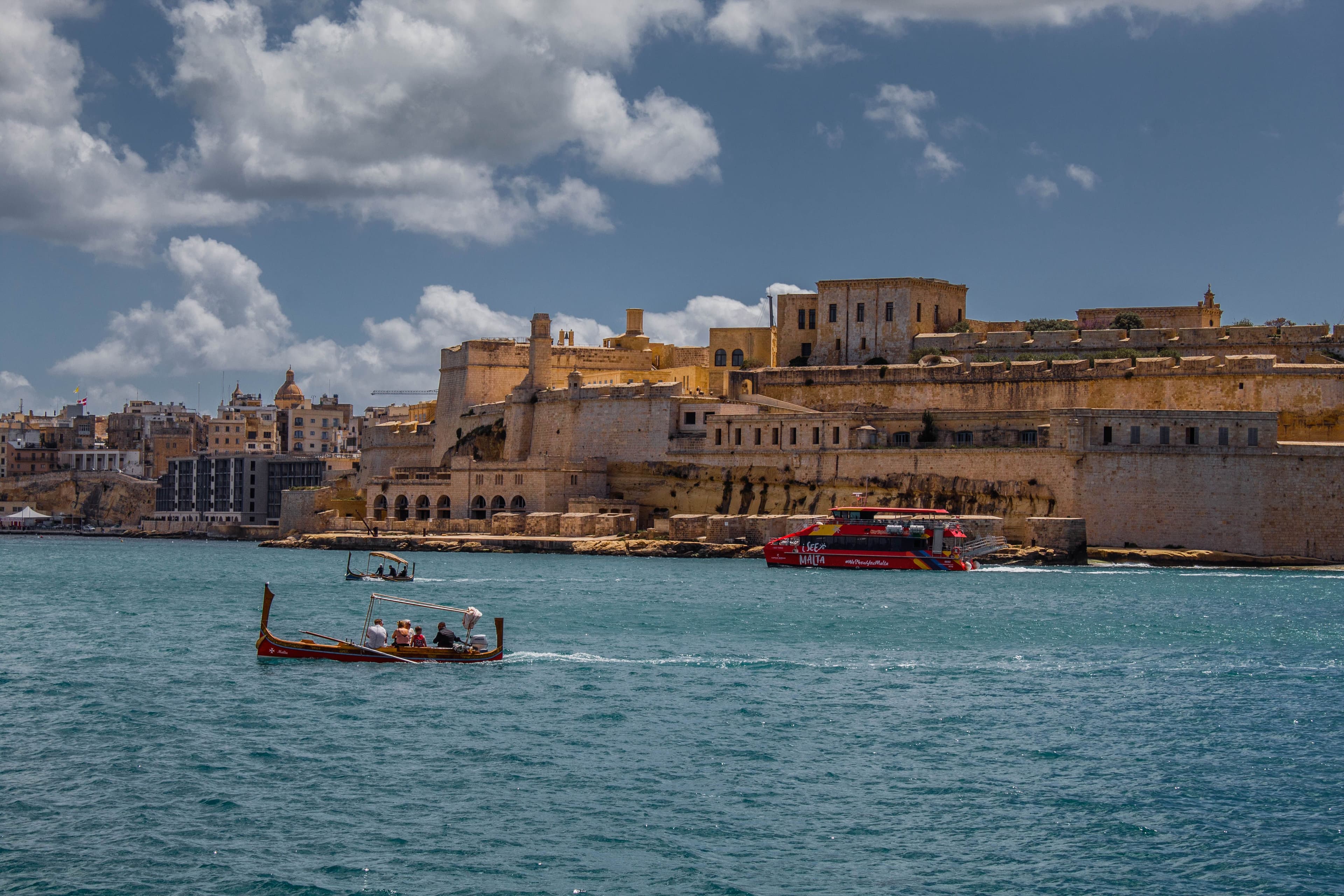
With its Baroque bastions, the legacy of the Knights of Malta and spectacular Mediterranean views, the small Maltese capital is one of the most rewarding and surprisingly complete ports of call in the central Mediterranean.
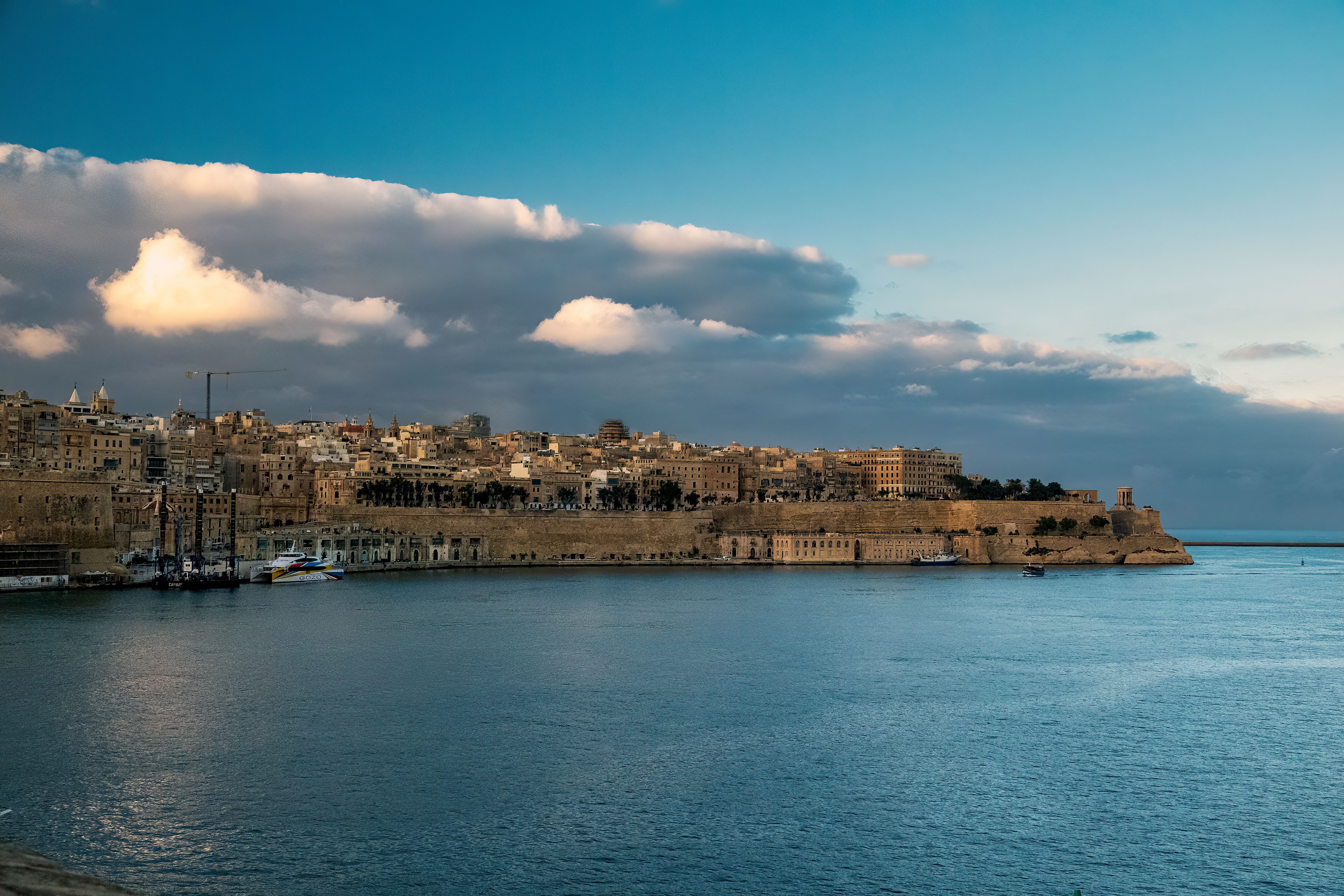
Valletta welcomes cruise ships into one of the Mediterranean’s most spectacular natural harbours. The Grand Harbour is a deep, sheltered inlet that for thousands of years has made Malta a strategic crossroads between Europe and North Africa. Over the centuries, the island was contested by Phoenicians, Carthaginians, Romans, Arabs, Normans, Angevins and Aragonese, long before the arrival of the Knights of St John. It was the Order, led by Grand Master Jean Parisot de Valette — after whom the city is named — that founded Valletta in 1566, shortly after the famous Great Siege of 1565, when a few thousand knights and Maltese defenders resisted the assault of a far larger Ottoman fleet for more than three months. That victory, celebrated throughout Europe as one of the last great defensive stands of Mediterranean Christendom, marked the birth of a city conceived from the outset as an impregnable fortress. Designed by Francesco Laparelli according to Renaissance urban-planning principles, its regular grid still makes the historic centre surprisingly easy to explore on foot, despite the intricate network of bastions surrounding it. Declared a UNESCO World Heritage Site in 1980, Valletta is often described as one of Europe’s capitals with the highest concentration of historical and artistic heritage per square kilometre — a claim that, after exploring it for even a few hours, seems far from exaggerated.
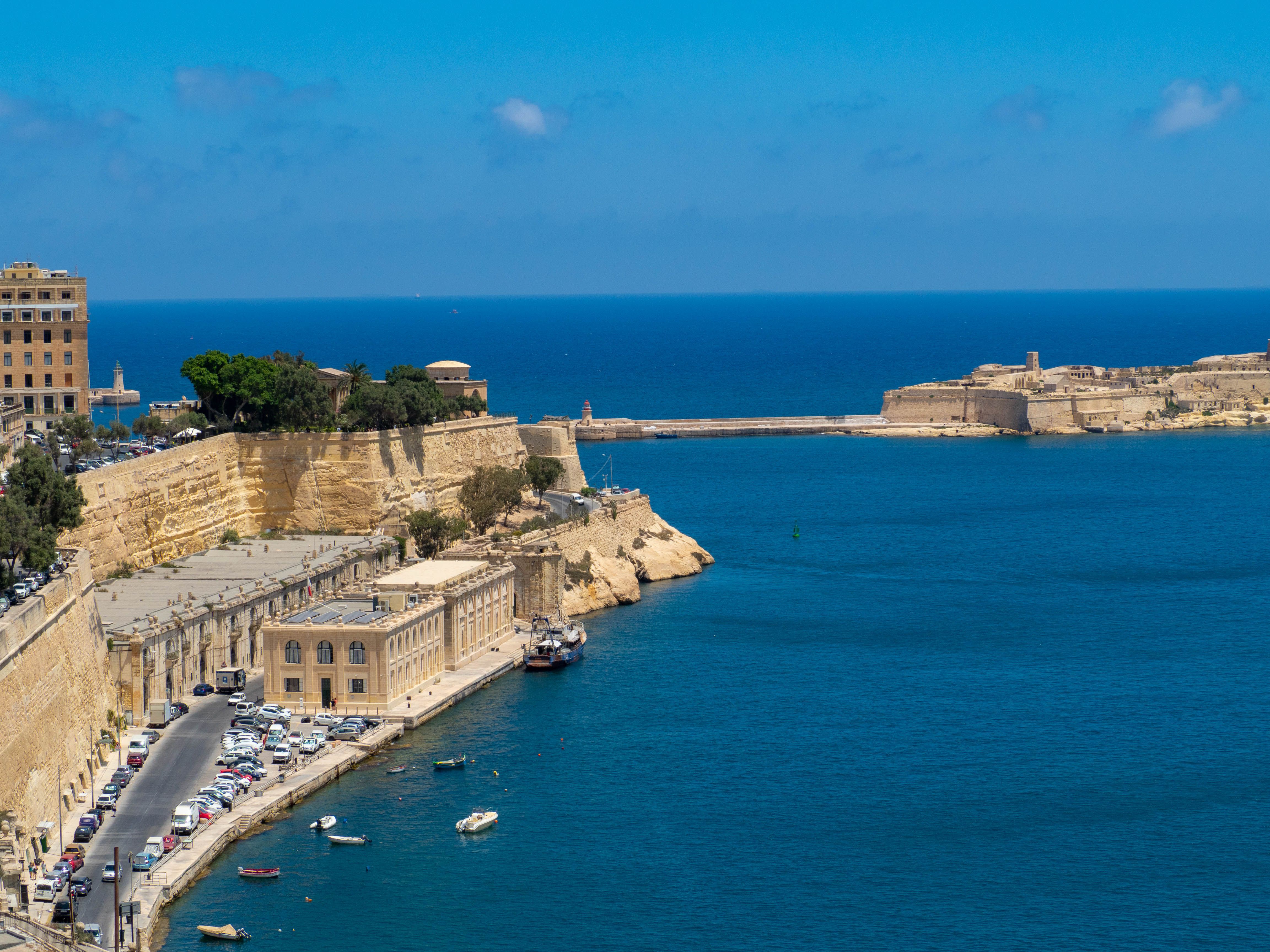
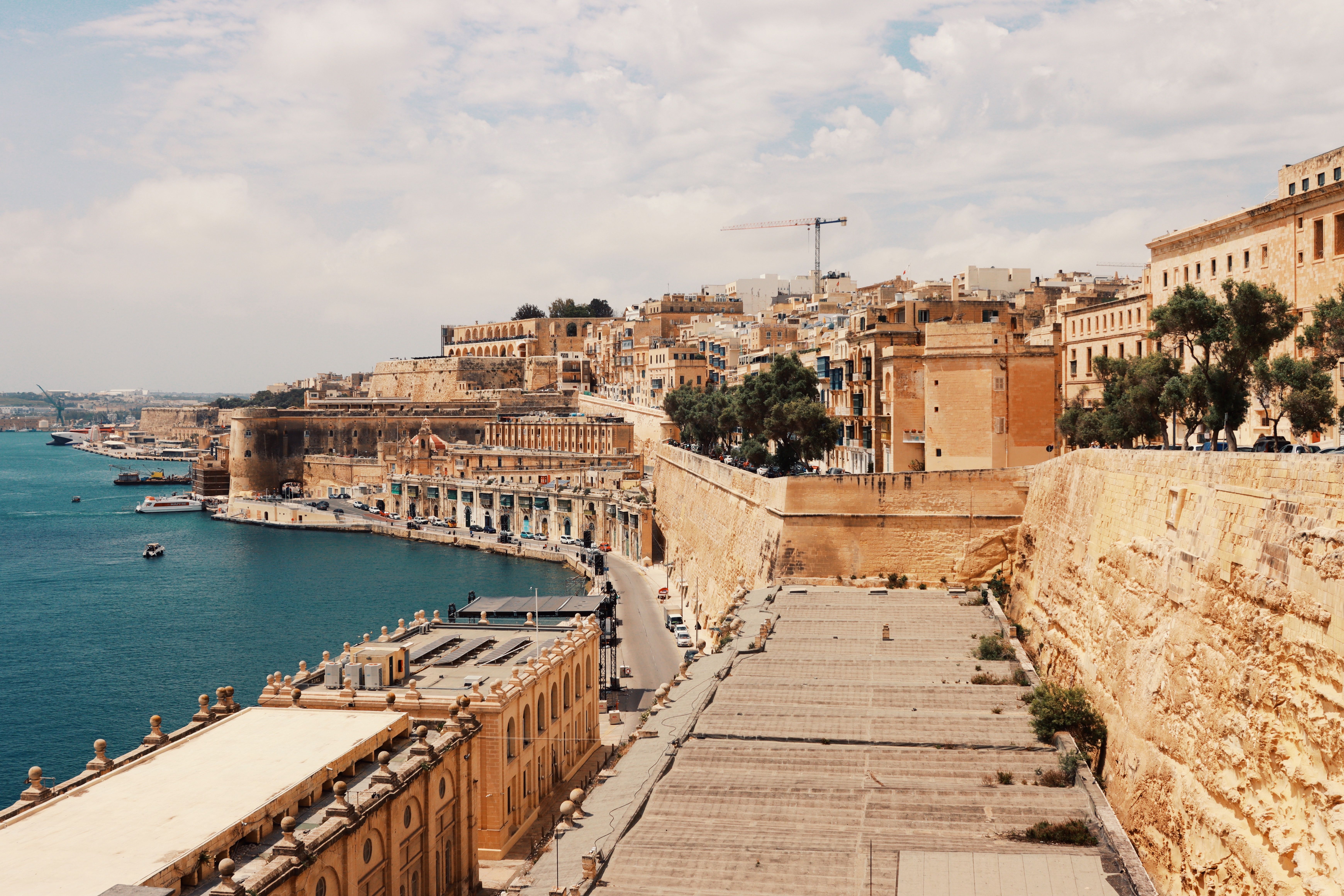
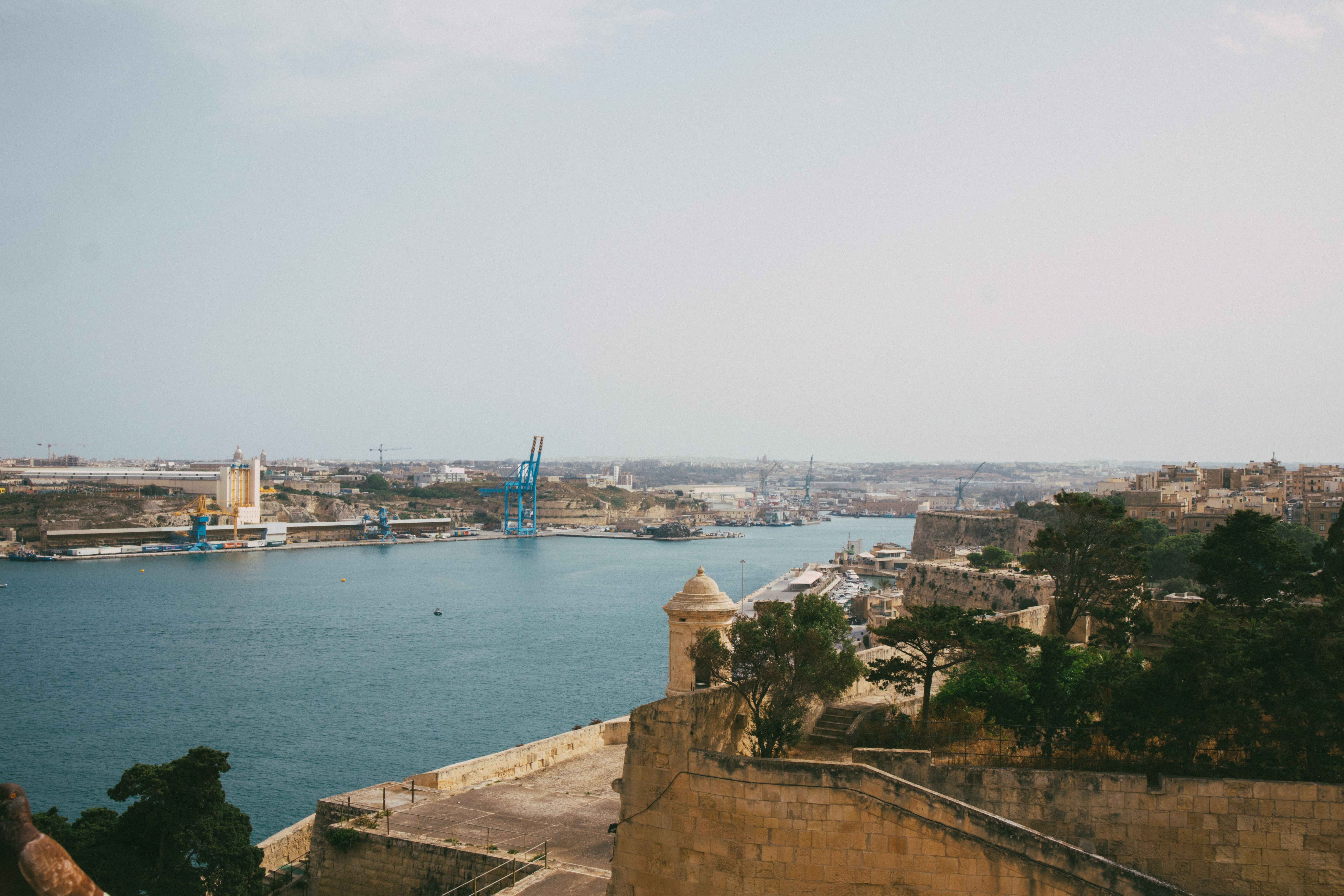
Those arriving by sea will generally find their ship berthed at the Valletta Waterfront or the adjacent cruise terminal, both located directly below the city walls. It is one of the rare cases in the Mediterranean where the historic centre can be reached on foot within just a few minutes, without the need for shuttles or taxis. A panoramic lift also provides a convenient connection between the harbour level and the Upper Barrakka Gardens for those who would rather avoid the steeper climb. The Upper Barrakka Gardens are often the first taste of the city for cruise passengers. From these elevated gardens, once reserved for officers of the Order and now open to the public, visitors can enjoy one of Malta’s most photographed views, with the entire Grand Harbour stretching out below and Fort St Angelo, the ancient stronghold of the Knights, dominating the opposite side of the inlet. Every day at precisely noon, a ceremonial cannon firing from the bastion below revives one of the city’s old military traditions. It is a small ritual worth planning around, as it always attracts a good number of visitors and offers one of the most characteristic sights of a Valletta port of call.
Descending towards the heart of the city along its cobbled streets, St John’s Co-Cathedral is an unmissable stop. From the outside, its façade is restrained and almost austere, but inside it reveals one of Europe’s most lavish Baroque interiors. The floors are entirely covered with intricately inlaid marble tombstones commemorating knights from across Europe, while the vaulted ceilings were frescoed by Mattia Preti with scenes from the life of St John the Baptist. In the adjoining oratory is Caravaggio’s The Beheading of Saint John the Baptist, a masterpiece painted during the artist’s stay in Malta and the only work he ever signed with his own hand. His signature can be seen in the painted blood flowing from the saint’s neck. For art lovers, this detail alone justifies a longer visit and makes the cathedral an almost obligatory stop even for those with limited time ashore. Nearby, Republic Street runs through the city from one end of the peninsula to the other. Shops, noble palaces, historic cafés and some of the city’s most representative public buildings line the street. Among them is the Grand Master’s Palace, today the seat of the Maltese Parliament, which still preserves its ceremonial rooms and an armoury displaying collections of armour belonging to the Knights, including pieces worn during the Great Siege. Not far away stands the Manoel Theatre, one of Europe’s oldest theatres still in operation. Its richly decorated wooden auditorium is worth seeing even if only for a few minutes, whenever opening hours allow. Those looking for an alternative viewpoint can continue to Hastings Gardens, on the opposite side of the city from the Upper Barrakka. Less crowded but equally scenic, the gardens overlook Malta’s northern coastline and Sliema, offering a different perspective over the bay and a moment of tranquillity away from the main visitor flows.
Those wishing to venture a little further from the most popular circuit can explore the side of Valletta overlooking Marsamxett Harbour, the city’s “smaller” harbour. Less photographed than the Grand Harbour, it is equally atmospheric at sunset, when the lights begin to illuminate the boats at anchor and nearby Manoel Island. This is also the side of the city offering some of the finest views towards Sliema and Msida, as well as a good starting point for a quieter walk away from the crowds that tend to concentrate around Republic Street and the Upper Barrakka Gardens.
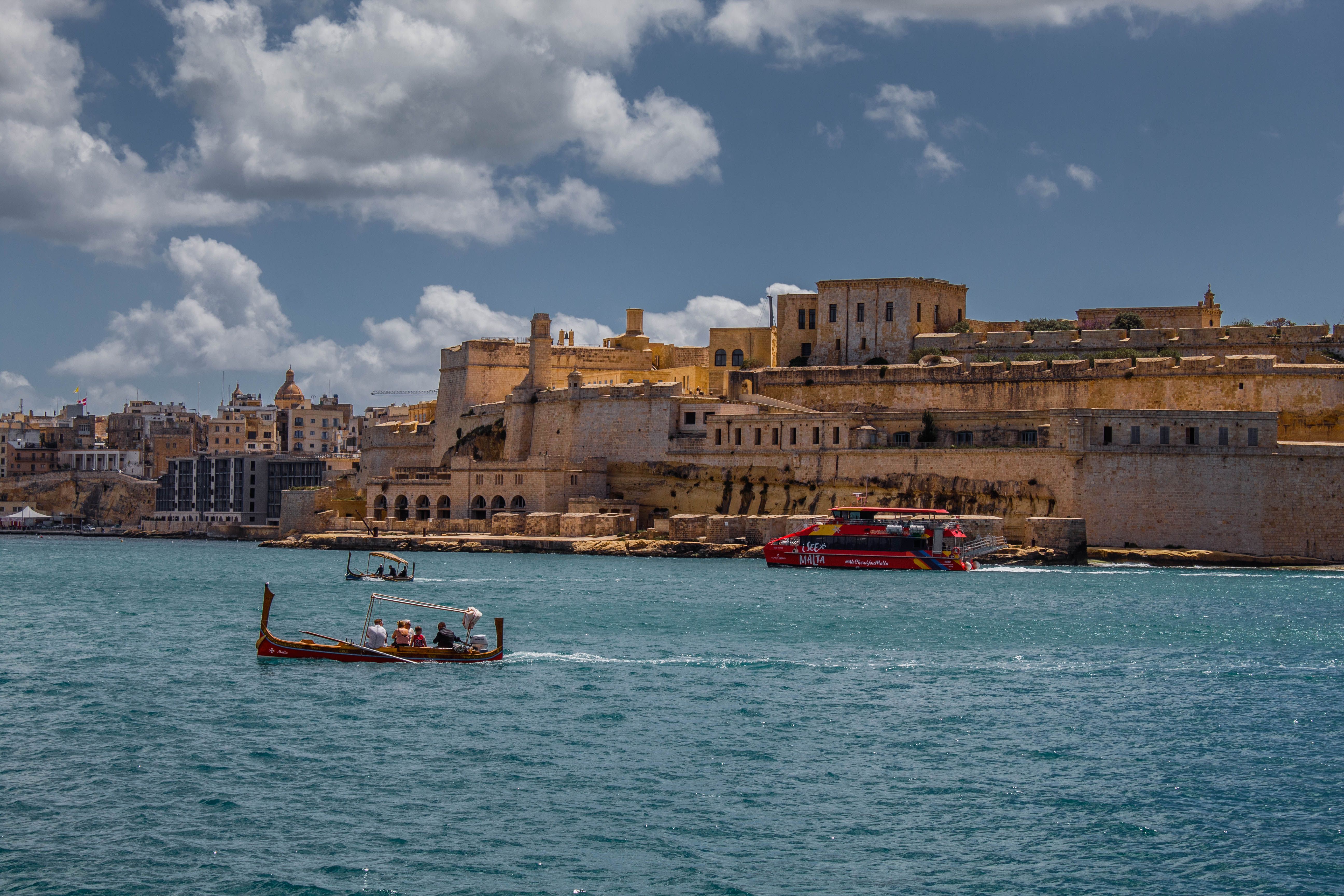
For those with a few extra hours, a stop in Valletta naturally opens up some of Malta’s most appealing excursions, which should be planned according to the amount of time actually available ashore. With two or three additional hours, a short boat crossing of the Grand Harbour — often aboard one of the colourful traditional boats known as dgħajsa, something of a Maltese gondola — takes visitors to the Three Cities: Vittoriosa, Senglea and Cospicua. These fortified settlements were at the heart of the island even before Valletta was founded and were the historic home of the Knights before they moved to the new capital. Today, they are more intimate and authentic neighbourhoods, with narrow lanes, small historic shipyards that are still active and a distinctly less tourist-oriented atmosphere than the capital. They are ideal for those looking for a more genuine experience of everyday Maltese life.
With half a day available, a taxi ride of around half an hour leads instead to Mdina, the island’s former capital, known as the “Silent City” because of the restrictions on motor traffic within its medieval centre. Its winding streets, honey-coloured noble palaces and sweeping views across the island from its bastions make it one of Malta’s most evocative destinations, even for visitors passing through for only a short time. Nearby Rabat, with its early Christian catacombs, adds another layer of history for those wishing to explore further. Those who prefer to remain closer to the port can spend their remaining time in Sliema or St Julian’s, just across the bay. Here, visitors will find a more contemporary atmosphere, lively waterfront areas, boutiques and a good selection of restaurants overlooking the sea. Another option is the Sliema Front, the long seafront promenade particularly popular with locals in the evening and an ideal place to enjoy a final glimpse of everyday Maltese life before returning on board.
From a culinary perspective, a stop in Valletta is an excellent opportunity to discover a cuisine that rarely receives the attention it deserves. Maltese food blends Sicilian, North African, Spanish and British influences into a repertoire that is entirely its own. The easiest way to begin is by trying pastizzi, small, flaky pastry parcels filled with either salted ricotta or a pea purée. They are served warm throughout the city in small bakeries known as pastizzeriji. Inexpensive and easily eaten in just a couple of bites, they are the quintessential Maltese street snack, so much so that many locals consider them a national institution rather than simply street food. Those with time for a more substantial meal should look for fenkata, a rabbit stew marinated in red wine and Mediterranean herbs. Considered Malta’s national dish, it is traditionally associated with social gatherings and village celebrations. It is also not uncommon to find rabbit served fried, accompanied by potatoes.
Equally representative is ftira, a local bread with a crisp crust and dense crumb, filled with tuna, capers, sun-dried tomatoes, onion and olives. It may vaguely recall the Sicilian muffuletta, but has a character entirely of its own and makes an excellent quick lunch to enjoy while exploring the city. Among the traditional first courses, it is worth seeking out aljotta, a fish soup flavoured with garlic, tomato and marjoram, particularly appreciated during the cooler months. For dessert, Maltese kannoli and imqaret — small fried pastry parcels filled with spiced dates — provide a delicious finale to any meal. The many historic cafés along Republic Street and in the city’s small squares also offer plenty of opportunities for a break with a view, perhaps accompanied by a glass of Maltese wine. The indigenous Girgentina grape for white wines and Gellewża for reds remain relatively little known outside the island, but the quality of local wineries has improved considerably in recent years. A tasting at one of the city’s wine bars can therefore be a pleasant surprise even for discerning wine lovers. For beer enthusiasts, Cisk, the local lager produced since 1929, remains the most widely available choice in the city’s bars and is served chilled virtually everywhere.
From a practical perspective, it is worth remembering that the streets of the historic centre are almost entirely cobbled and feature some fairly pronounced inclines and descents. Comfortable footwear is therefore essential, perhaps even more so than in other Mediterranean ports of call that may initially appear more challenging. Summer weather can be hot and sunny, while the city’s pale stone reflects and intensifies the heat during the central hours of the day. Those visiting in the height of summer would be well advised to plan longer walks for the early morning or late afternoon, perhaps using the hottest part of the day for a break in one of the many historic cafés along Republic Street or for a visit to an air-conditioned museum. Among them is the National Museum of Archaeology, which houses extraordinary megalithic artefacts from the island’s prehistoric temples — monuments older than Stonehenge and the Egyptian pyramids. Another option is the Malta at War Museum, which explores the siege suffered by the island during the Second World War and the awarding of the George Cross to the entire Maltese population, the only instance in history in which an entire nation has received the British honour. Visitors travelling to Malta in spring or autumn will find milder temperatures and particularly favourable light for photography, as well as fewer visitors than during the peak summer months. In high season, several ships may be in port at the same time, and the city’s main attractions, including the walls and cathedral, can become crowded quickly by late morning.
The euro is the official currency, and cards are widely accepted even in small shops and informal pastizzeriji, although it is always useful to carry a few coins for quick purchases from street vendors. English, an official language alongside Maltese and spoken fluently by the vast majority of the population, makes communication particularly easy for international visitors. This is a significant advantage compared with some other Mediterranean ports, where language barriers can complicate a day ashore, especially for independent travellers who are not part of an organised excursion. For those travelling in organised groups, with families or with people with reduced mobility, it is worth noting that the panoramic lift and the main attractions in the city centre are generally accessible. This makes Valletta a relatively convenient port of call compared with other fortified Mediterranean cities, which can often be more difficult to navigate and less well equipped. Finally, those lucky enough to visit Malta during one of its many local festi — the patron-saint celebrations held in towns and villages across the island between May and September, featuring fireworks, marching bands and religious processions — will have a rare opportunity to experience the city and the island at their most authentic and festive, far removed from purely tourist-oriented circuits.
Gabriele Bassi