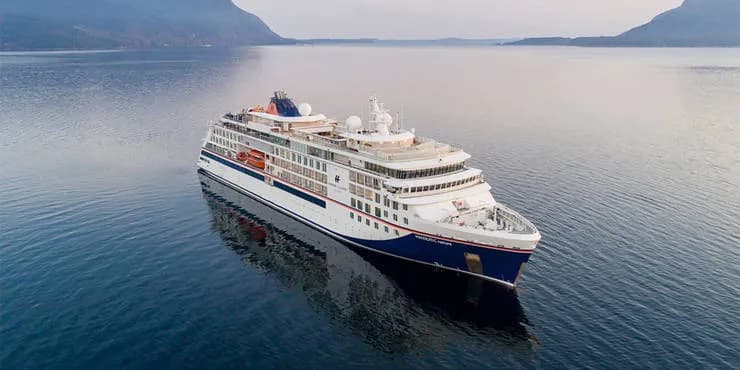
In the expedition cruise landscape, a new concept of travel is emerging with increasing clarity: no longer simply reaching extraordinary destinations, but truly understanding them. It is on this principle that Hapag-Lloyd Cruises has built its approach to the new Indian Ocean expeditions, where expertise and responsibility become central elements of the experience.
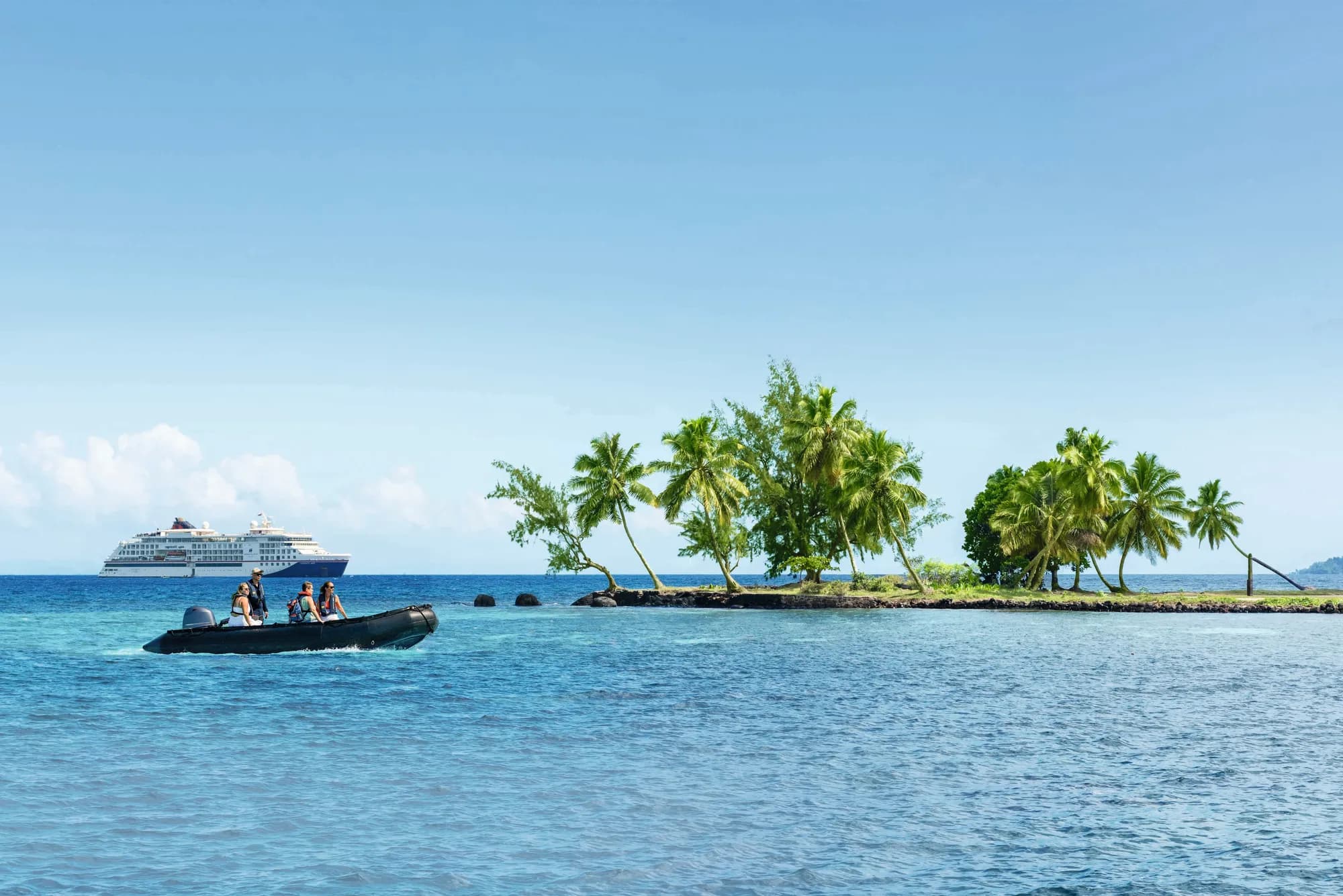
Among the islands of the Seychelles, the coasts of Madagascar, and the lesser-traveled routes of East Africa, every itinerary aboard the HANSEATIC nature becomes a journey of profound discovery. What makes these expeditions different is not only the beauty of the places themselves, but the way they are experienced. On board, guests are accompanied by an interdisciplinary team of experts — biologists, geologists, ornithologists, and ethnologists — who do far more than simply deliver lectures. They actively participate in every stage of the journey. From Zodiac excursions and landings to onboard discussions and briefings, a continuous dialogue is created that allows guests to truly interpret what they observe.
In this way, even the most iconic landscape takes on a different meaning. A tropical beach or an apparently perfect atoll reveals itself as a complex ecosystem shaped by delicate balances and millennia of evolutionary processes. Understanding why Madagascar hosts such extraordinary biodiversity or how the coral islands of the Seychelles were formed means experiencing these destinations with a completely different level of awareness. Madagascar, often described as a true laboratory of evolution, offers an emblematic example: millions of years of isolation gave rise to unique species found nowhere else in the world. Observing them is only the first step; understanding their origins and context makes the experience far more meaningful.
Likewise, the Seychelles are not limited to the postcard-perfect images everyone knows. The expeditions also venture toward remote atolls and nearly untouched natural environments accessible to very few travelers. In these settings, the presence of experts becomes essential in interpreting the territory and capturing its nuances, transforming observation into knowledge.
Alongside expertise, another fundamental element is responsibility. Operating within such fragile ecosystems requires a careful and conscious approach. Landings take place in small groups, itineraries are planned in accordance with local conditions, and every activity is designed to minimize environmental impact. This is not merely an organizational aspect, but an integral part of the travel philosophy itself: guests are not simple spectators, but active participants in a broader reflection on the value and preservation of the places they visit.
The characteristics of the ships themselves also reflect this philosophy. The fleet’s vessels are designed to operate in sensitive areas, featuring compact dimensions and advanced technologies aimed at reducing emissions. On board, the sharing of knowledge is constant: briefings, in-depth presentations, and discussion sessions provide continuity to the experience and allow guests to further explore what they observed throughout the day.
Traveling in these regions also means embracing a more authentic and less immediate dimension of exploration. In tropical environments, nature does not always reveal itself easily: animals camouflage themselves, ecosystems require patience and attention. It is precisely this aspect that makes every discovery more meaningful. Every encounter and every observed detail gains value because it emerges from a shared and conscious experience.
Another element that enriches these expeditions is the interaction with local communities. Encounters with local populations allow travelers to move beyond the purely naturalistic aspect and better understand the cultural and social dynamics of the destinations. This direct dialogue contributes to building a more complete vision of the journey, where nature and the human dimension become deeply interconnected.
In this context, expedition cruising becomes more than simply a type of cruise: it evolves into a true philosophy. It is not the destination alone that makes the difference, but the way it is experienced. Whether in polar or tropical regions, the principle remains the same: exploration means understanding, respecting, and creating an authentic connection with what is encountered.
The new Indian Ocean routes therefore represent a natural evolution of this approach, bringing the concept of expedition travel into tropical settings without abandoning its core values. The result is a more conscious, deeper, and ultimately more memorable travel experience.
Do not miss news, updates, and reviews of Hapag-Lloyd Cruises on Cruising Journal with photos, videos, and cruise offers.