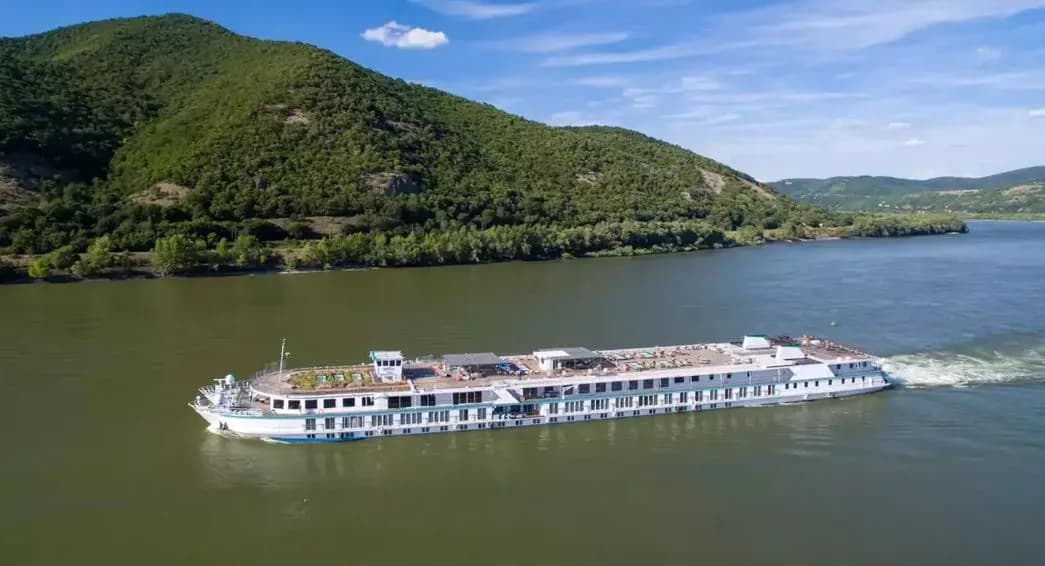
Riverside Luxury Cruises is expanding its active travel offering in 2027 with three new cycling-focused sailings aboard Riverside Mozart, combining luxury river cruising with up to 405 miles of riding along the Danube Cycle Path.
The new Riverside Active departures will operate between Passau, Vienna and Budapest in July and August 2027, giving guests the opportunity to spend each day exploring by bicycle while returning every evening to the comfort, dining and service of one of the most spacious luxury ships on the Danube. The first sailing, “Riverside Active: Upper Danube Bike Cruise with Legendary Wachau,” will operate from Passau to Vienna from July 22 to 29, 2027. The seven-night itinerary follows some of the most scenic stretches of the Upper Danube, including Engelhartszell, Linz, Mauthausen, Grein, Melk, Dürnstein and Tulln before reaching the Austrian capital. A second seven-night departure, “Danube Bike Cruise with Historic Capitals,” continues from Vienna to Budapest between July 29 and August 5, visiting destinations including Bratislava, Komárom, Esztergom and Visegrád and cycling through the landscapes surrounding the Danube Bend. For guests looking for a more complete experience, the two journeys can be combined into a 14-night Passau-to-Budapest itinerary running from July 22 to August 5. Over the full itinerary, cyclists can ride as much as 405 miles, although one of the most appealing aspects of the product is that completing the full distance is entirely optional.
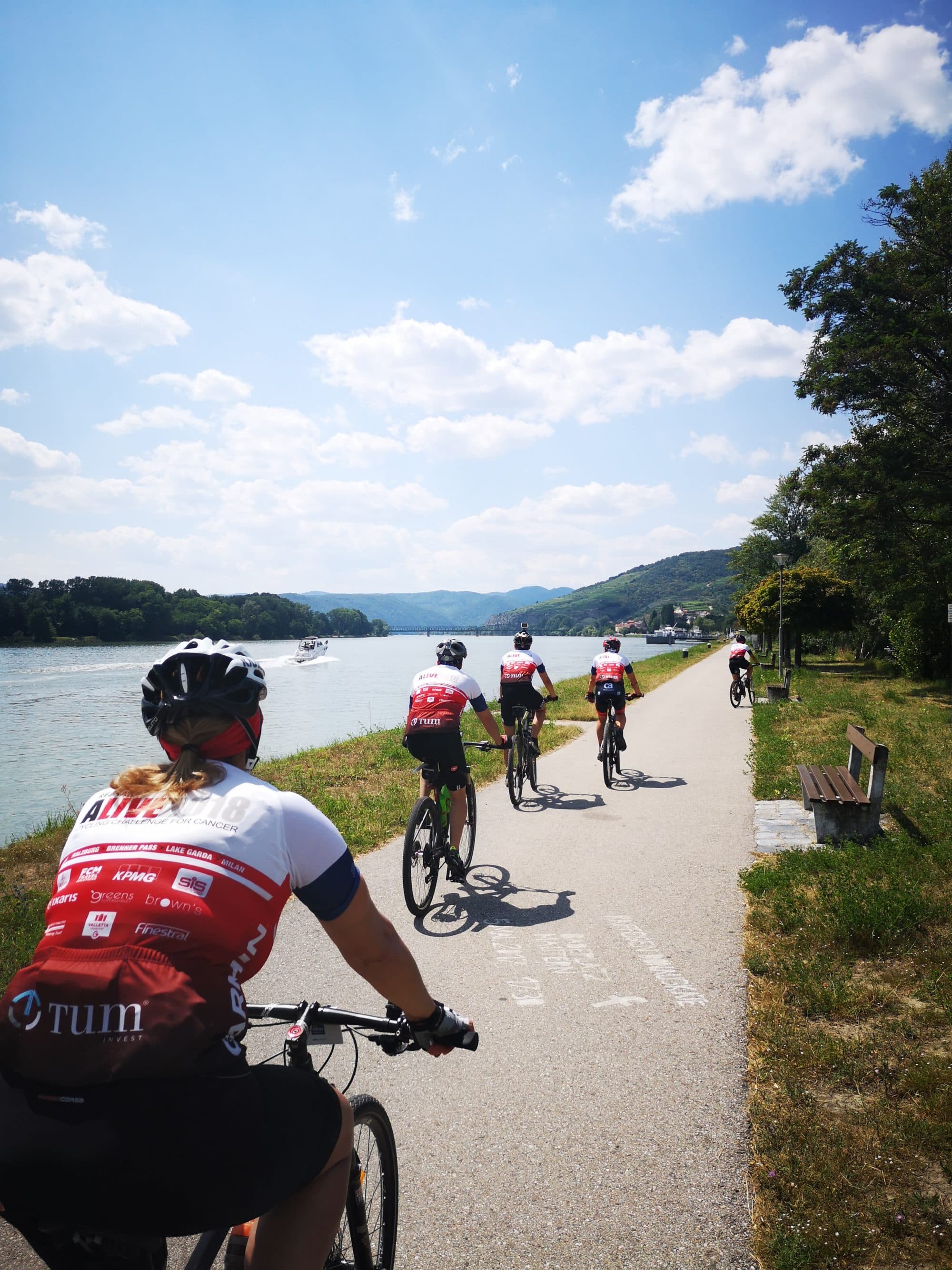
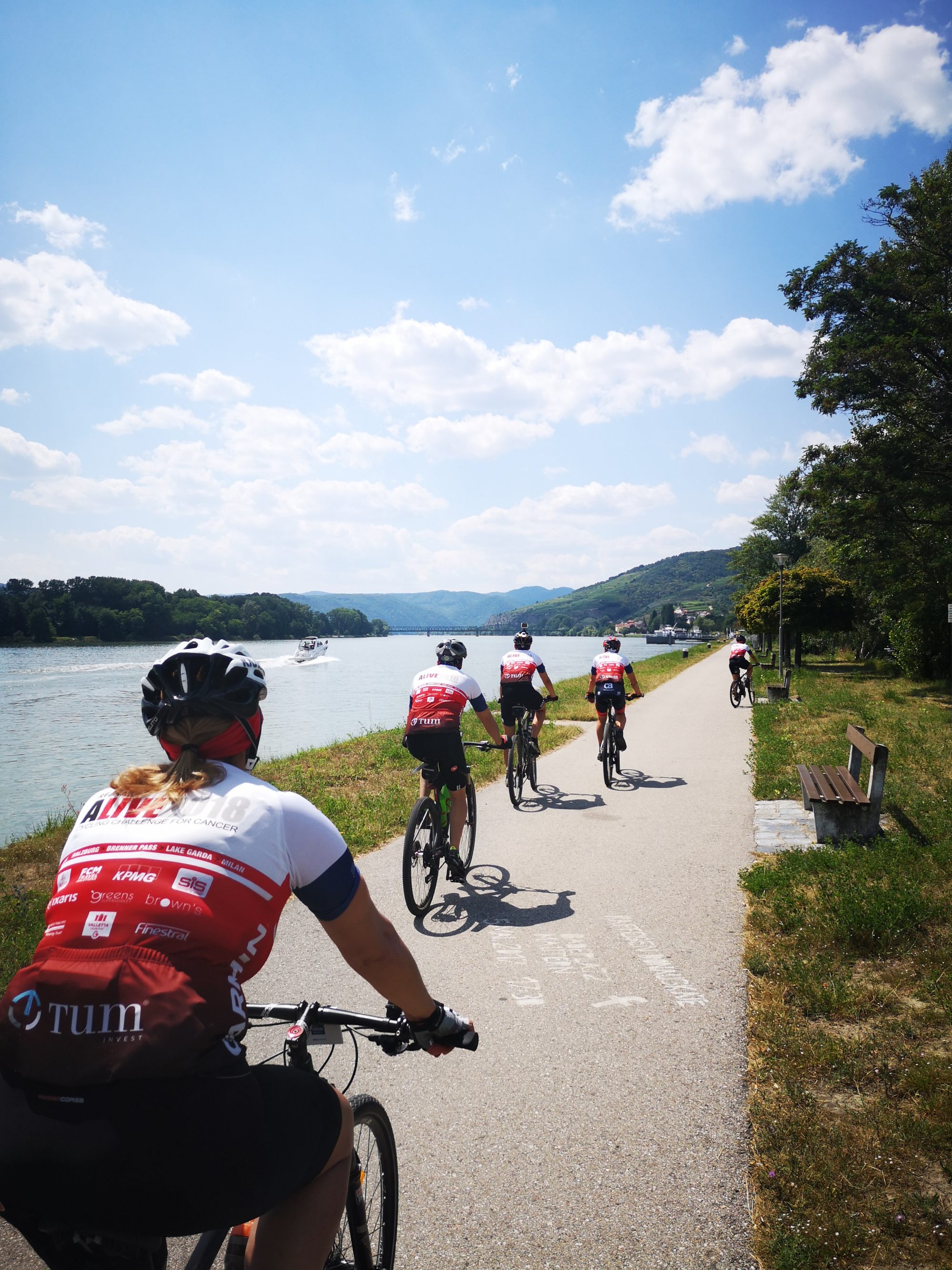
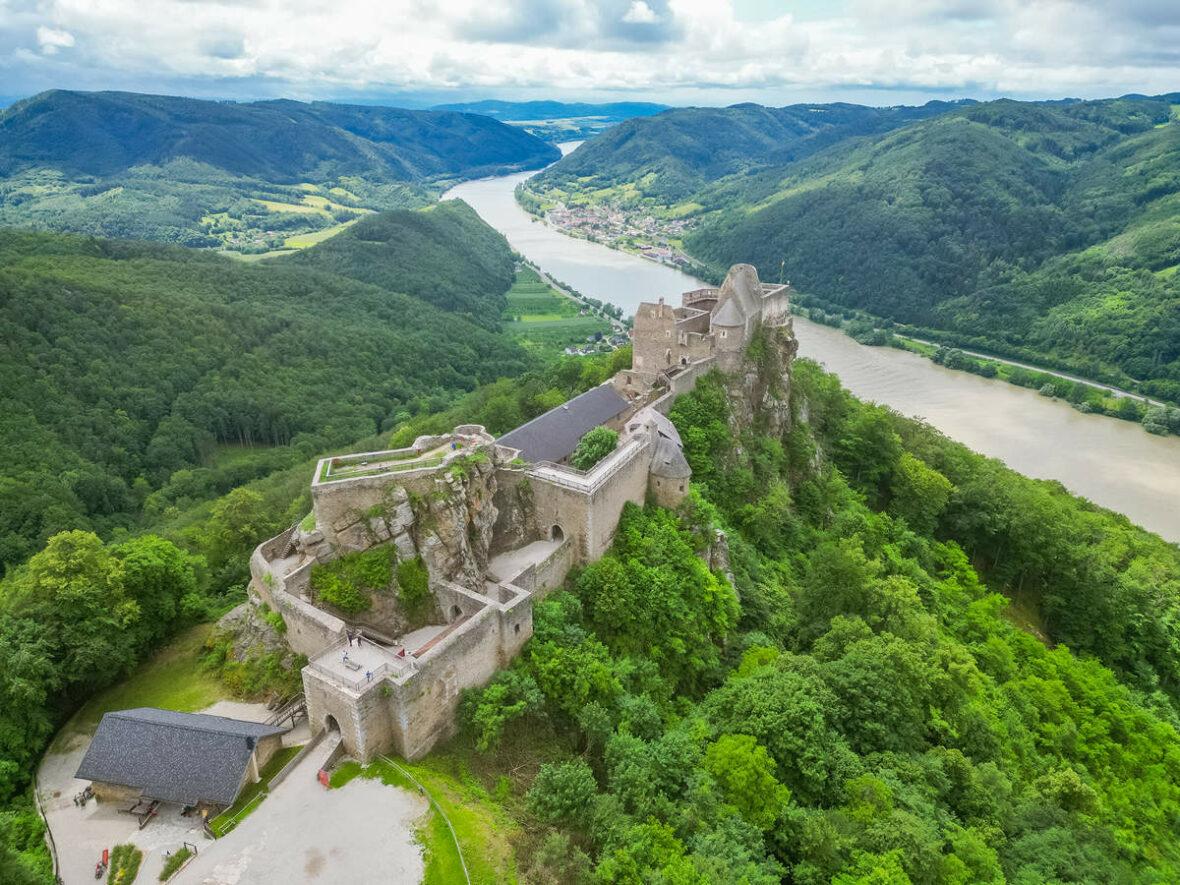
Daily routes range from approximately 18 to 62 miles and are supported by experienced cycling guides and a safety vehicle. Guests can use one of Riverside Mozart’s electric bicycles or bring their own bike, with storage available onboard. The rides follow different sections of the Danube Cycle Path and include some of the river’s most recognizable landscapes, from the 180-degree Schlögen Loop and the vineyards of the Wachau Valley to the Danube Bend north of Budapest. The Wachau section is likely to be one of the highlights. Guests can cycle between Melk and Dürnstein through one of Austria’s most celebrated wine regions, passing vineyards, villages, castles and historic sites along the way. Further east, the routes gradually shift towards the major capitals and historic towns of the former Austro-Hungarian world, creating an interesting contrast between rural cycling and more urban exploration in Vienna, Bratislava and Budapest.
What makes the concept particularly convincing is the flexibility built into it. Guests are not committing themselves to a conventional cycling tour in which every stage must be completed in order to reach the next hotel. Riverside Mozart continues sailing regardless, so anyone who decides to take a day away from the bike can remain onboard, join a Riverside Choice excursion or simply meet the rest of the group at the next port. If someone begins a ride and later decides not to continue, the support vehicle can transport both cyclist and bicycle onward. That may sound like a small detail, but it changes the character of the trip considerably. Active holidays can become quite rigid when everyone is expected to follow the same pace and itinerary. Here, cycling becomes an additional way of discovering the Danube rather than an obligation. It also makes the product much more attractive to couples or friends who do not necessarily share the same enthusiasm for spending several hours each day in the saddle. One guest can ride through the Wachau while the other explores a town, visits a museum or remains onboard, and both can still share dinner and the rest of the journey together.
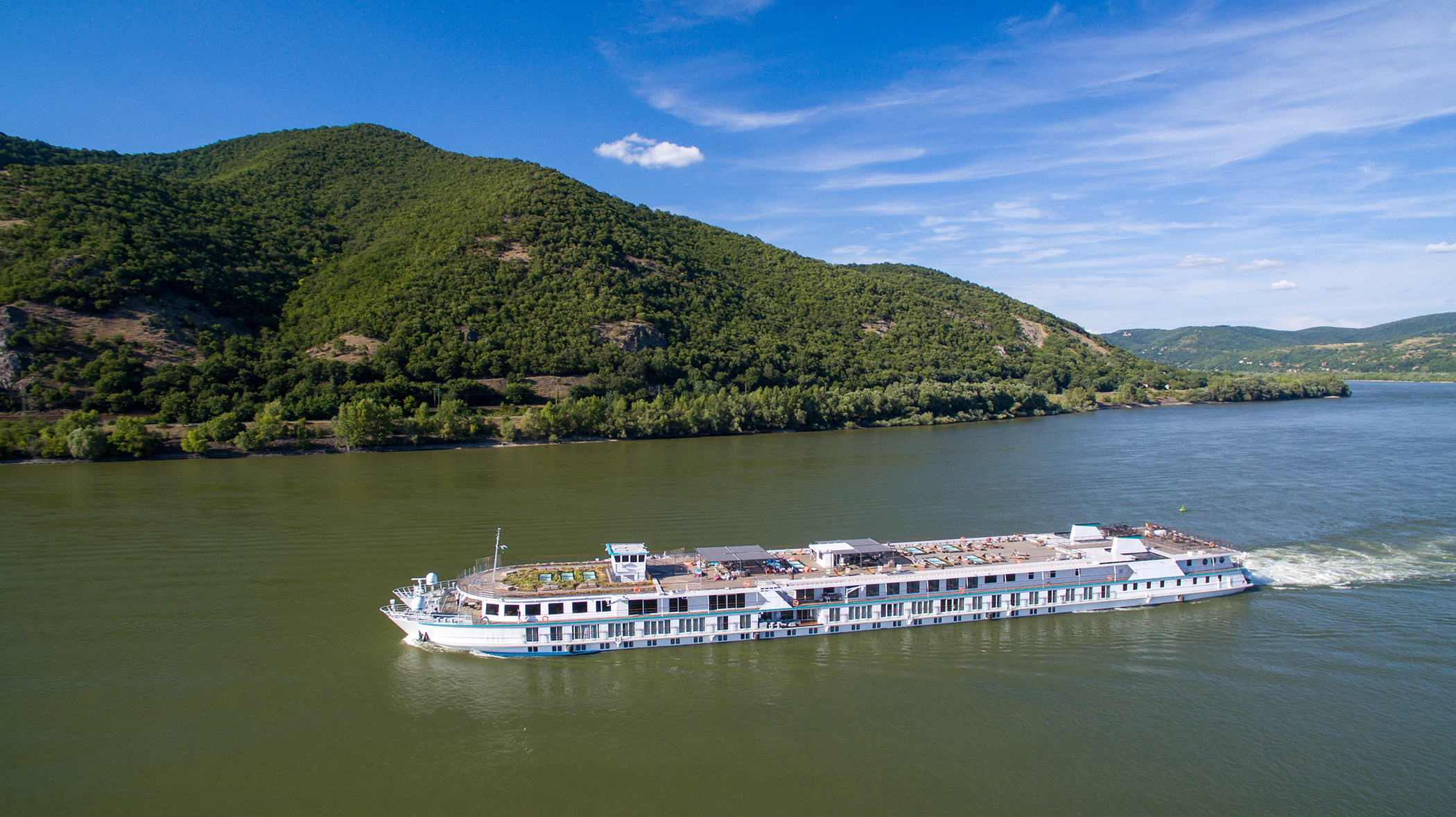
Riverside Mozart is particularly well suited to this kind of itinerary. The ship is considerably broader and more spacious than many conventional European river vessels and offers suites rather than standard cabins, with a generous amount of personal space across the accommodation categories. This becomes especially valuable after a long day outdoors, where the quality of the onboard environment is not a secondary detail but part of the overall experience. The wellness facilities also become more relevant on a cycling cruise than they might on a traditional river itinerary. Riverside Mozart features an indoor counter-current swimming pool, Jacuzzi, separate sauna and steam areas, treatment rooms and a substantial fitness centre equipped with Technogym equipment, free weights and stretching space. After several hours cycling, the opportunity to move directly from the bike to a pool, sauna or massage rather than packing and transferring to another hotel becomes a genuine advantage.
Dining is similarly varied. Riverside Mozart offers several restaurant concepts, including the Waterside main restaurant, Atelier, Blue Bar & Grill and the more exclusive Vintage Room, where tasting menus can be paired with selected wines. The culinary programme changes with the regions through which the ship is sailing, incorporating flavours inspired by Austria, Hungary and other parts of the Danube. For an active itinerary, that combination of serious cycling during the day and a sophisticated dinner in the evening is perhaps exactly where Riverside’s version of active luxury differs from a more conventional bike tour. Dietary flexibility is also built into the programme. Guests can provide information regarding allergies, preferences and food aversions before departure, with that information made available to the dining team during the cruise. Vegetarian and vegan options are identified, while allergens are marked across menus and buffet offerings. Again, it is not the most glamorous aspect of a luxury product, but it becomes especially useful on an itinerary where guests may be riding substantial distances and need greater control over what they eat.
The full 14-night journey also includes one of Riverside’s more distinctive cultural experiences: an after-hours visit to Vienna’s Belvedere Palace, featuring a private musical performance and the possibility of seeing Gustav Klimt’s The Kiss without the usual daytime crowds. The inclusion provides a useful reminder that these cruises are not being positioned purely around cycling. The bicycle is the principal means of active exploration, but the product remains firmly within the wider framework of a luxury Danube journey. From a broader perspective, the new sailings also reflect an interesting direction within river cruising. Active excursions are hardly new, and bicycles have been available on many river ships for years. What is changing is the extent to which operators are building entire departures around a specific interest rather than simply adding optional activities to a standard itinerary. Cycling, golf, gastronomy and other themed departures are becoming increasingly effective ways of differentiating river products that otherwise operate along many of the same waterways and visit many of the same cities.
Riverside’s approach is particularly well judged because it avoids going too far in either direction. The programme is structured enough to appeal to serious cyclists, with daily guided routes and substantial distances available, but flexible enough that guests are never trapped by the sporting element. In my view, this is exactly where the concept becomes interesting: it is not really a cycling holiday with a ship attached to it, nor simply a luxury cruise offering a few bike excursions. It genuinely sits somewhere between the two.
For Riverside Luxury Cruises, the three 2027 departures therefore add more than another themed itinerary to the schedule. They demonstrate how the luxury river cruise experience can be made more active without losing the comfort, freedom and individuality that guests expect from the segment. And on the Danube, with one of Europe’s best-known long-distance cycle routes following the river for hundreds of miles, the combination feels particularly natural.
Gabriele Bassi