
TradeWinds Luxury Vacations is expanding its portfolio of small-yacht experiences with an all-inclusive sailing itinerary through Panama’s Bocas del Toro archipelago, offering travelers access to one of the country’s most remote and naturally diverse coastal regions.
Far from the engineering landmarks and urban centers more commonly associated with Panama, the journey focuses on the country’s northwestern Caribbean coast, where scattered islands, mangrove forests, coral reefs and small communities create an environment best explored from the water.
Often described by TradeWinds as a modern-day “Lost World,” Bocas del Toro is formed by a collection of palm-lined islands, sheltered lagoons, wetlands and largely undeveloped beaches, many of which are difficult or impossible to reach by road. The archipelago’s geography makes it particularly suitable for yacht travel, allowing guests to move between quiet anchorages, marine reserves and isolated stretches of coastline without depending on conventional ports or fixed shore infrastructure.
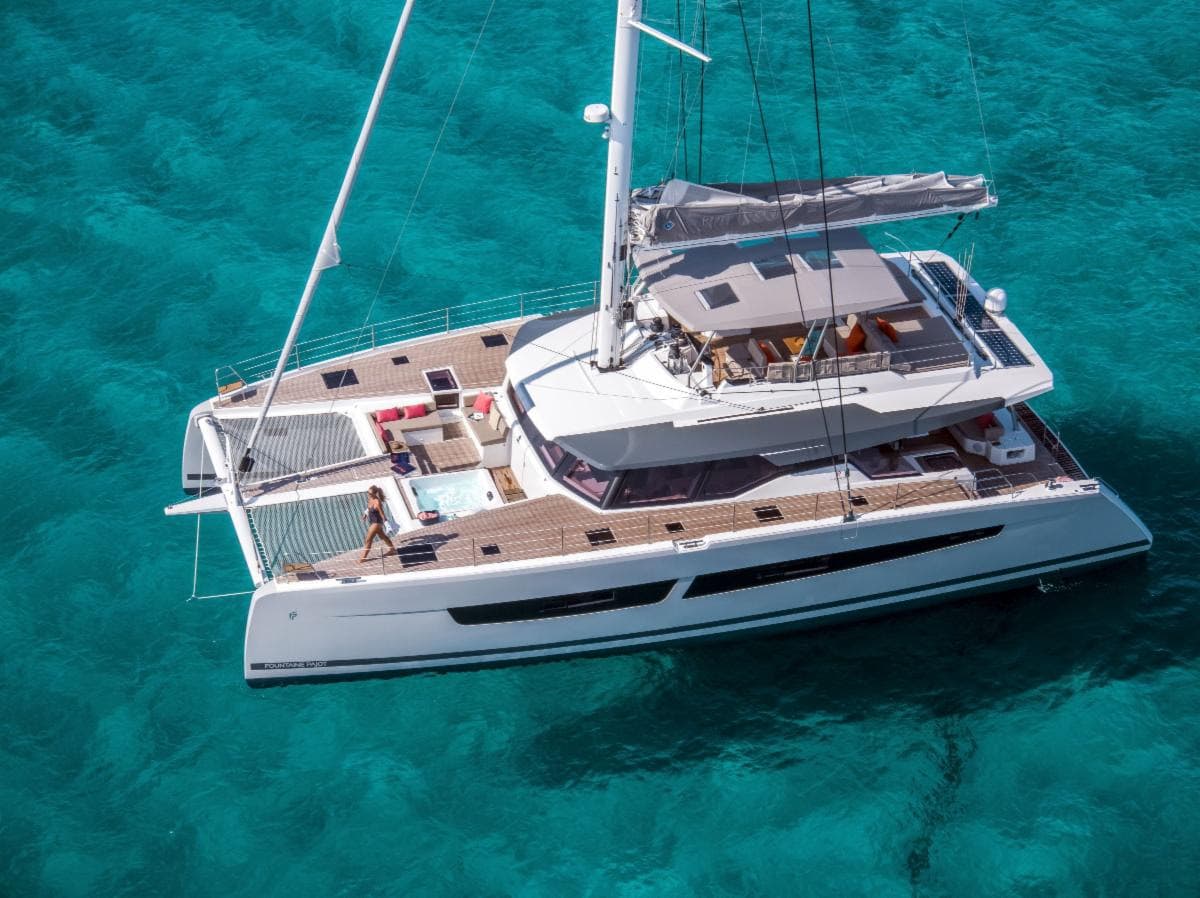
The experience is operated aboard a fully crewed catamaran carrying no more than 10 guests. This small-scale format allows the itinerary to remain flexible, with the captain and crew adjusting routes and activities according to weather, sea conditions and the interests of those onboard. Rather than following a rigid schedule, each sailing can combine wildlife encounters, water sports, cultural visits and periods of relaxation, creating a more personalized alternative to traditional cruising.
According to TradeWinds President Neil Parsons, the destination reflects the original philosophy behind the company’s yacht vacations: freedom of movement, access to places that remain largely untouched and a closer connection with the surrounding environment. Although Bocas del Toro feels remote once guests are among the islands, the region remains relatively accessible for travelers arriving from North America, making it possible to combine a sense of isolation with manageable international travel connections.
Days aboard can be shaped around different levels of activity. Guests may snorkel among coral formations known as the Hanging Gardens, arrange scuba-diving excursions near reef-fringed cays or swim directly from secluded beaches. Fishing opportunities include yellowfin tuna, wahoo and mahi-mahi, while kayaks and paddleboards provide a quieter way to explore mangrove channels, protected lagoons and shallow coastal waters.
The itinerary also extends beyond the marine environment. Guided excursions may take guests into the tropical forest in search of monkeys, sloths and birdlife, while other visits can include waterfalls, local chocolate farms, indigenous communities and small island settlements where Panamanian and Caribbean traditions intersect. These encounters are intended to provide greater context to the destination, connecting the natural landscape with the people and cultures that have developed around it.
One of the region’s principal attractions is Parque Nacional Marino Isla Bastimentos, an extensive protected area encompassing coral cays, mangrove forests, wetlands and tropical islands. Its varied habitats support caimans, monkeys, sloths, reptiles and numerous species of marine and bird life. The park forms an important part of the archipelago’s ecological identity and offers guests the opportunity to explore a landscape where terrestrial and marine ecosystems are closely connected.
The Zapatilla Cays are another important stop within the wider itinerary. Their white-sand beaches serve as nesting grounds for endangered hawksbill turtles, while the surrounding waters are known for coral formations and marine biodiversity. Elsewhere, Bluefield Lagoon provides opportunities for swimming, visits to nearby waterfalls and informal beach gatherings, including barbecues organized by the crew when conditions allow.
Not every day is designed around structured activity. The flexible nature of the voyage leaves room for quieter experiences, such as walking through tropical forest to a beach accessible only by boat, spending time in a small coastal town, listening to the rainforest from the water or watching the night sky from the catamaran’s deck. The absence of a tightly fixed timetable is central to the itinerary, allowing the crew to respond to local conditions while maintaining a balance between exploration and relaxation.
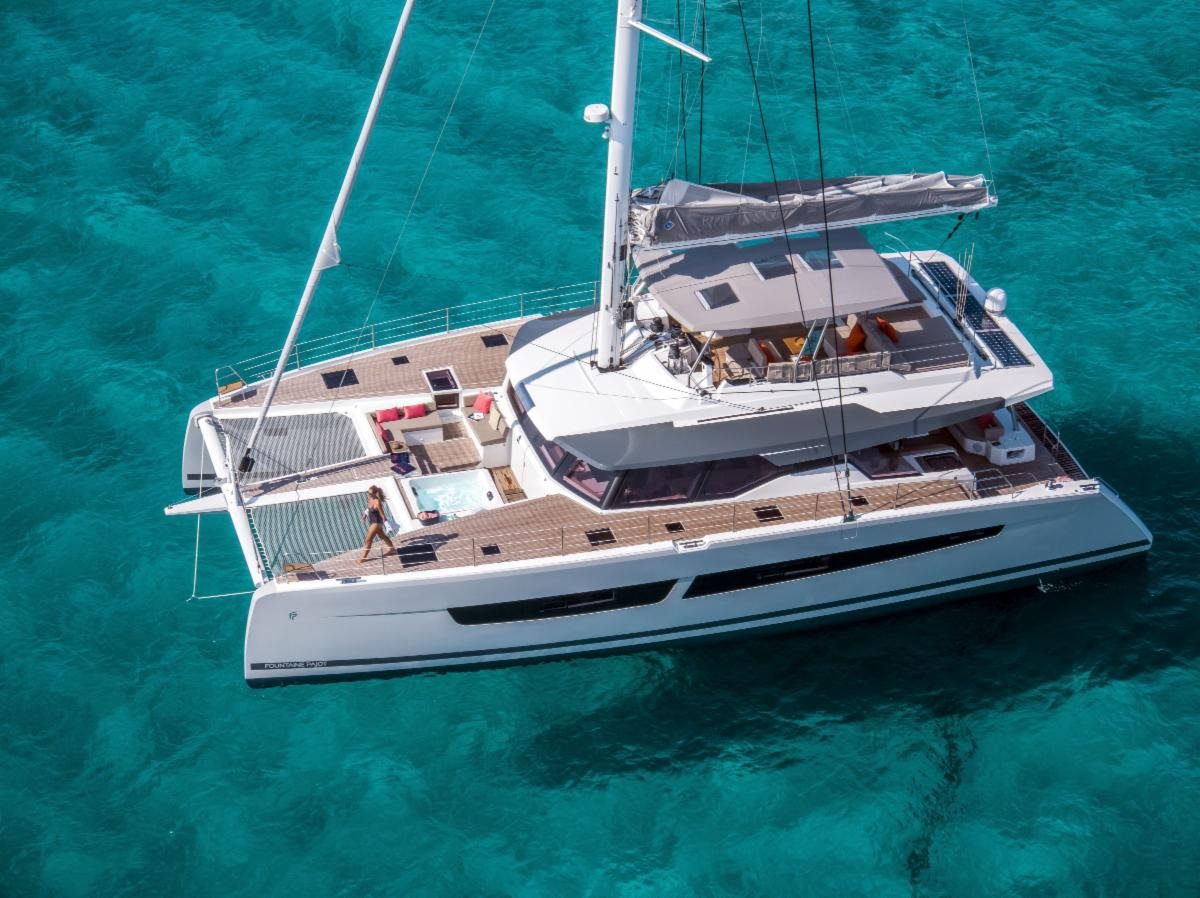
Accommodation, meals, alcoholic and non-alcoholic beverages and a selection of daily activities are included in the vacation. The all-inclusive format is designed to remove the need for continuous planning once guests are onboard, while the small number of passengers allows meals and service to be adapted to individual preferences. The captain and chef play a central role throughout the journey, combining navigation, hospitality and local knowledge in a way that is more personal than on a larger vessel.
TradeWinds’ approach to Bocas del Toro also reflects its emphasis on lower-impact tourism. The company promotes environmentally conscious exploration, uses non-toxic and eco-friendly cleaning products and incorporates environmental education into its guest experience. Its small-yacht model is intended to reduce pressure on sensitive destinations while supporting local communities through visits, partnerships and locally based activities.
The company also stresses that the published itinerary should be viewed as a framework rather than a fixed sequence of stops. Weather patterns, water conditions and local circumstances may influence the order and availability of excursions, but this flexibility is presented as one of the voyage’s defining strengths. By avoiding a rigid port-by-port schedule, the sailing can adapt to the natural rhythm of the archipelago and offer guests access to locations that larger cruise vessels cannot reach.
For travelers seeking a more intimate form of Caribbean cruising, Bocas del Toro offers a combination of biodiversity, cultural encounters and remote island scenery. TradeWinds’ fully crewed catamaran format places the emphasis on access and adaptability, transforming the yacht into both a means of transportation and a base for exploring Panama’s lesser-known Caribbean coast.
Gabriele Bassi