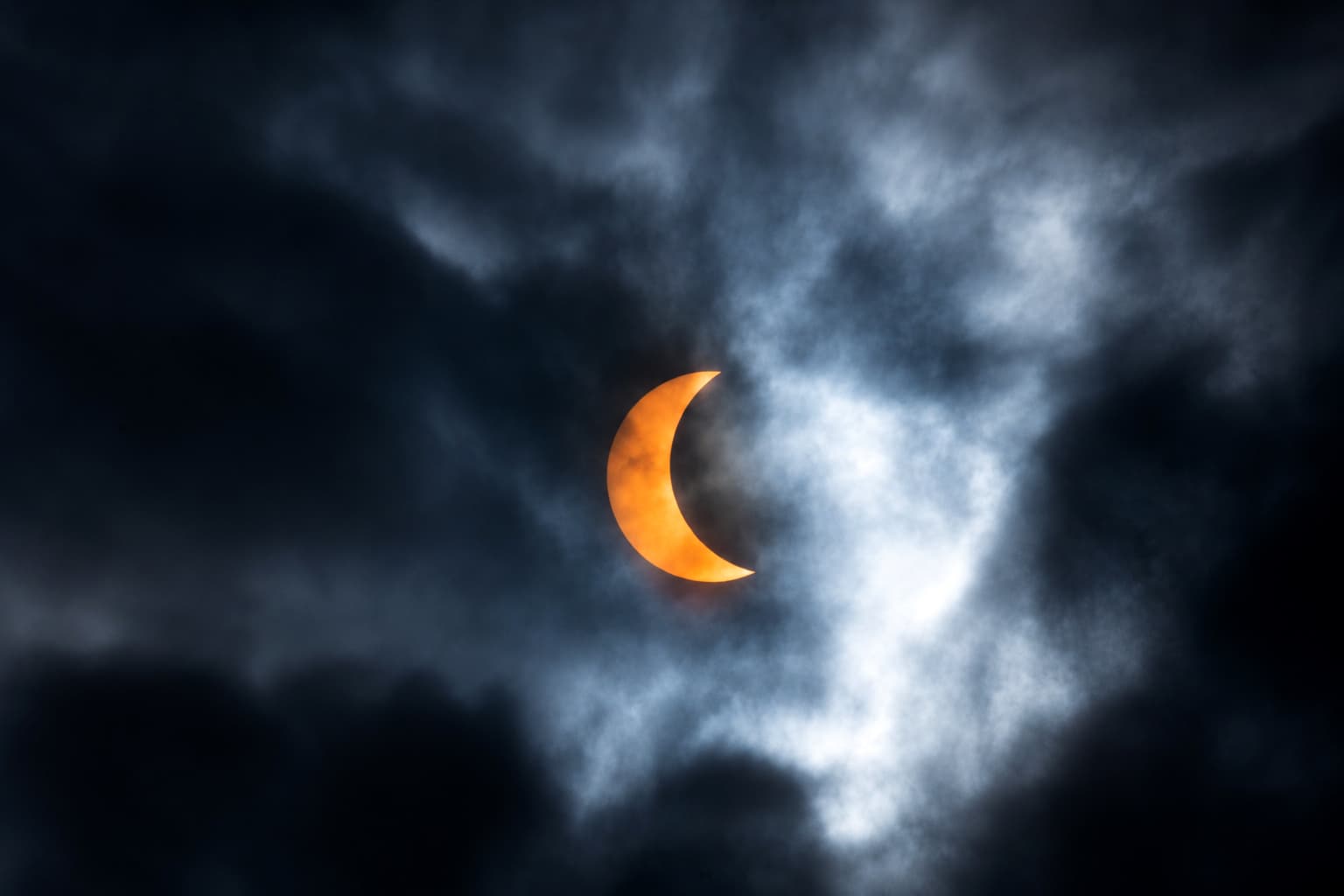
The total solar eclipse of August 12, 2026, transformed the sky over parts of the Northern Hemisphere into an extraordinary spectacle for several minutes.
From the Arctic to Greenland, from Iceland to northern Spain, the path of totality offered observers and astronomy enthusiasts the opportunity to witness one of the most fascinating and rare natural phenomena.
An event of this magnitude found a particularly spectacular vantage point at sea. Several cruise lines planned itineraries designed to take their guests to the areas offering the best viewing conditions, turning the voyage itself into a genuine astronomical experience. Companies such as Scenic, Cunard and Quark Expeditions experienced the eclipse from different perspectives, but with one element in common: giving passengers the opportunity to witness totality directly from the decks of their ships.
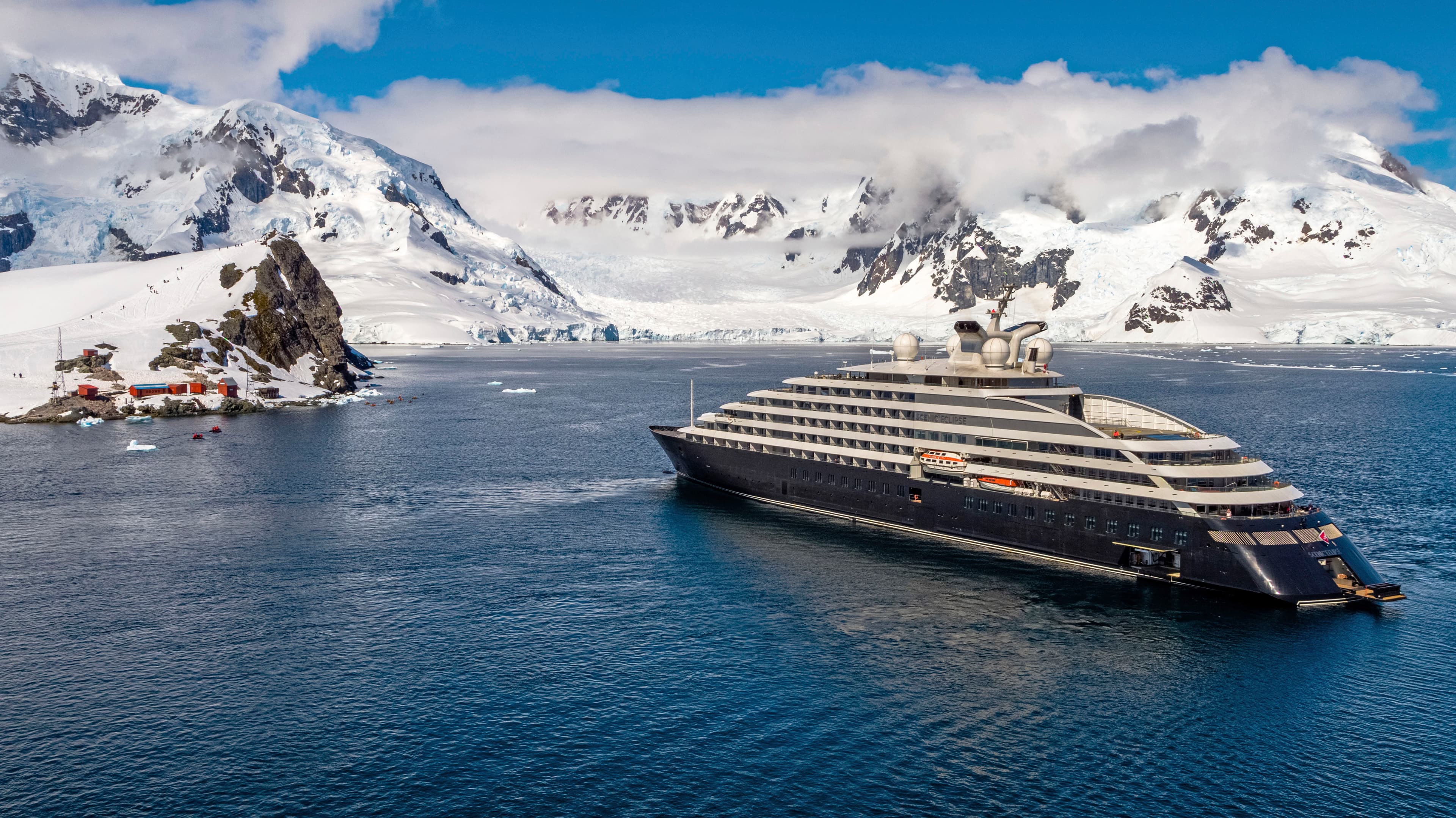
For Scenic Eclipse, the eclipse took place during the 15-day expedition Wonders of the High Arctic: Greenland & Iceland, from Oslo to Reykjavík. The Discovery Yacht was positioned off the coast of East Greenland, offering guests a privileged vantage point as the Moon passed in front of the Sun. The event was captured by Scenic’s Arctic videographer Tino Raimondi, who documented the phenomenon directly from aboard the Discovery Yacht.
The experience was enhanced by the presence of Scenic’s Discovery Team, which accompanied guests while they observed the phenomenon and during their journey through the High Arctic.
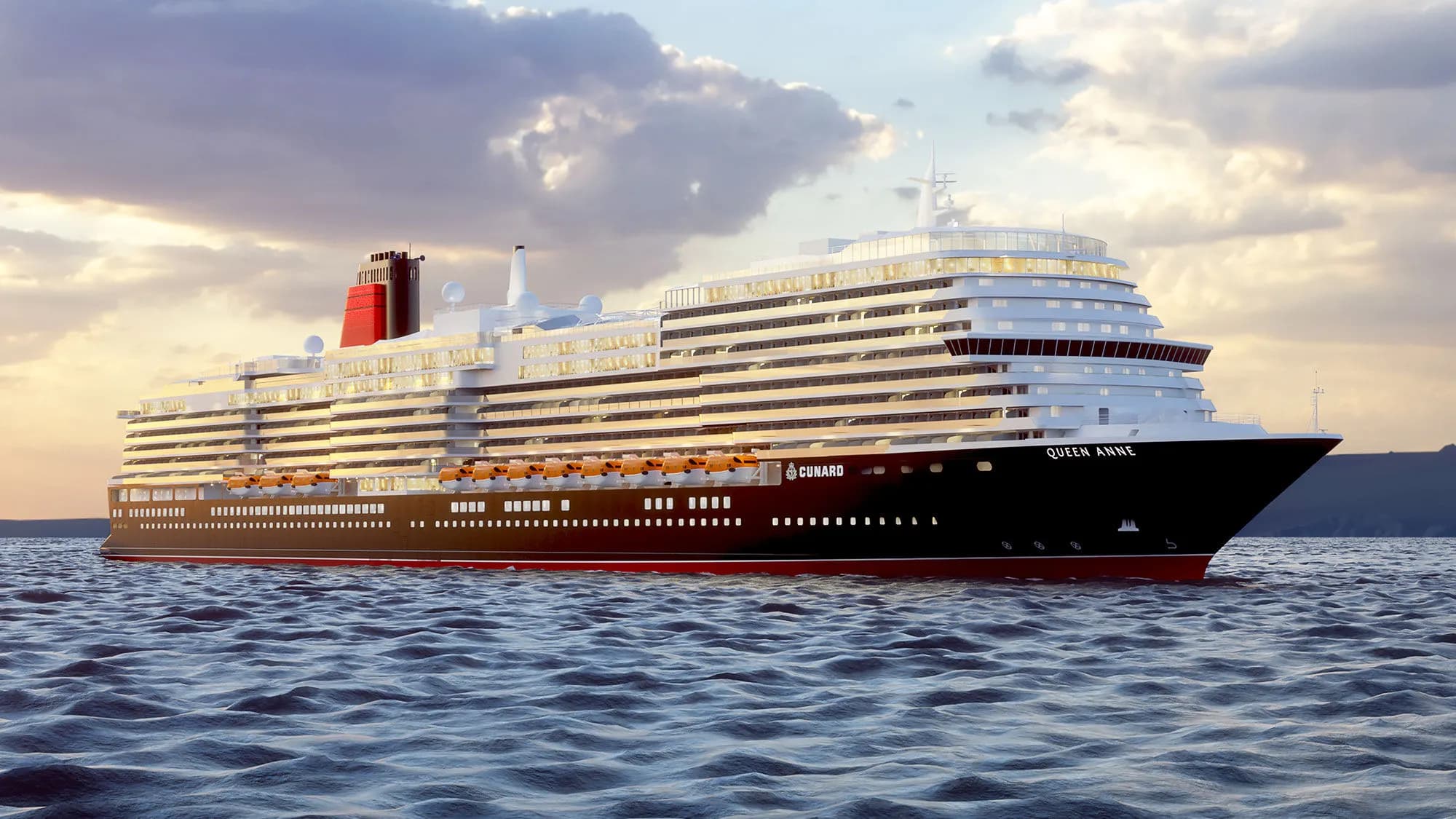
A completely different perspective was offered by Cunard. Aboard Queen Anne, guests witnessed the eclipse during a seven-night roundtrip cruise from Southampton.
The ship was positioned off the coast of north-west Spain, in an especially favorable location for observing the Moon passing in front of the Sun. Images captured on board documented the moment when daylight gave way, for a few brief moments, to the darkness of totality.
For Cunard, the eclipse experience is also part of a broader offering dedicated to astronomy. The cruise line is already looking ahead to the next total solar eclipse on August 2, 2027, when two of its ships will be positioned in prime viewing locations. Queen Victoria will be in Tangier, Morocco, during a 14-night voyage through Portugal, Spain and Morocco, while Queen Elizabeth will sail from Valletta, Malta, to Split, Croatia, as part of a 14-night Mediterranean and Adriatic itinerary.
An even more extreme experience was offered by Quark Expeditions, a company specializing in expeditions to the polar regions.
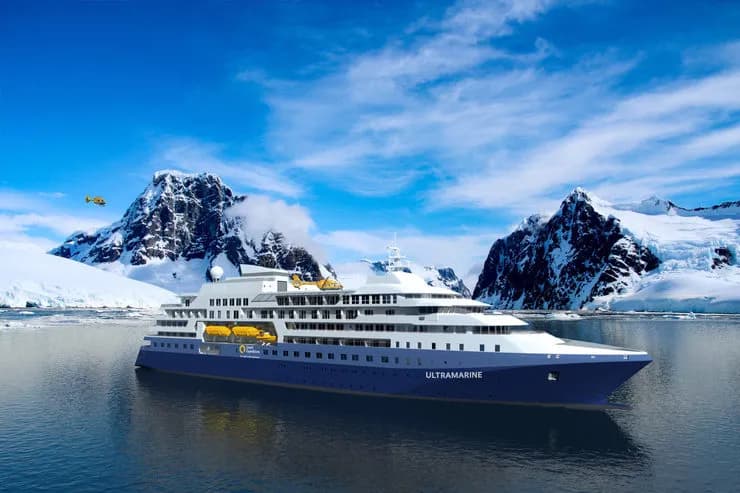
The Ultramarine and Ocean Explorer reached Harefjord, one of the innermost branches of Scoresbysund in East Greenland. It was an exceptionally privileged position, placing guests closer to the center line of the path of totality than almost any other observers on the planet.
Here, the eclipse reached approximately two minutes and 15 seconds of totality. Guests were able to witness the phenomenon from the ships’ decks, accompanied by astronomy experts and specialist guides.
Aboard Ultramarine was David Baron, science journalist and author of American Eclipse, witnessing his tenth total solar eclipse and his first in the High Arctic. During the expedition, he also delivered a presentation dedicated to the history and science of eclipses.
On Ocean Explorer, guests were joined by Michael Zeiler, eclipse cartographer and founder of EclipseAtlas.com, who explored topics including observational astronomy, celestial mechanics and eclipse prediction.
The experience was complemented by Quark Expeditions’ new Guided Photography Program, designed to assist passengers in capturing images of the eclipse and the surrounding polar landscape. Photographers Scott Sinton and Stephen Bradley worked with guests aboard Ultramarine and Ocean Explorer, respectively.
The experiences offered by Scenic, Cunard and Quark Expeditions demonstrate how an eclipse can become much more than a moment of observation. The sea becomes a privileged platform from which to pursue astronomical phenomena that can be difficult to observe from land. A ship can move along the eclipse path, seeking favorable conditions and viewing locations while simultaneously making the observation an integral part of a broader journey.
What emerges from these experiences is also a different way of conceiving a cruise. No longer simply a succession of destinations, but a journey built around an unrepeatable event, capable of shaping the route and the program of the voyage.
For those who were unable to witness the 2026 eclipse, the sky will offer another opportunity as early as 2027. The next major event will take place on August 2, 2027, when the path of totality will once again cross Spain, North Africa and the Middle East. Totality will last for up to approximately 6 minutes and 22 seconds, making the event one of the most eagerly anticipated by astronomy enthusiasts and travelers alike. Several cruise lines have already planned itineraries specifically designed to reach the best viewing locations.
Giorgia Lombardo