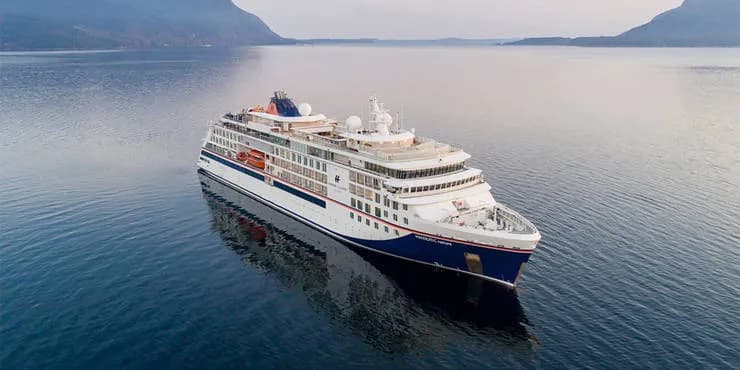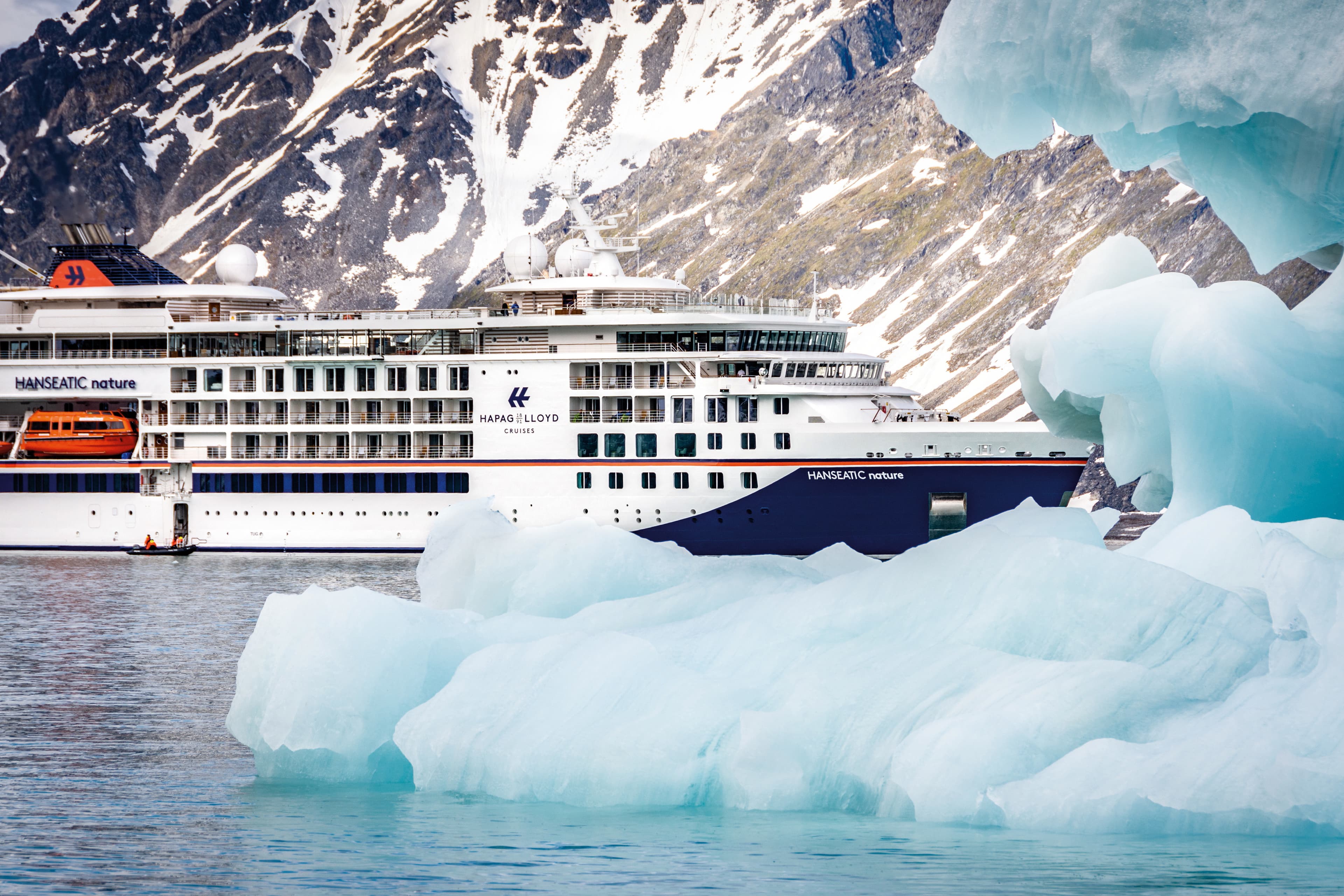
For most travellers, the deep silence of an Arctic landscape — broken only by shifting pack ice or a whale surfacing beside a Zodiac — is the whole point of an expedition cruise. For a growing number of children sailing with Hapag-Lloyd Cruises this season, it's something closer to a classroom.
The German line's "Young Explorers" program is currently running at full tilt on select Arctic sailings to Iceland, Svalbard and Greenland, putting children and teenagers aged 10 to 17 face to face with polar science in the most literal way possible — not through textbooks, but through plankton under a microscope, glaciers calving in real time, and the occasional walrus hauled out on the ice. Aboard the line's three small expedition ships, HANSEATIC nature, HANSEATIC inspiration and HANSEATIC spirit, nature itself becomes the instructor.
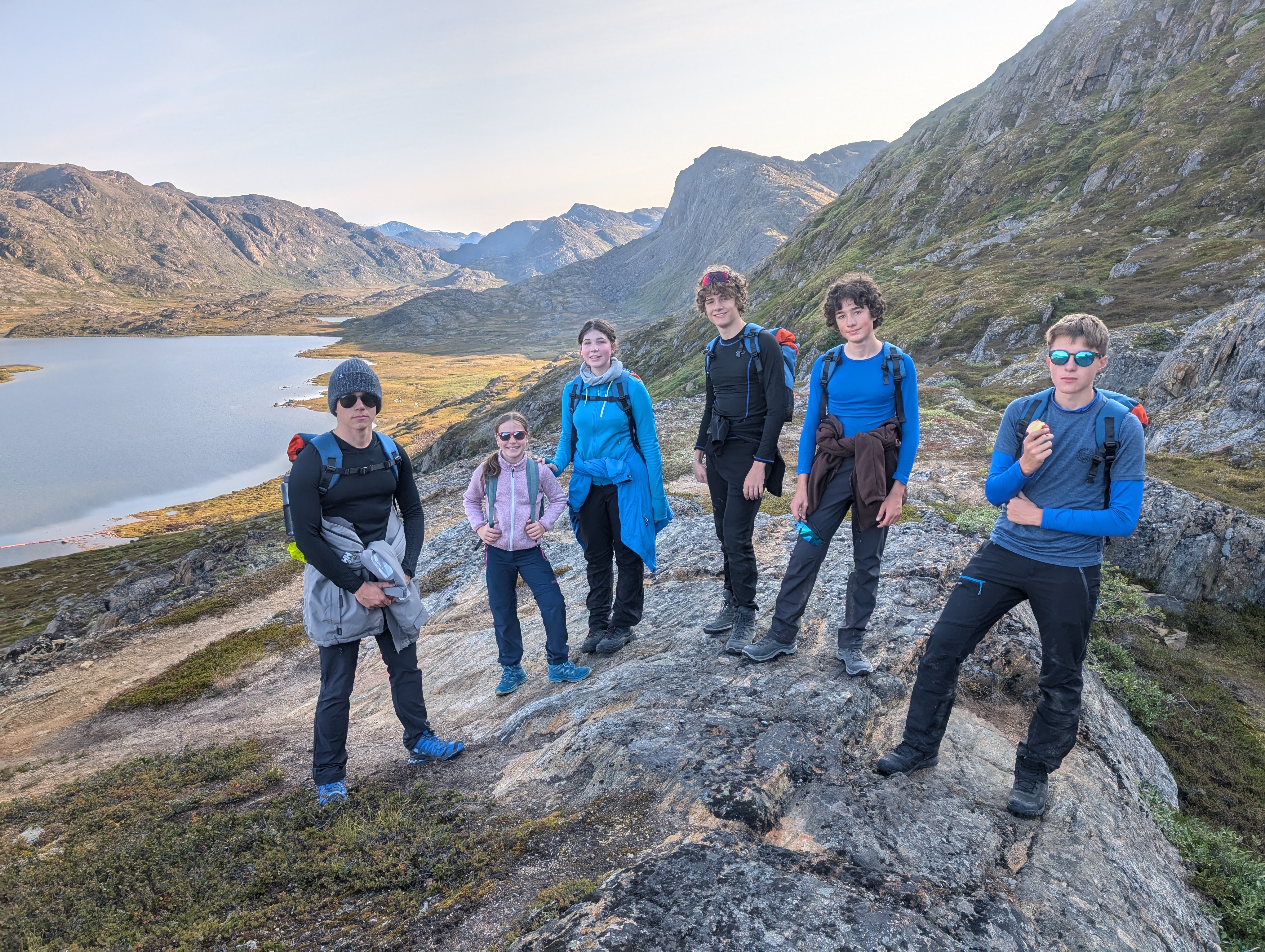
The mechanics of the program are, by design, unscripted. Zodiacs weave between icebergs; hikes cut across Greenland's raw, glacier-carved landscape; and with some luck, walruses and seals appear close enough to watch for extended stretches. Weather, ice conditions and local permitting authorities ultimately dictate how each day unfolds — a reminder that in the Arctic, the itinerary answers to the environment, not the other way around.
Guiding the young guests through all of this is a team of expedition specialists, including glaciologist Benjamin Schröter, who has built a career translating the mechanics of oceans, glaciers and polar regions into something a ten-year-old will actually lean forward for. His approach leans hard on firsthand experience over lecture-hall explanation. Children want to experience things themselves, he says — and the moment they see a glacier, or watch a whale for the first time, that memory tends to stay with them for good. It's the reaction he's really working for: a child turning to him at the end of the day and calling it the best day of their life. That, he says, is exactly why he does this job.
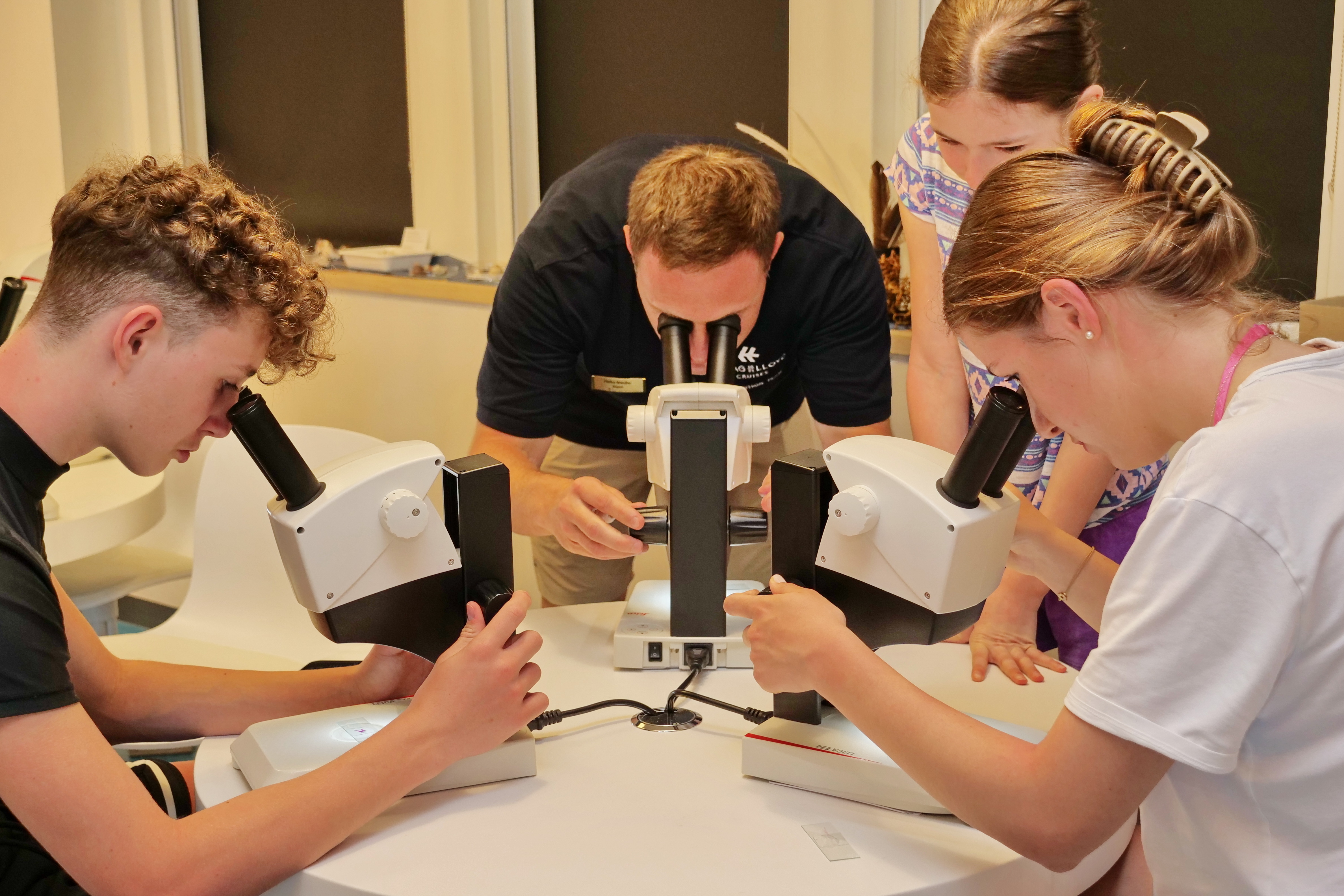
Young Explorers is designed to run alongside Hapag-Lloyd's adult-facing expedition programming rather than replace it, shaped around what actually interests kids rather than a fixed curriculum, and it requires a minimum of five young participants to activate on any given sailing. Some days centre on examining plankton samples under the microscope in the ship's Ocean Academy; others send the group ashore for exploratory hikes, or behind the scenes of the expedition ship itself — engine rooms, bridge visits, the operational machinery most passengers never see. Conversations about glaciers and the fragility of polar habitats tend to surface naturally along the way, without ever feeling like a lesson plan.
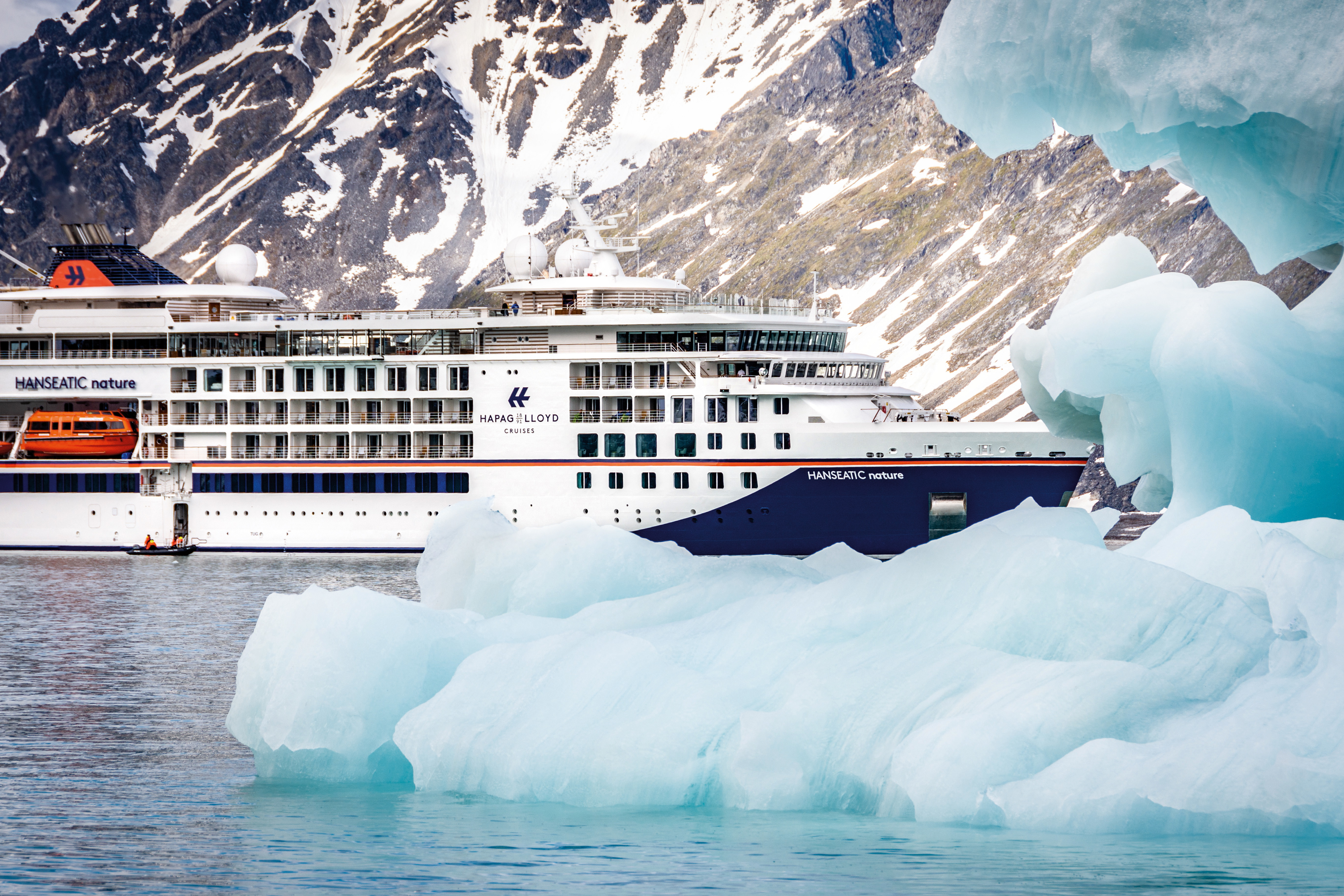
For Isolde Susset, Managing Director of Hapag-Lloyd Cruises, the program's real value sits somewhere deeper than entertainment. She frames curiosity as the core of any expedition — the willingness to ask questions and see the world differently — and argues that children who learn early just how fascinating, and how fragile, the natural world really is tend to carry that awareness with them into adulthood. There's a social dividend too: many children come home not just with photographs of glaciers, but with friendships formed on board that outlast the voyage itself.
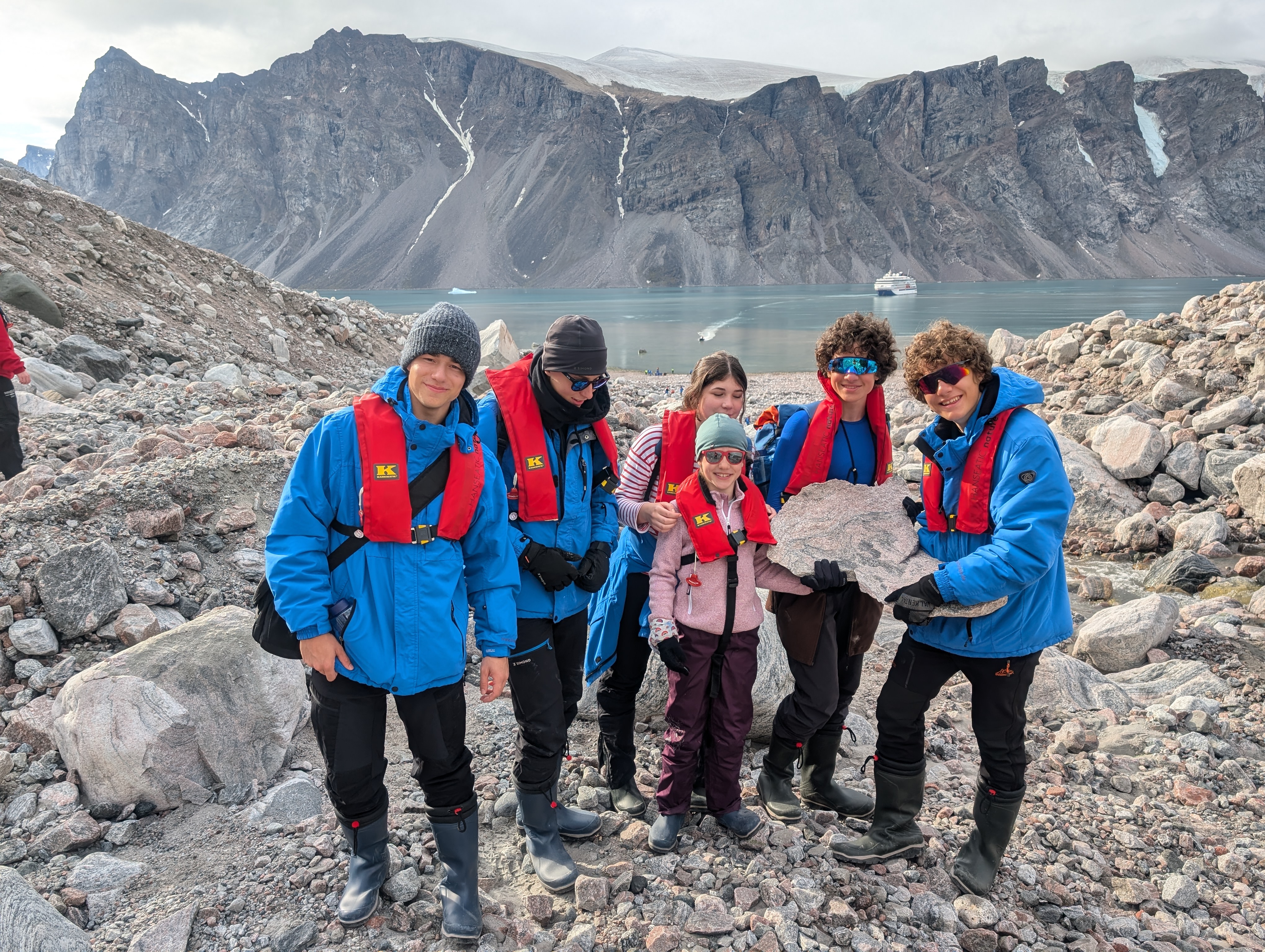
The Arctic season is only one chapter of a considerably larger program. Hapag-Lloyd currently has 19 Young Explorers departures scheduled through the end of 2028, spread across school holiday periods and spanning a striking range of climates and latitudes — from Northern Lights expeditions in Norway and voyages around Svalbard, to sailings toward Newfoundland and the St. Lawrence River, and explorations of the Azores. Near or far, warm or cold, the throughline is consistent: expedition cruising built specifically around a young audience's capacity for wonder, rather than simply tolerating their presence on an adult itinerary.
It's a notable bet in an industry segment — polar and expedition cruising — that has historically skewed toward an older, more specialised clientele. But Hapag-Lloyd's wager here seems to be that the Arctic doesn't need to be dumbed down for a younger audience; it just needs a guide willing to meet a ten-year-old's curiosity where it actually lives — at the microscope, on the Zodiac, or nose-to-glass against an iceberg drifting past the observation deck.
Gabriele Bassi