
A Michelin Key, a place on TIME’s World’s Greatest Places and recognition from Condé Nast Traveler and Travel + Leisure are turning a ten-cottage farm outside Jodhpur into one of the most distinctive hospitality stories to emerge from India in 2026.
Mharo Khet, an experiential farm retreat on the outskirts of Jodhpur, has been awarded One MICHELIN Key in the 2026 MICHELIN Guide, adding another important international recognition to a property whose idea of luxury is rooted less in grandeur than in land, food, people and a strong sense of place. The award is particularly significant in Rajasthan, a destination traditionally associated with palace hotels, heritage residences and monumental architecture, because Mharo Khet deliberately follows a different path, building its identity around rural life, agricultural rhythms and contemporary Indian design.
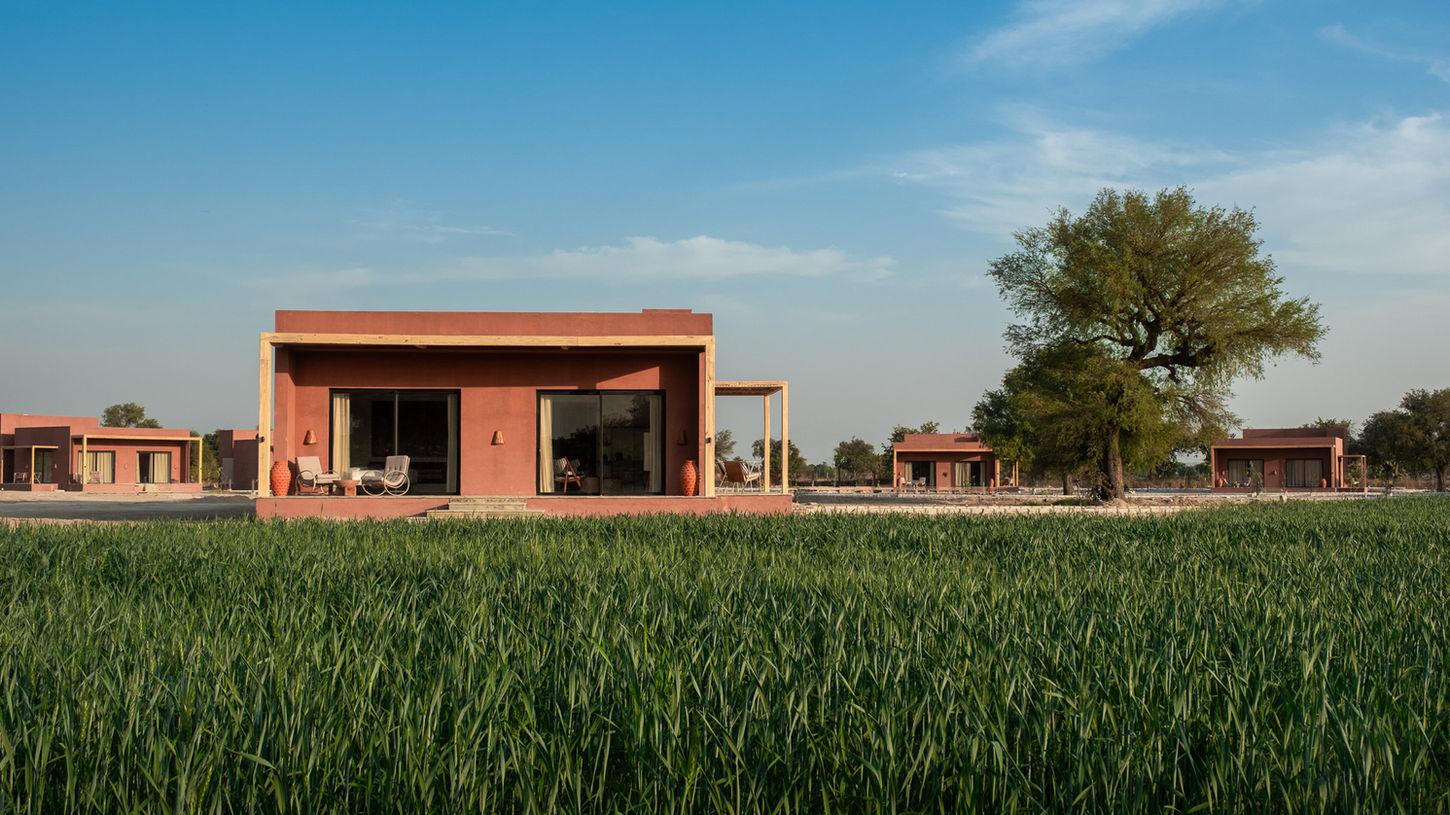
Set across 40 acres of farmland in the arid landscape surrounding Jodhpur, the retreat consists of just ten handcrafted cottages surrounded by fields, orchards and more than 110 varieties of crops and herbs. Mharo Khet means “my farm” in Marwari, and the property began as a working family farm before evolving into a hospitality concept, while continuing to operate as a farm today. Guests are therefore invited not simply to observe an agricultural landscape but to become part of it, understanding how the land works and how the produce grown there shapes the wider guest experience.
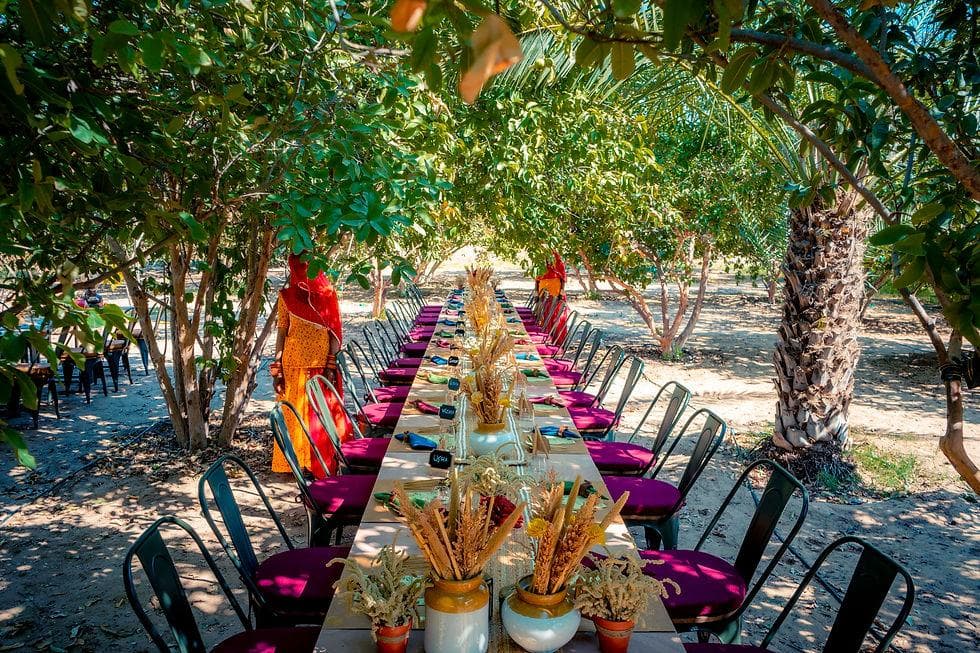
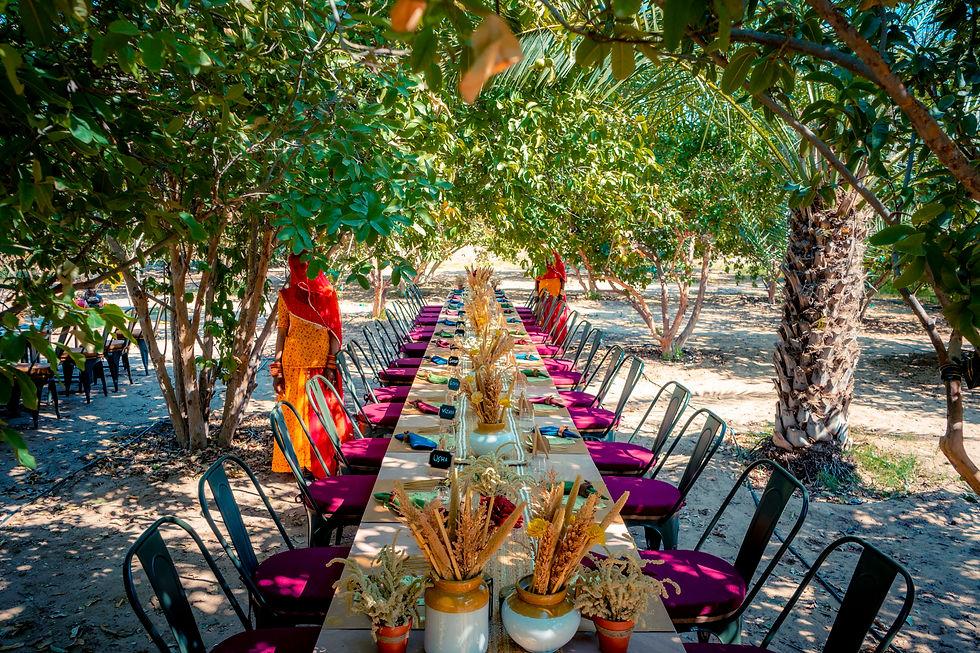
Food is central to that philosophy. Guests can select and harvest produce before taking part in its preparation, creating a direct connection between field, kitchen and table. The retreat’s three dining concepts interpret that relationship in different ways: Aab offers a relaxed poolside setting, Samaa serves as the all-day restaurant and bar with a broader exploration of Indian flavours, while Paeru provides the most immersive experience, with a nine-course, plant-forward menu served in the guava orchard and shaped by the farm’s seasonal abundance.
From a hospitality-business perspective, Mharo Khet is interesting precisely because the farm is not simply a backdrop but the core of the product. Agriculture informs the cuisine, the guest activities, the design language and the narrative of the stay, while walking tours, seasonal farming experiences, cooking classes, traditional crafts, wellness rituals and private performances by Manganiyar musicians connect guests with the wider cultural life of western Rajasthan. This gives the retreat a level of specificity that is increasingly valuable in a luxury sector where properties often share similar design references, concepts and vocabulary.
The MICHELIN Key also arrives during an exceptional year for Mharo Khet, which has already been named one of TIME’s World’s Greatest Places, selected for the Condé Nast Traveler Hot List and included in the Travel + Leisure It List. Taken together, these recognitions suggest a broader shift in how Indian luxury hospitality is being perceived internationally, with growing interest in smaller, more personal and more grounded experiences alongside the country’s established palace hotels and major luxury brands.
Co-Founder Rajnush Agarwal described the recognition as particularly meaningful because the hospitality concept “has grown directly from this land”, crediting not only the hotel team but also the farmers, cooks, craftspeople and local community who shape the retreat’s identity. That connection may also explain why Mharo Khet is attracting so much international attention: rather than adapting itself to a global idea of what a luxury retreat should be, it starts from the character of its own location and builds the guest experience around it.
For the luxury travel business, that is perhaps the most interesting lesson. Mharo Khet shows that exclusivity does not necessarily depend on scale, spectacle or formality, but can emerge from fewer rooms, a stronger relationship with the destination and an experience that would be difficult to reproduce anywhere else. Its growing international profile suggests that a working farm outside Jodhpur can compete for global attention not by becoming less local, but by making its local identity the central reason to travel there.
Gabriele Bassi