
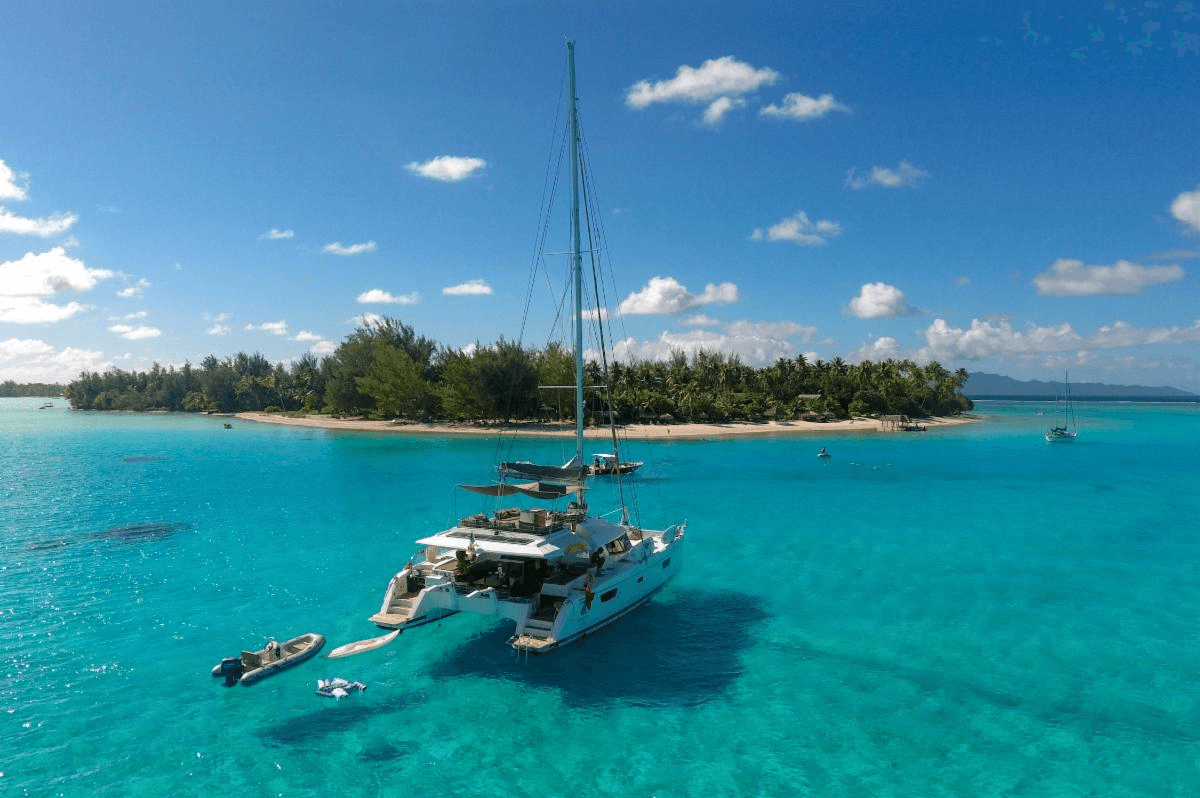
In recent years, the way people travel at sea has been changing: an increasing number of travellers are looking for more intimate, authentic experiences built around their individual needs. Within this context, the phenomenon of “micro-cruising” is gaining momentum, offering a new approach based on exclusivity, flexibility and a closer connection with destinations.
Although the term itself is relatively new, companies such as TradeWinds have been developing this model for more than 25 years, offering holidays aboard fully crewed sailing yachts, available either as exclusive charters or through individual cabin bookings, with itineraries across several destinations around the world.
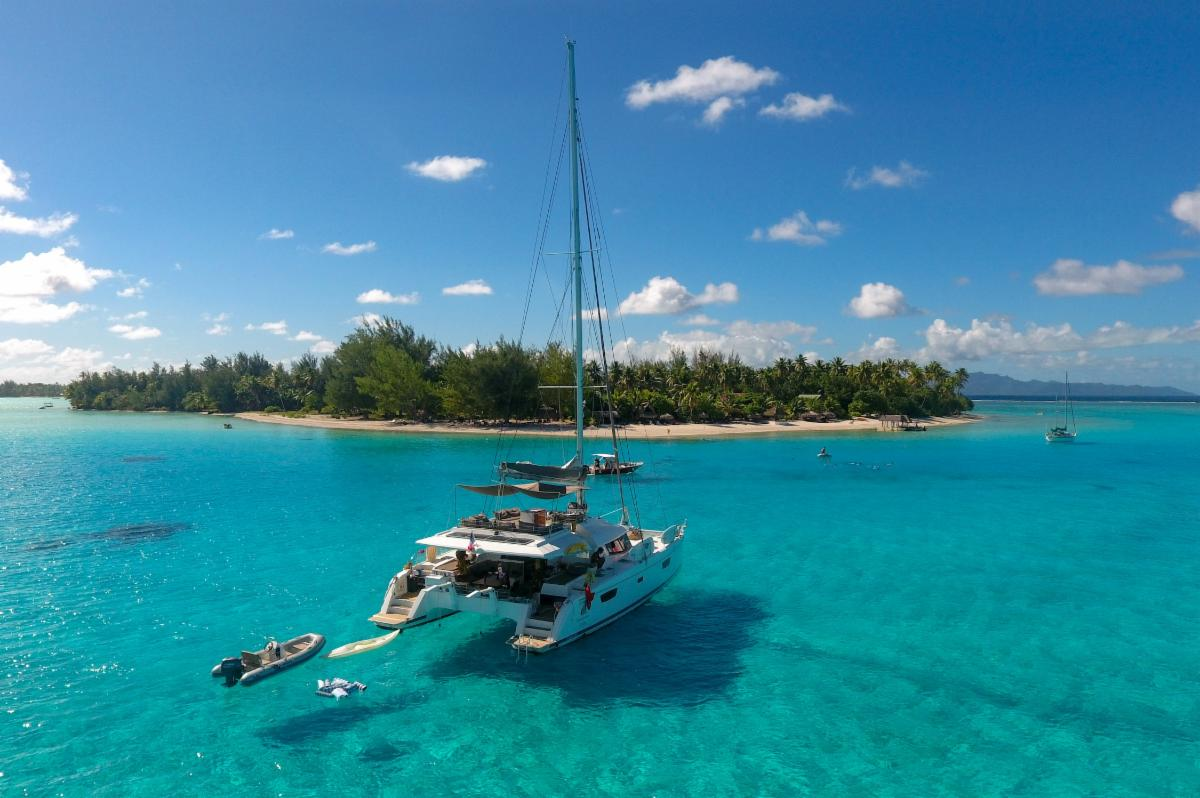
Compared with traditional “small ship” cruises, which despite their reduced size can still accommodate hundreds of passengers, micro-cruising follows a completely different philosophy: small vessels designed for limited groups, generally ranging from eight to 24 guests. In the case of the TradeWinds fleet, sailing yachts have a maximum capacity of just 10 passengers, creating a more intimate and personalised experience.
This approach reflects a shift in travellers’ expectations, with guests increasingly seeking experiences defined by privacy, authenticity and a deeper connection with both the destinations visited and fellow travellers, moving beyond the traditional idea that “bigger is better”. The difference is not simply about the number of people on board, but fundamentally changes the way the sea is experienced.
According to Neil Parsons, President of TradeWinds, the smaller size of the yachts allows the company to create a much more personal experience compared with traditional cruises. The executive highlighted how travelling with a limited group enables guests to share authentic moments, from enjoying sunrise breakfasts together to adapting the itinerary to reach quieter, lesser-known bays, or celebrating special occasions at sea with the crew. It is precisely these shared experiences, Parsons explains, that become meaningful memories and create lasting connections.
One of the defining features of micro-cruising is the opportunity to enjoy a freer and more dynamic journey. Unlike traditional itineraries, often structured around fixed schedules and major cruise ports, this model prioritises flexibility, spontaneity and access to places that are difficult to reach with larger vessels. TradeWinds’ fleet of 50 sailing catamarans can access smaller harbours, hidden bays and less crowded stretches of coastline, offering guests an experience closer to nature and away from mass tourism.
The smaller size of the vessels also allows itineraries to adapt in real time to weather conditions, guests’ preferences or the characteristics of the destinations visited. If a planned stop appears too crowded, the captain can choose alternative locations, transforming the journey into an experience centred on discovery and exploration.
Life on board also takes on a completely different dimension. With only a small number of guests, the service can become highly personalised: meals are prepared according to the group’s preferences and individual requirements, while small daily details contribute to creating a warmer and more attentive atmosphere.
This direct relationship also extends to the social dimension of the journey. Sharing life at sea between guests and crew naturally encourages connections through common experiences, such as spotting sea turtles in a quiet bay or watching a sunset while anchored in places untouched by other vessels. In this environment, the crew becomes an integral part of the experience, helping to create a more personal and engaging relationship compared with traditional cruise models.
Micro-cruising therefore represents a new interpretation of travel at sea, where the value of the experience is no longer determined by the size of the ship, but by the quality of the moments experienced on board and the possibility of establishing a more authentic connection with the destinations visited. Through small groups, flexible itineraries and a more environmentally conscious approach, this formula responds to the needs of modern travellers seeking exclusivity, tranquillity and deeper connections.
With its model based on small yachts and increasingly sustainable solutions, TradeWinds is part of a growing trend that is helping to redefine the very concept of cruising and the future of exploration at sea.
Giorgia Lombardo