
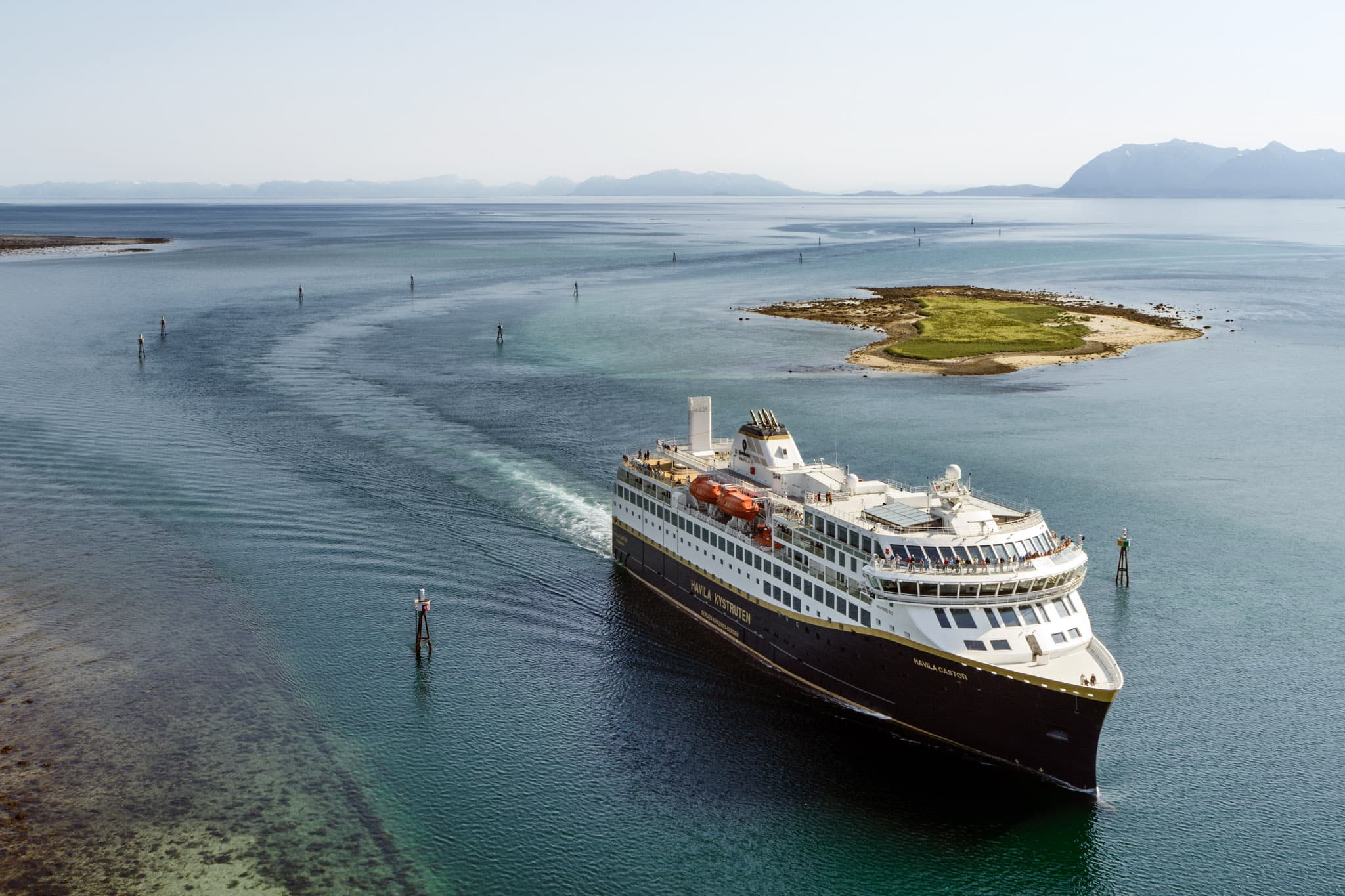
Havila Voyages has once again strengthened its position as one of the most advanced cruise operators in terms of environmental performance, taking first place in NABU’s 2026 cruise ranking.
The German environmental organization recognized the Norwegian company for its comprehensive approach to sustainability and for the concrete measures introduced to reduce carbon and pollutant emissions along the Norwegian coast.
The result follows the recognition already achieved last year and confirms the effectiveness of a strategy that combines technological innovation, alternative fuels, local sourcing and operational efficiency. One of the most significant milestones came in autumn 2025, when Havila Polaris completed a 2,500-nautical-mile round trip between Bergen and Kirkenes powered by biogas. According to the company, the voyage achieved an actual emissions reduction of 95.5%, demonstrating that climate-neutral operations are already possible even on one of the most demanding coastal routes in Europe.
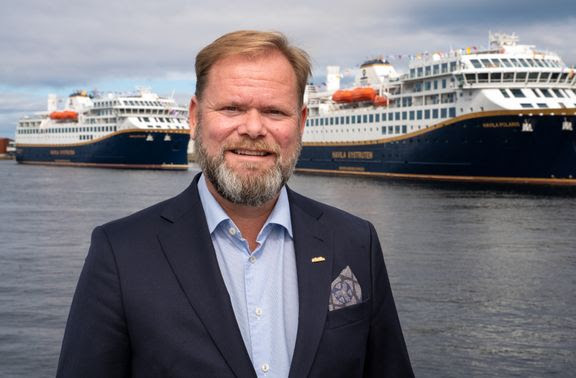
For CEO Bent Martini, the experience provides clear evidence that stricter environmental standards can be achieved without compromising safety or operational performance. Havila Voyages is now continuing to invest in alternative fuels and carbon capture solutions, with the stated goal of reaching climate neutrality across its fleet by 2028 and zero-emission operations by 2030. The target applies not only to the four ships currently in service, but also to any future additions to the fleet as the company looks ahead to the next tender round for the Norwegian coastal route.
The sustainability strategy also extends well beyond propulsion. Havila Voyages places strong emphasis on partnerships with coastal communities, local value creation and responsible sourcing. Its culinary concept relies largely on Norwegian suppliers, while food waste has become another important area of focus. The company had set a target of 75 grams of food waste per guest per day, but achieved an average of 68 grams in both 2024 and 2025.
This integrated approach is what makes Havila Voyages’ model particularly significant for the wider cruise industry. Rather than treating sustainability as a single technical challenge, the company is addressing emissions, fuel choices, supply chains, food consumption and regional economic impact as part of the same transformation process. The latest NABU ranking therefore represents not only recognition of past achievements, but also further confirmation of the direction in which Havila Voyages intends to move over the coming years.
With increasingly ambitious environmental targets and a series of measurable results already achieved, Havila Voyages continues to position itself as a reference point for the industry’s transition towards lower-impact and eventually emission-free cruising.
Beyza Nur Kazğı