
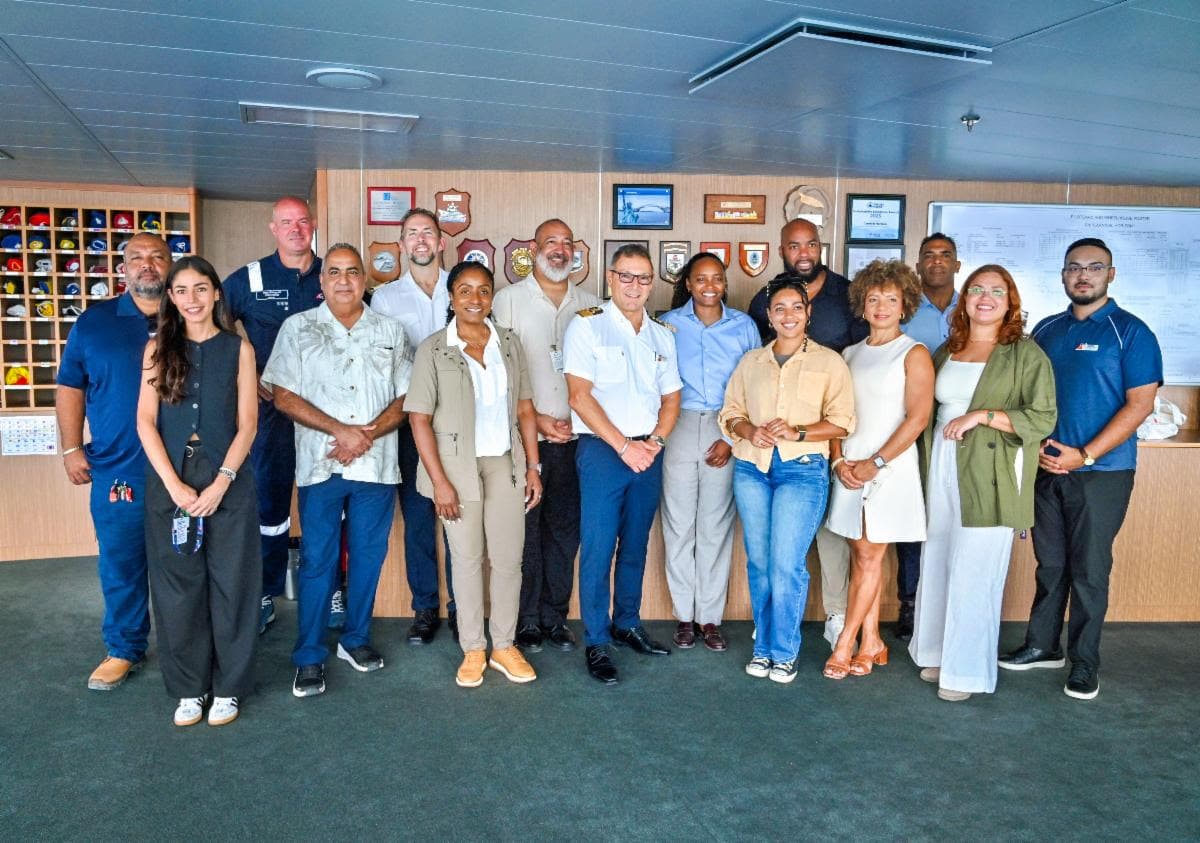
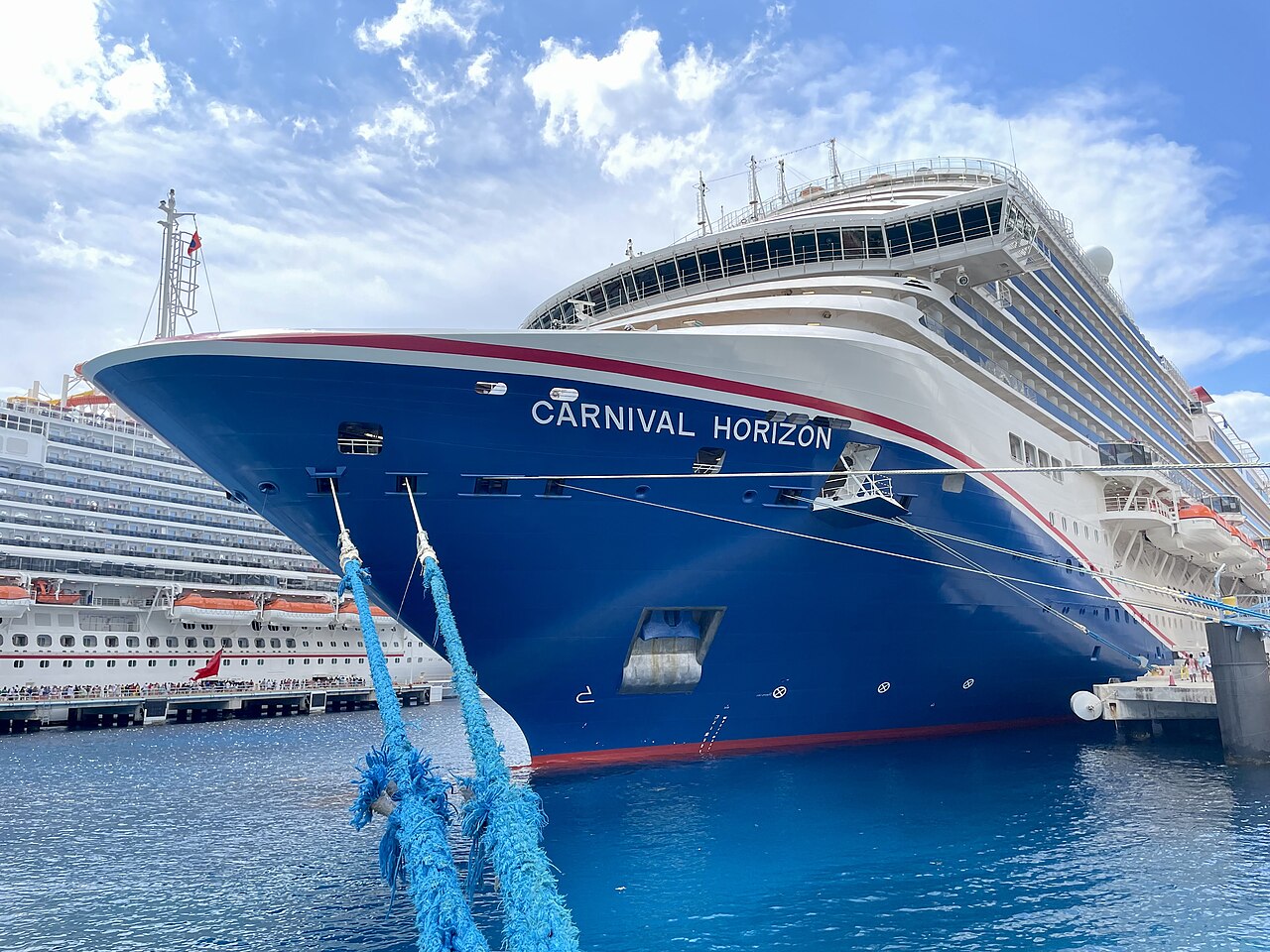
Carnival Corporation has reinforced its relationships with Aruba, Bonaire and Curaçao through a series of summer ship visits aboard Carnival Horizon, bringing together government representatives, tourism and port authorities, community partners and students from across the three destinations.
The initiative offered local stakeholders the opportunity to meet Carnival executives and shipboard teams, gain a closer understanding of cruise operations and discuss ways to further support tourism, education and the communities that welcome the company’s ships throughout the year. The visits were led by Sarah Beth Reno, Chief Operating Officer of Carnival Cruise Line, and Marie McKenzie, Senior Vice President of Government and Destination Affairs for Carnival Corporation, and took place in Bonaire on August 5 and 19, Aruba on August 18 and Curaçao on August 20. Carnival Horizon’s senior leadership team also participated, including Captain Rocco Lubrano, Chief Engineer Dinko Biskupovic, Hotel Director Steve Scandale and HR Director Claire Woodhouse, together with other members of the onboard team.
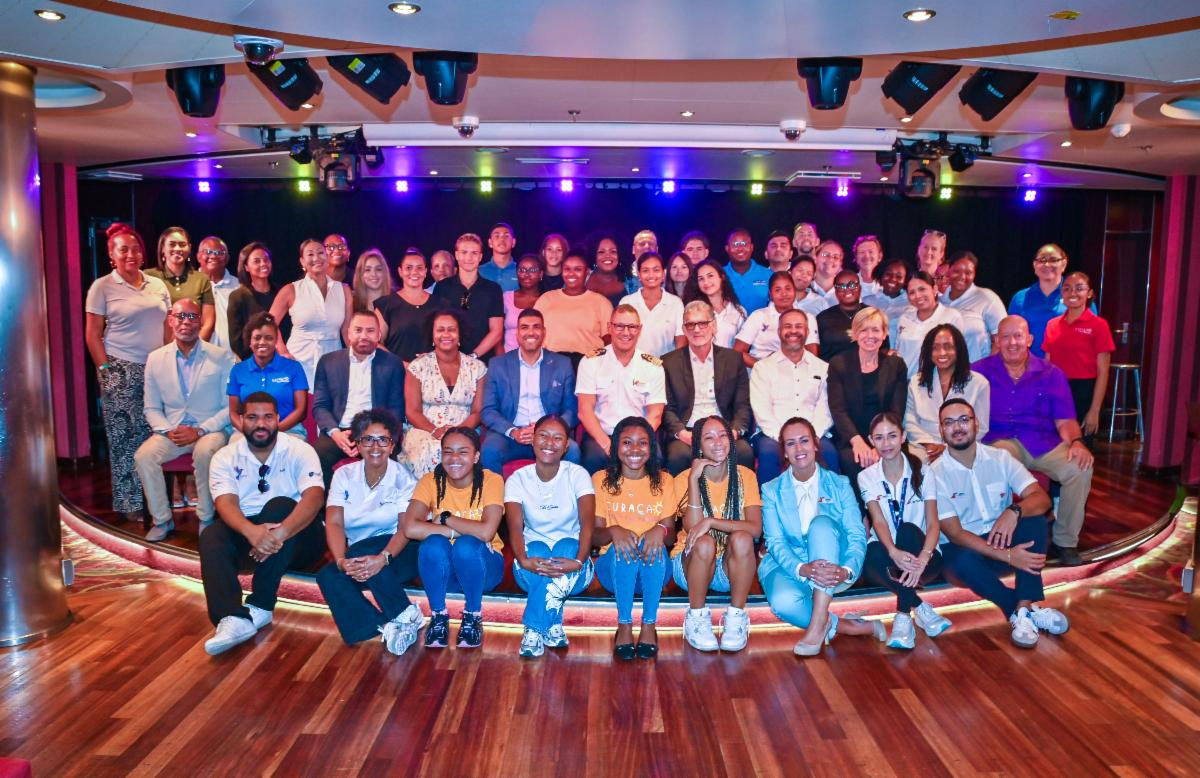
Beyond the institutional meetings, one of the most interesting aspects of the programme was its focus on education and direct engagement with younger generations. Students from all three islands were invited aboard Carnival Horizon to learn more about how a cruise ship operates and to discover the range of career opportunities available within the cruise and hospitality sectors. In Curaçao, Carnival welcomed students from the Curaçao Hospitality and Tourism Training Centre, giving them the opportunity to connect their classroom studies with the practical realities of the industry and see first-hand the complexity of shipboard operations. The visits also supported a number of local education initiatives.
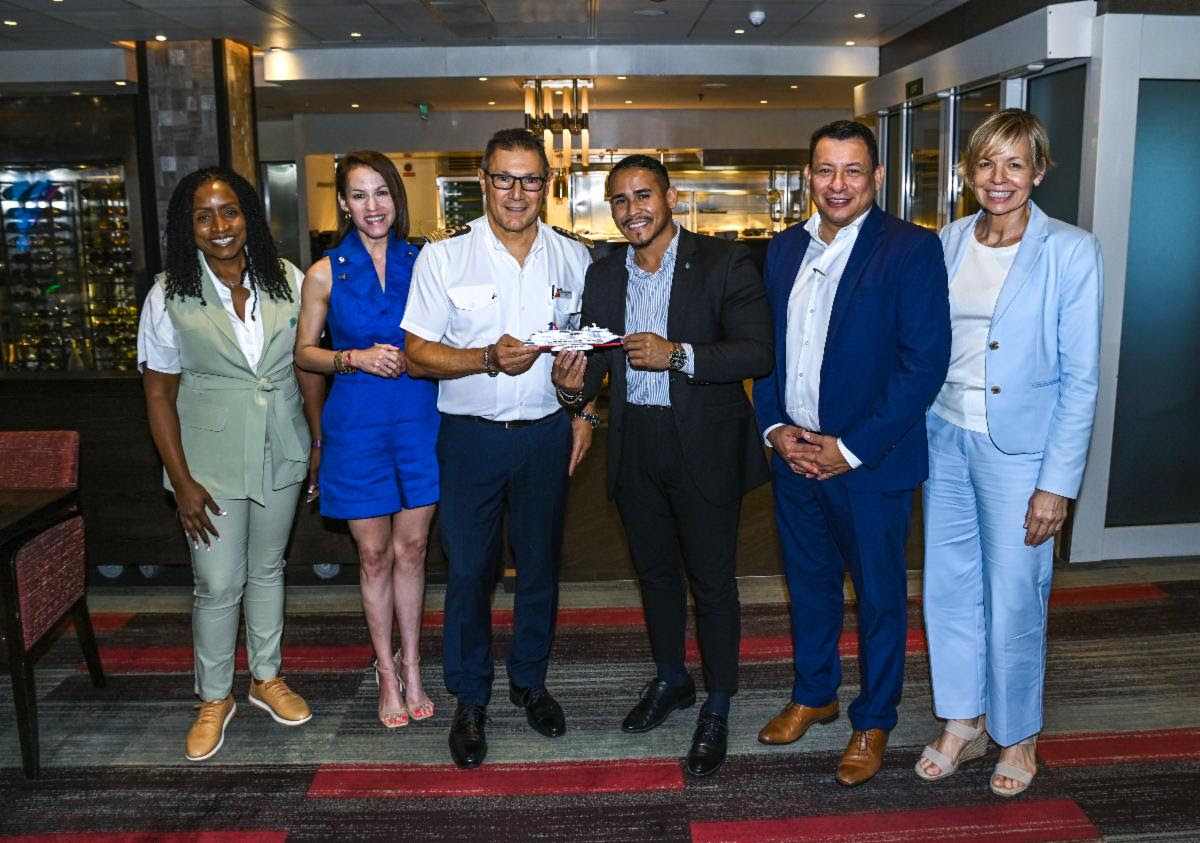
In Aruba and Bonaire, Carnival Corporation worked alongside the Aruba Tourism Authority, Aruba Ports Authority and Tourism Corporation Bonaire on the Buki di Pret programme, while in Curaçao the focus centred on hospitality education through cooperation with the Curaçao Tourist Board, Curaçao Ports Authority and the Curaçao Hospitality and Tourism Training Centre. “We value the relationships we have built with our partners across Aruba, Bonaire and Curaçao, and these visits provide an opportunity for meaningful dialogue and collaboration,” said Reno, adding that Carnival wants its engagement with destinations to extend beyond the guest experience by supporting education and creating opportunities for students to learn more about the cruise industry. The programme also brought together a wide range of senior representatives from the public and private sectors.
In Aruba, the delegation included Minister of Tourism, Transport and Labor Wendrick Cicilia, Aruba Tourism Authority CEO Ronella Croes and Aruba Ports Authority CEO Marc Figaroa. In Bonaire, participants included Tourism Corporation Bonaire CEO Elesiër Angel, BONHATA CEO Veroesjka de Windt and Harbor Master Gunther Flanegin, alongside other representatives from the local tourism sector.
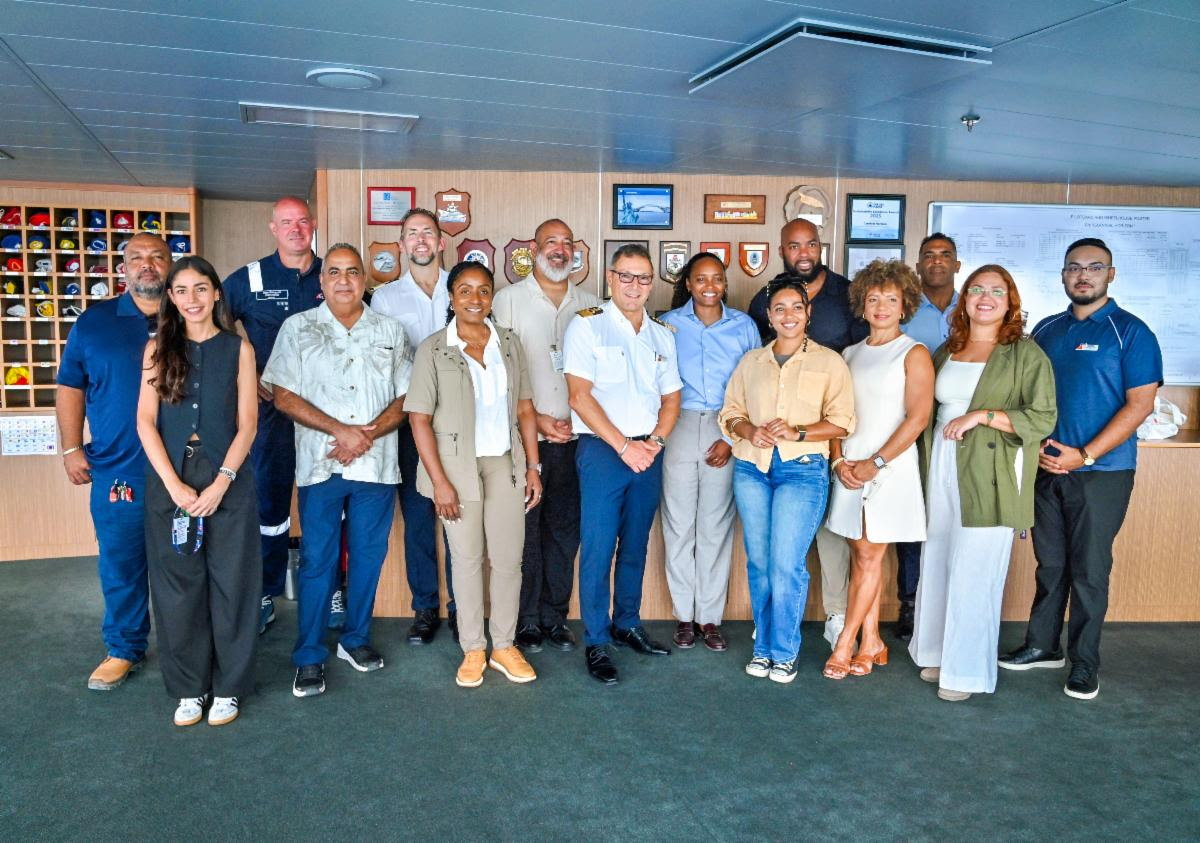
In Curaçao, the meetings involved Zulaika Mook, Senior Director of Economic Development and Innovation at the Ministry of Economic Development, Curaçao Ports Authority CEO Humberto de Castro and Curaçao Tourist Board Managing Director Muryad de Bruin, as well as representatives from Maduro Shipping and other local organisations. “Strong destination partnerships are an important part of the cruise experience, and these visits allow us to engage directly with the people and organizations that help make each destination successful,” said McKenzie. She also stressed the importance of introducing students to career opportunities across cruising and tourism, helping to create stronger links between local communities and an industry that plays a major role in the Caribbean economy. This is perhaps where initiatives of this kind become most meaningful. Cruise lines and destinations inevitably depend on each other, but the most successful relationships are those that move beyond port calls and passenger numbers and develop into long-term cooperation involving education, employment and local economic growth.
For Aruba, Bonaire and Curaçao, destinations with a strong connection to the cruise sector, this type of direct dialogue can also help ensure that future tourism development remains closely connected to local needs and opportunities. Carnival Corporation’s summer programme therefore represents more than a series of ship visits: it is another example of how destination partnerships are becoming an increasingly important part of the broader cruise experience, linking ships, communities and future generations in a more tangible way.
Gabriele Bassi