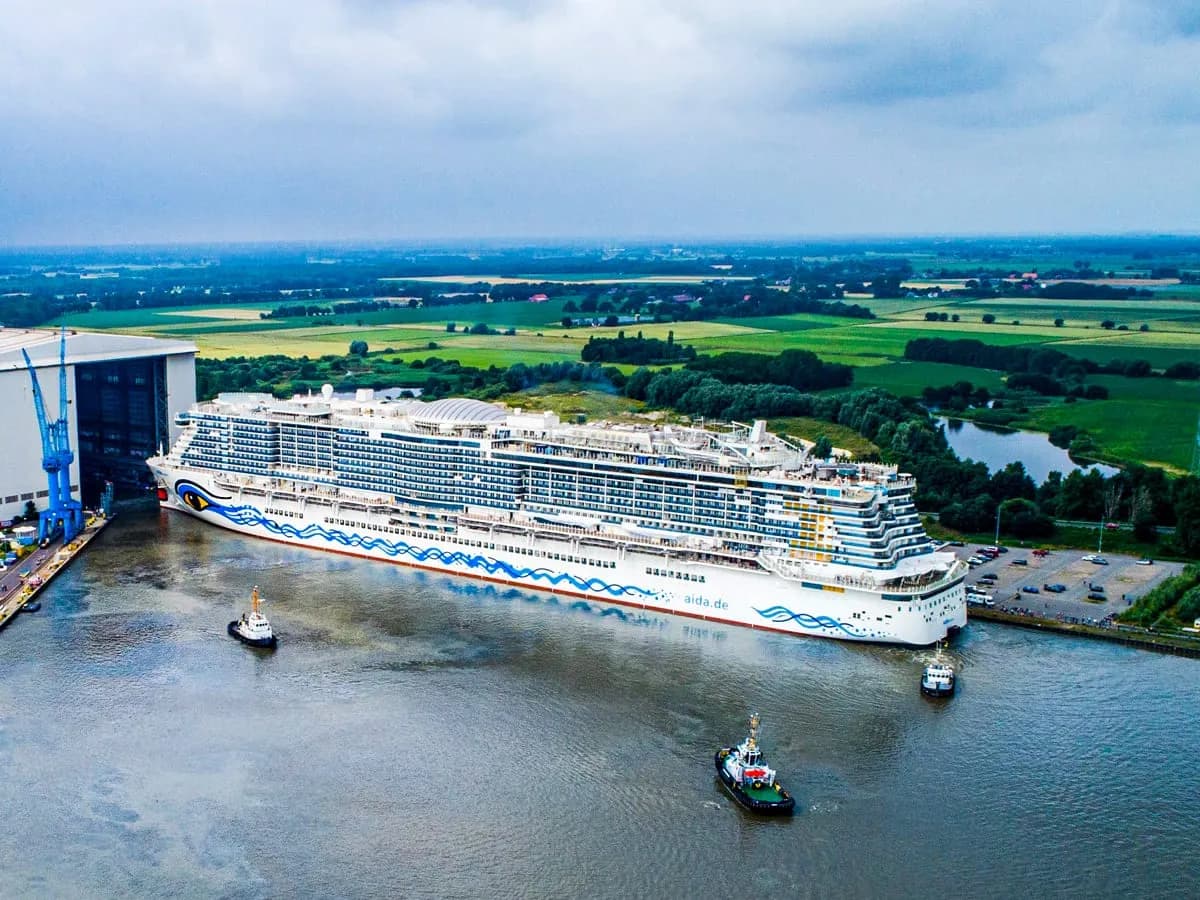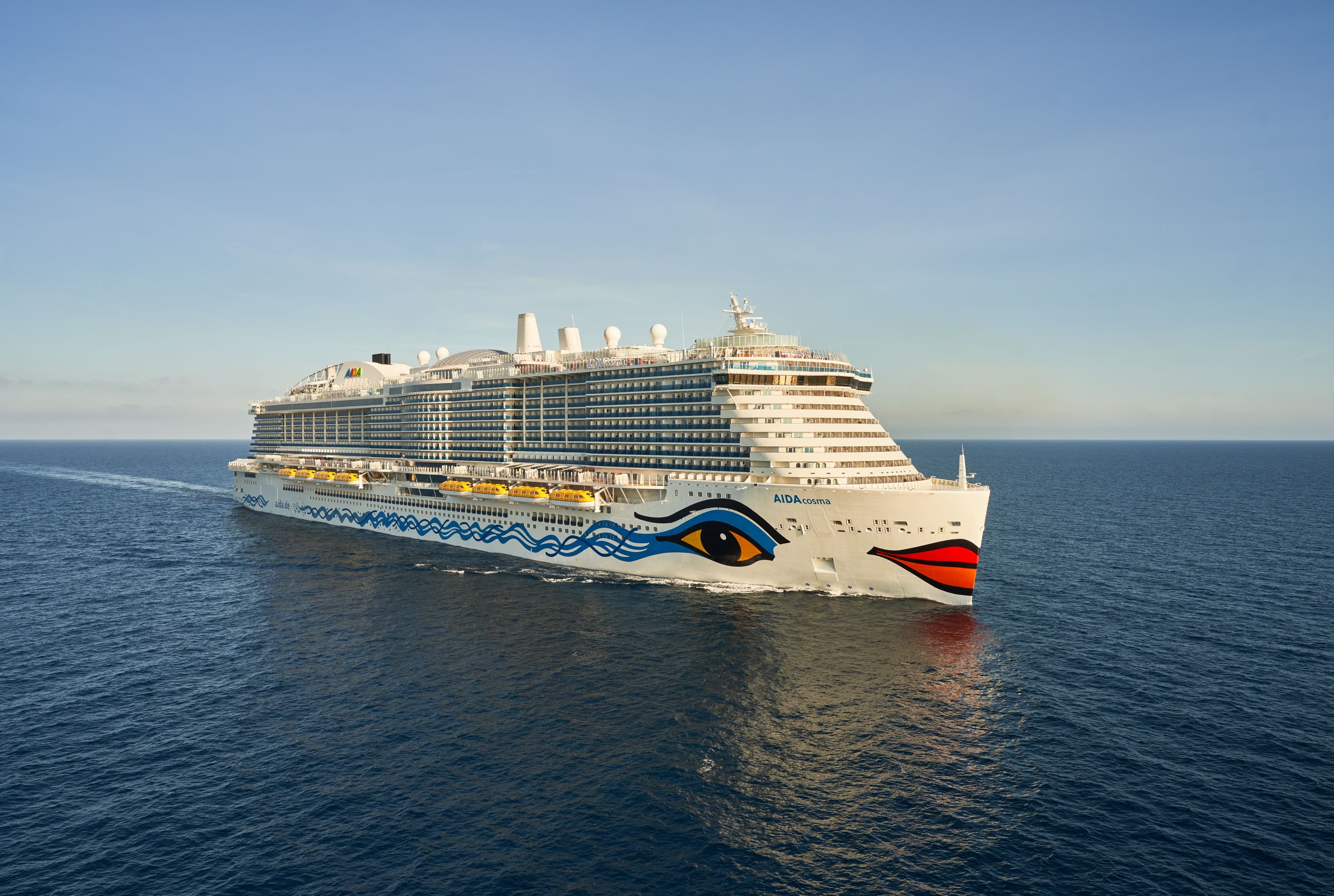
AIDA Cruises is continuing to strengthen its sustainability strategy through a broad range of initiatives focused on energy efficiency, alternative fuels, shore power and technological innovation.
Rather than relying on a single solution, the company is pursuing a multi-track approach designed to reduce fuel consumption, lower emissions and prepare its fleet for the gradual introduction of new propulsion technologies. Central to this strategy are the expansion of biofuel use, the wider adoption of shore power, the rollout of the Energy Optimization System across the fleet and the development of new ideas through the AIDA Innovation Hub.
One of the most important areas of investment is digital energy management. Reducing the energy consumption of the fleet has become a key element of AIDA Cruises’ technical operations, with voyage planning, ship performance and fuel use continuously monitored and analyzed. Every vessel in the fleet is equipped with an integrated energy management system and connected to a centralized data platform that supports both onboard teams and shoreside specialists. The information gathered through this network is used to improve operational decisions, while machine learning, artificial intelligence and other digital applications help identify additional opportunities to optimize vessel performance.
At the center of this digital strategy is EOS, the Energy Optimization System, which has been introduced progressively across the AIDA fleet since 2023. The system analyzes operational data in near real time and provides crews with practical recommendations for improving onboard energy flows, reducing consumption and planning more efficient routes. It considers a wide range of variables, including weather conditions, wind, vessel and engine characteristics and the number of guests onboard. According to AIDA Cruises, operational experience has shown that EOS can significantly reduce the amount of energy required for propulsion and hotel systems, while also supporting faster and more informed decision-making at sea.
“EOS demonstrates the value that digitalization can bring to ship operations. By translating data into practical recommendations, we empower our crews to make even more efficient decisions. The system is already generating savings worth millions and helping prepare our fleet for the future,” said Dirk Inger, Senior Vice President Public Affairs, Communication & Sustainability at AIDA Cruises.
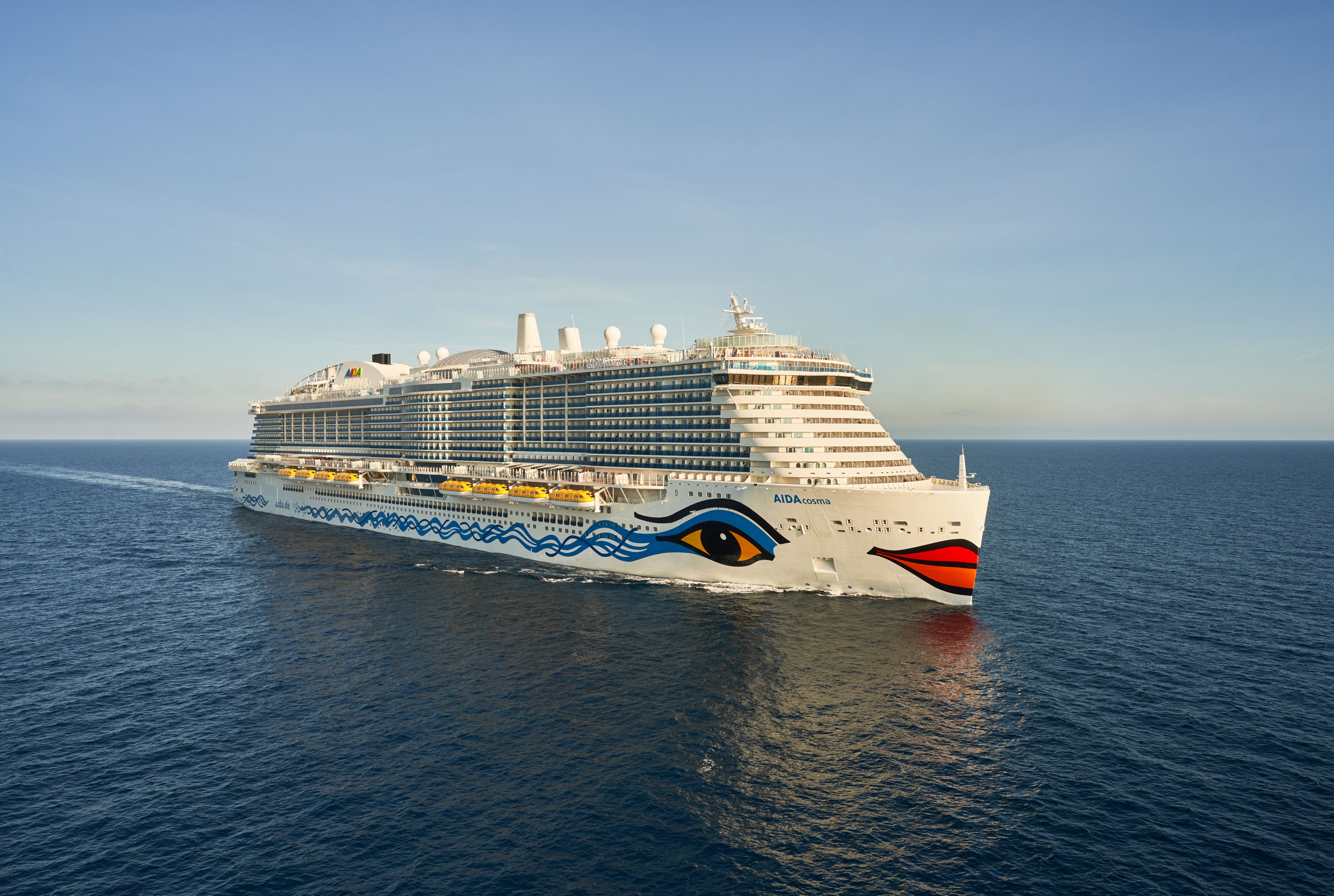
Alongside digital optimization, the company is also expanding its use of bio-based fuels. In 2025, more than 8,500 tonnes of ISCC EU-certified Bio-LNG were supplied to AIDAnova in Hamburg, Kiel and Zeebrugge. The fuel is produced from European biogas plants and made available to the shipping sector through a mass-balancing system. Biofuels that comply with the European Union’s Renewable Energy Directive can play an important role in meeting short- and medium-term climate targets while also helping cruise operators comply with regulations such as FuelEU Maritime.
AIDA Cruises has already gained experience with several types of alternative fuels. The company first used biofuel aboard AIDAprima in summer 2022 and conducted a further pilot project in 2024 using a residue-based biofuel that, according to its producer, can reduce carbon dioxide emissions by more than 90 percent compared with conventional fuels. The LNG-powered ships in the fleet are also designed to accommodate additional biofuels and synthetic fuels once these become available in sufficient quantities and at commercially sustainable prices.
The company is also working with scientific institutions and industry partners on future energy solutions. Through the decarbonization department of Carnival Maritime GmbH, AIDA Cruises is involved in the CAMPFIRE alliance, which focuses on renewable ammonia-based energy conversion and storage technologies. It is also an associated partner in the HydroPoLEn research project, which studies the potential use of hydrogen in combustion-engine marine propulsion systems and examines how such technologies could be integrated into future cruise ships.
Despite the progress, the wider adoption of e-fuels still faces major challenges. These include limited availability in ports, insufficient industrial production capacity, a lack of internationally harmonized regulations and prices that remain too high for large-scale commercial use. AIDA Cruises therefore sees research, infrastructure development and regulatory coordination as essential elements in the transition toward lower-emission shipping.
Shore power remains another major pillar of the company’s environmental program. AIDA Cruises has incorporated shore power capability into the design and planning of its vessels for more than two decades and was among the first cruise operators to use the technology regularly in Europe. In 2017, AIDAsol became the first cruise ship to connect routinely to the shore power facility at Hamburg’s Cruise Center Altona, at the time the first installation of its kind for cruise vessels in Europe.
Since then, shore power use has expanded steadily. AIDA ships completed around 340 shore power connections in 2024 and approximately 440 in 2025, while around 540 calls are planned for 2026. The company’s vessels can currently connect to shore power in 17 European ports, including Hamburg, Warnemünde, Kiel, Southampton, Bergen, Oslo, Stockholm, Rotterdam, Copenhagen and Le Havre. These ports represent roughly half of all AIDA calls on Northern European itineraries departing from Germany.
Shore power allows ships to switch off their engines while berthed and draw electricity from the local grid, helping reduce emissions and noise in port communities. However, AIDA Cruises stresses that the environmental benefits of the technology can only be fully realized if ports continue to expand the necessary infrastructure and make it reliably available across a wider number of destinations.
The company is also encouraging new ideas through the AIDA Innovation Hub, whose first application phase attracted more than 150 proposals. Start-ups, technology companies, industry partners and research institutions were invited to submit concepts related to decarbonization, sustainability and artificial intelligence for the maritime sector. The applications are now being reviewed, with the most promising ideas set to be presented to an expert jury in Rostock on Sept. 16, 2026.
The selected projects will have the opportunity to work directly with AIDA Cruises on implementation studies or pilot tests aboard the company’s ships. By combining operational experience with external expertise, the Innovation Hub is intended to accelerate the development of practical solutions that can be tested in real maritime environments.
Taken together, these initiatives show how AIDA Cruises is combining immediate operational improvements with longer-term research and development. Digital energy management, biofuels, shore power and future fuel technologies each address a different part of the decarbonization challenge, while the Innovation Hub creates a platform for testing new concepts. The strategy reflects the growing complexity of reducing emissions in cruise shipping and the need to advance several technologies simultaneously rather than waiting for a single universal solution.
Gabriele Bassi