
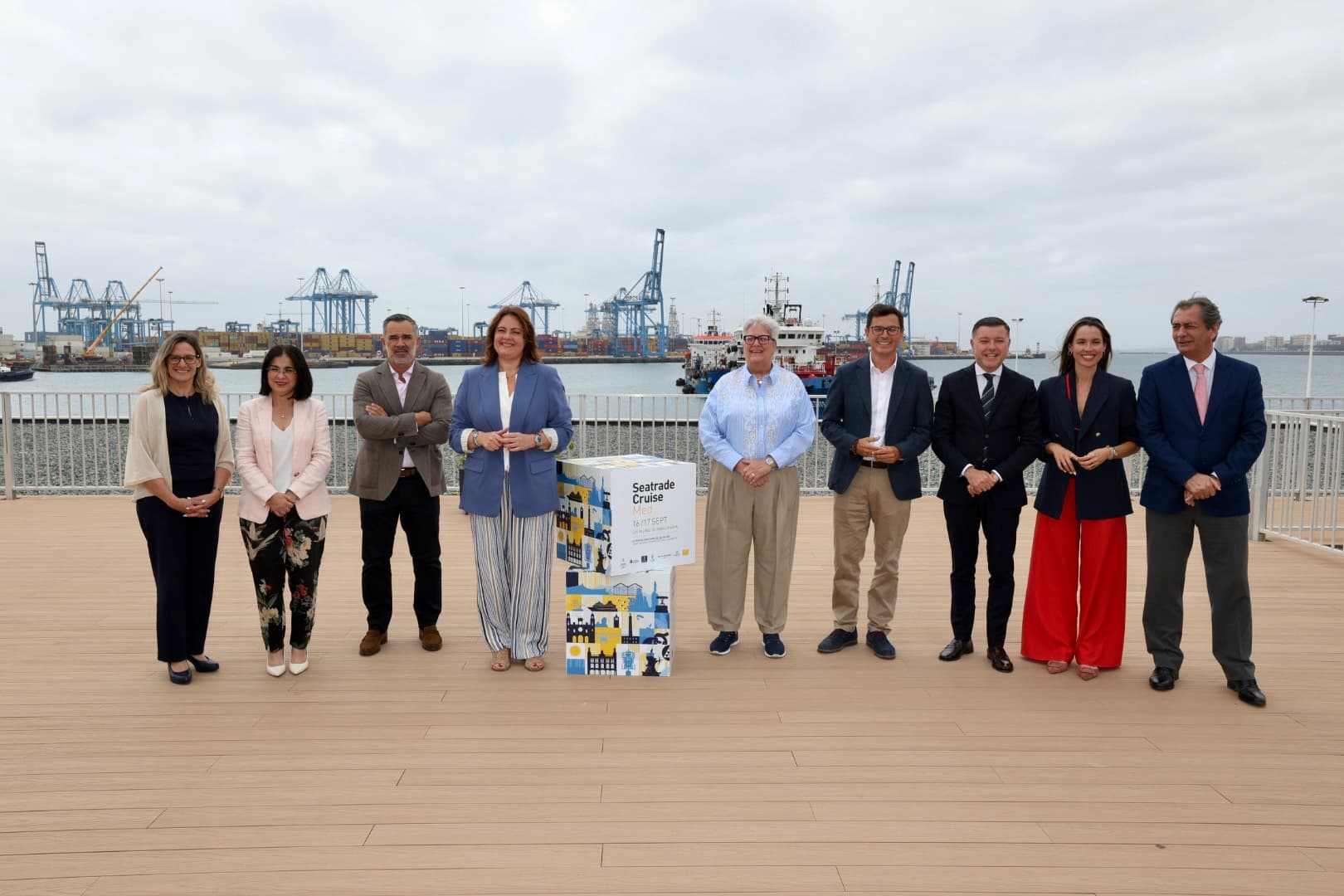
In September 2026, the global cruise industry's attention will turn to Gran Canaria. The Port of Las Palmas is preparing to become the center of the international cruise sector as it hosts Seatrade Cruise Med, reinforcing the Canary Islands' increasingly strategic role in cruise traffic between Europe, Africa, and the Americas.
The event is much more than a traditional trade fair. For two days, the Santa Catalina Cruise Terminal will become a meeting point for cruise lines, port authorities, tourism operators, service providers, and decision-makers from around the world. More than 2000 professionals from over 90 countries are expected to attend, alongside approximately 180 international exhibitors and more than 220 executives from the world's leading cruise companies.
An Increasingly Strategic Port
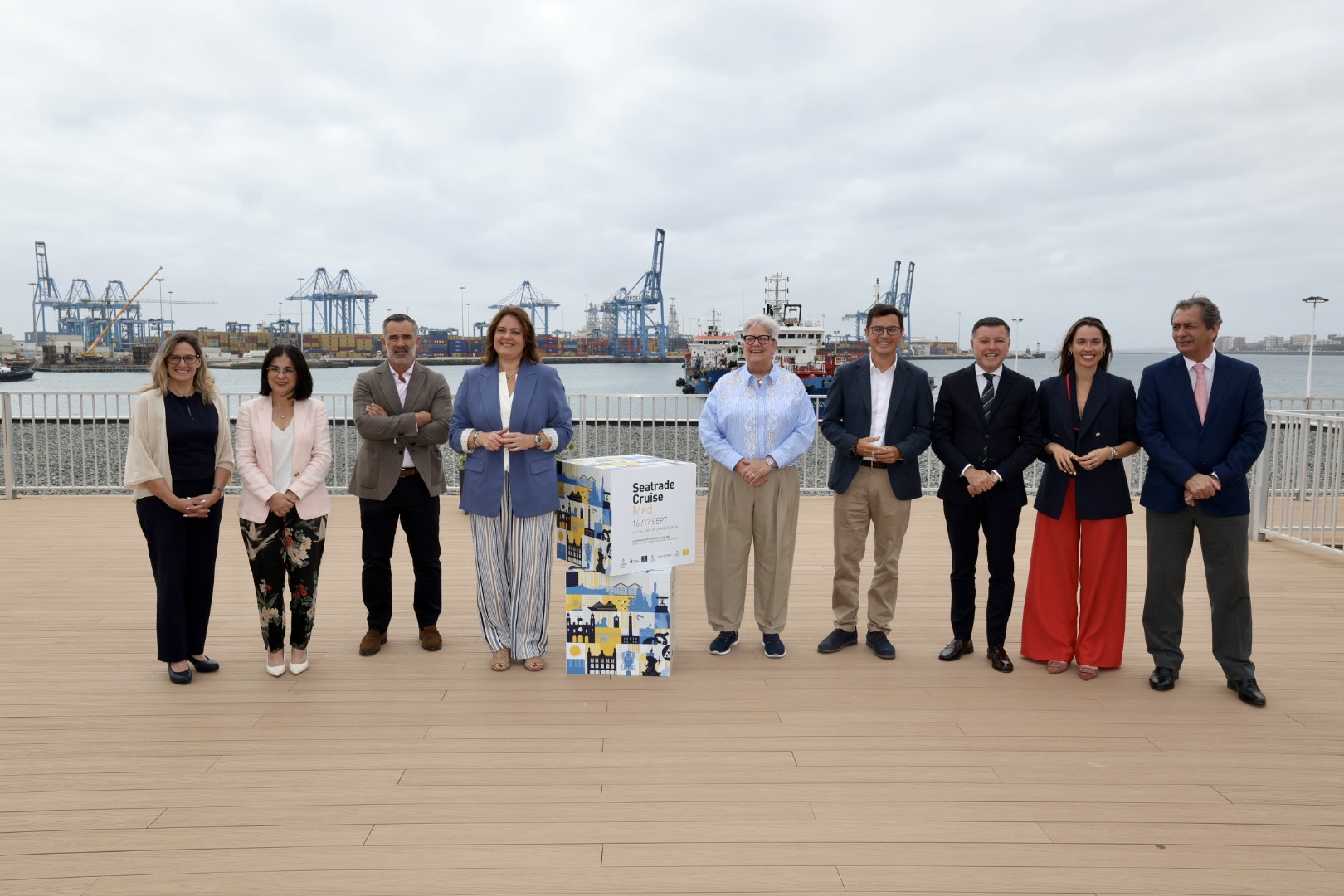
In recent years, Las Palmas has strengthened its position as one of the Atlantic's most important cruise hubs. Its geographical location, at the crossroads of the main maritime routes linking Europe, Africa, and the Americas, makes it a strategic port of call for both transatlantic voyages and itineraries across the Mediterranean and the Eastern Atlantic.
This growth has been supported by significant investments in port infrastructure, focused on innovation, sustainability, digitalization, and operational efficiency. The port is also home to Europe's largest cruise terminal, a facility designed to meet the demands of a constantly evolving market while accommodating an increasing number of cruise ships and passengers.
Expansion is also underway at the province's other ports, particularly Arrecife and Puerto del Rosario, which together help position the Canary Islands' port system among the most competitive in the international cruise market.
Figures Confirming Continued Growth
The results achieved in recent years highlight the sector's remarkable momentum. In 2025, the ports managed by the Las Palmas Port Authority welcomed more than two million cruise passengers for the first time, a historic milestone that further strengthens the Canary Islands' presence on the world's leading cruise itineraries.
The outlook for the following season is equally promising. More cruise lines are adding the Canary Islands to their itineraries, homeport operations continue to expand, and premium cruise brands are showing increasing interest, attracted by both the quality of the port infrastructure and the destination's tourism appeal.
The Mediterranean cruise market also continues to show strong growth. In 2025, ports across the region handled nearly 40 million passengers, representing an increase of more than 10% compared with the previous year and confirming the vitality of one of the world's most important cruise markets.
An Opportunity for the Entire Region
The event also represents an outstanding opportunity to showcase Gran Canaria and the entire Canary Islands on the international stage. The presence of the industry's leading players will provide an ideal platform to highlight not only the efficiency of the port infrastructure but also the destination's tourism, cultural, and commercial offerings.
The close relationship between the port and the city is one of Las Palmas' defining characteristics. The cruise passenger experience extends far beyond embarkation and disembarkation, embracing the city's cultural heritage, gastronomy, shopping, hospitality, and urban services, all of which strengthen Las Palmas' reputation as a complete and attractive destination.
At the same time, the Canary Islands are developing an increasingly sustainable model of maritime tourism by investing in smart infrastructure and expanding high-value segments such as boutique cruises, yachts, and megayachts.
An Immediate Economic Impact
The event is expected to generate significant economic benefits from the outset. Accommodation spending alone by participants is estimated to exceed €400,000, with additional revenue flowing to restaurants, retail businesses, transportation providers, tourism services, and the local events industry.
This economic impact will benefit numerous local businesses while increasing the destination's international visibility among industry professionals who directly influence the planning of future cruise itineraries.
The Legacy of Host Cities
Previous editions of Seatrade Cruise Med demonstrate how hosting an event of this scale can generate long-term benefits for cruise tourism.
Following its edition of the event, Venice recorded a 45% increase in cruise passengers within just a few years. Marseille experienced traffic growth of 75%, while Barcelona surpassed three million cruise passengers after recording a 12% increase following its hosting of the event.
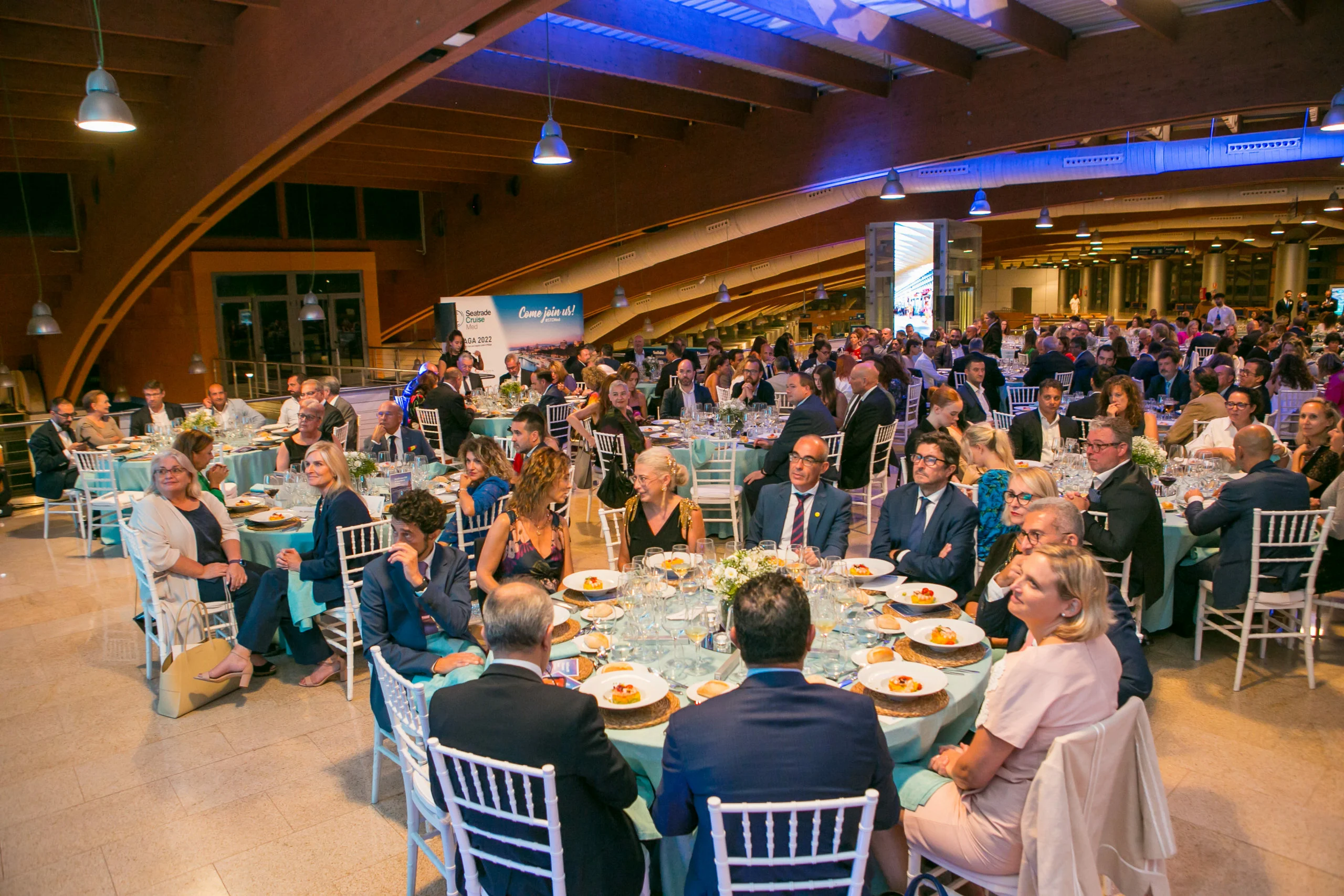
Santa Cruz de Tenerife also enjoyed 9% growth in the years after hosting the conference. One of the most remarkable success stories, however, is Málaga. After hosting Seatrade Cruise Med in 2022, the city recorded a 37.4% increase in cruise traffic. Considering both editions held there over the years, overall growth reached an impressive 232%, firmly establishing Málaga among the leading cruise destinations in the Western Mediterranean.
These results raise positive expectations for Las Palmas, which aims to further strengthen its position on major international cruise itineraries while enhancing the competitiveness of Gran Canaria, Lanzarote, and Fuerteventura as cruise destinations.
Looking Ahead to the Future of Cruising
The 2026 edition carries additional symbolic significance as it marks the 30th anniversary of Seatrade Cruise Med, now recognized as one of the cruise industry's most influential international events.
For Las Palmas, it is an opportunity to present itself as a modern, efficient, and sustainable port ready to meet the evolving demands of the global cruise market. For the Canary Islands, it represents a chance to consolidate their role as a strategic logistics and tourism hub in the heart of the Atlantic, reinforcing the remarkable growth that has made the archipelago one of the leading players in international cruising.
If expectations are fulfilled, Seatrade Cruise Med 2026 will serve not only as a prestigious international showcase but also as a catalyst for new investments, stronger maritime connections, and fresh opportunities across the Canary Islands' maritime and tourism sectors.
Mara Di Dio