

The Aquila Center for Cruise Excellence is strengthening links between tourism education and the cruise sector through industry-recognized training designed to give students practical skills, professional credentials and clearer pathways into employment.
The organization is expanding its workforce development approach by integrating cruise industry standards and professional certification directly into tourism education, with the aim of bridging the gap between academic learning and the operational realities of the cruise sector. Aquila draws on more than four decades of tourism experience and extensive involvement in cruise operations, with its training programs tested through the company’s operational “Living Lab” in Saint John, New Brunswick, Canada, where more than 178,000 cruise guests are welcomed each season. This direct interaction with cruise passengers allows Aquila to translate operational experience, guest expectations and destination-level challenges into practical training for tourism professionals and future industry employees.
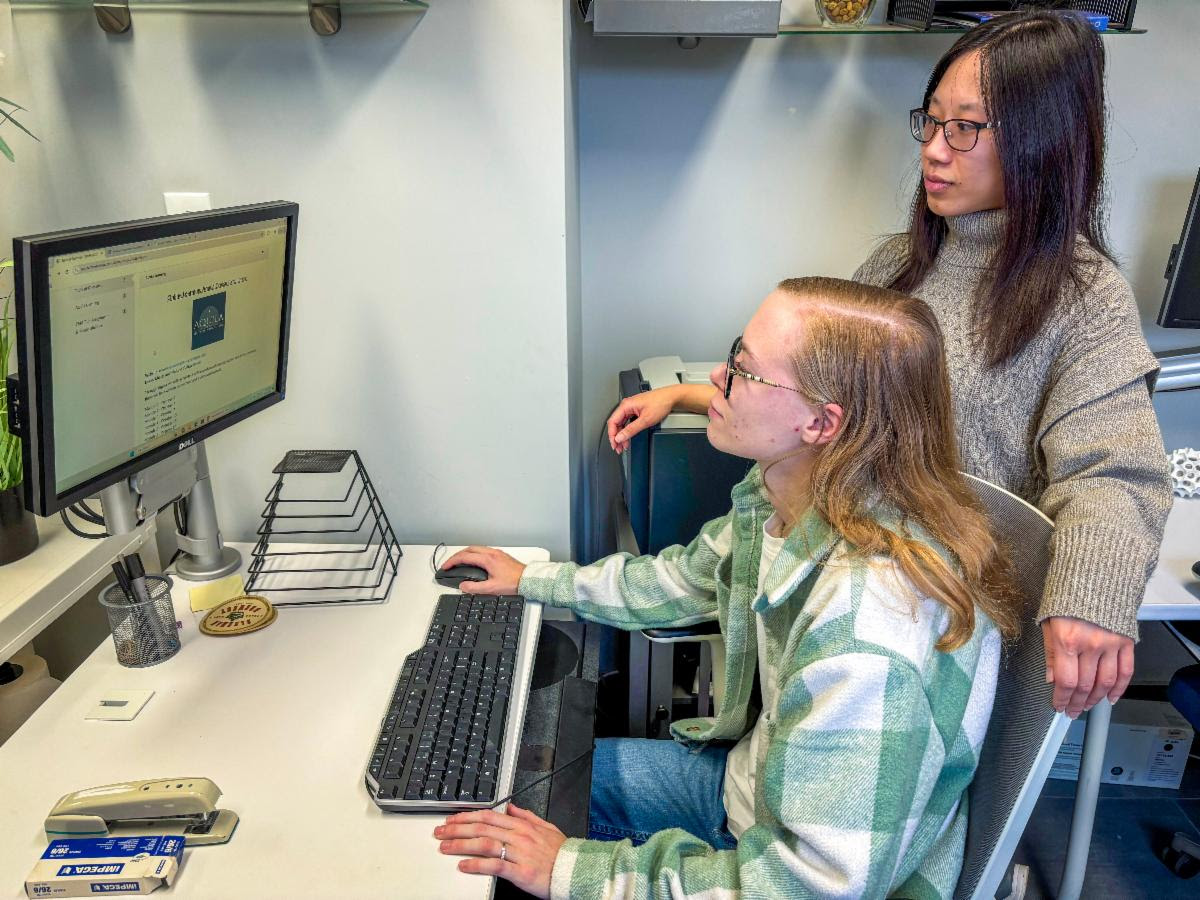
As the exclusive training partner of the Florida-Caribbean Cruise Association (FCCA), Aquila also aligns its programs with the needs of cruise destinations and stakeholders across the sector. “If we want to strengthen the future of cruise tourism, we need to think beyond today’s operations and actively create pathways for the next generation to enter, understand and thrive in this industry,” said Beth Hatt, President of Aquila Center for Cruise Excellence. “When we bring industry-recognized training directly into the classroom, we aren’t just teaching theory. We are building confidence, developing practical skills and helping students see a real pathway from education into the cruise and tourism industry.” A practical example of the model is Aquila’s partnership with Holland College in Canada, where tourism students participated in a hybrid pilot program that allowed them to complete Aquila’s internationally recognized Tour Guide Excellence Certification alongside their academic studies.
The program combined classroom instruction with online learning, written examinations based on professional standards and video assessments, enabling students to graduate with both academic experience and an additional industry-recognized credential. Particular emphasis was placed on storytelling, interpretation and guest engagement, providing students with skills that can be directly applied to shore excursions and destination experiences. The model has been designed with scalability in mind and could be adapted by tourism colleges across the Caribbean, Central America and other cruise regions. By incorporating professional certification into existing academic programs, educational institutions can help students enter the workforce with a stronger understanding of cruise guest expectations, service standards and destination operations. Aquila’s approach also reflects a broader focus on retention and professional development within tourism.
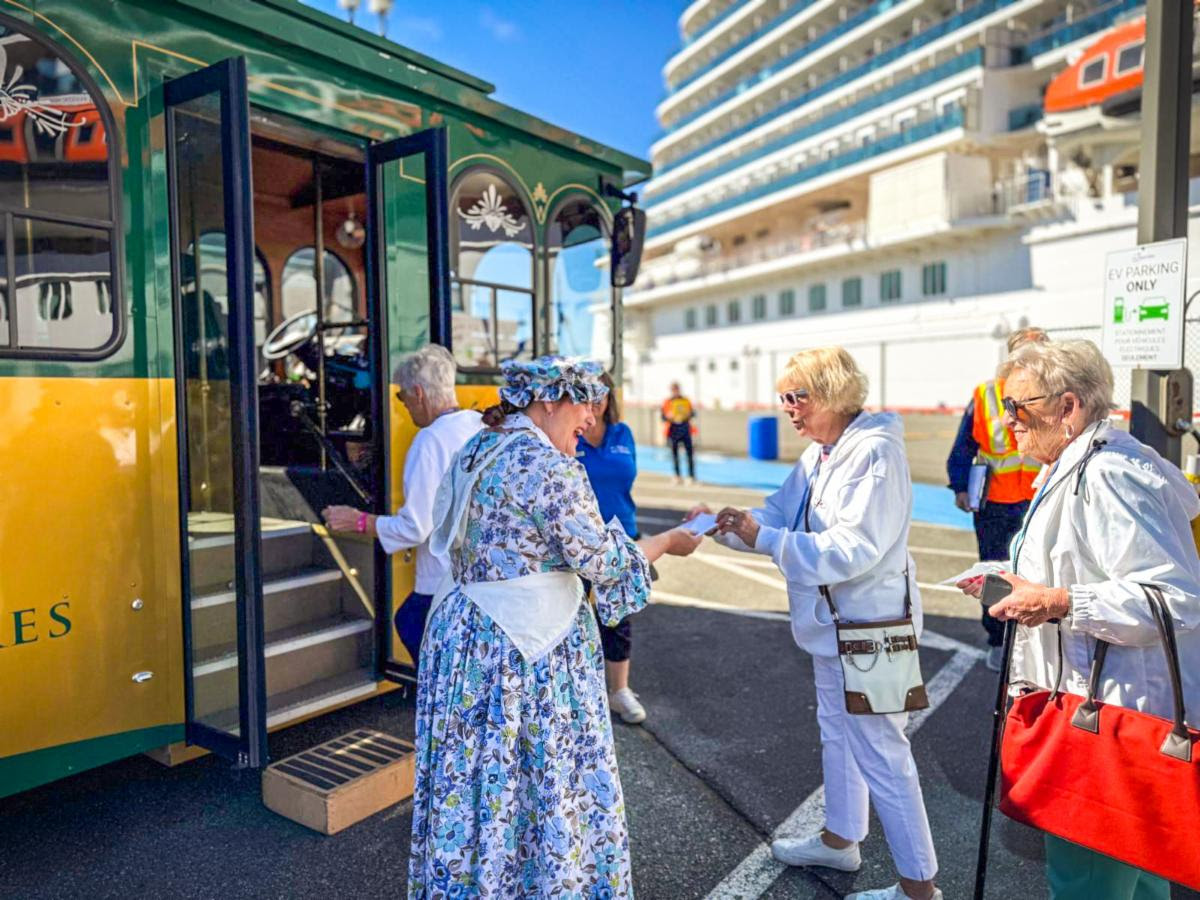
According to the organization, a number of its guides have built careers spanning 10, 20 and more than 25 years, reinforcing Aquila’s view that workforce development should extend beyond initial training and include continued learning and opportunities for long-term career progression. For cruise destinations, the issue is increasingly strategic. As cruise tourism evolves, ports and destinations must ensure that the quality of local experiences keeps pace with changing passenger expectations and cruise line requirements. Developing skilled local professionals can therefore contribute not only to employment, but also to destination competitiveness and guest satisfaction.

Aquila argues that building this workforce cannot be the responsibility of educational institutions alone, and that tourism authorities, ports, destination management organizations, tour operators, cruise lines and educators all have a role to play in connecting training more closely with employment opportunities and operational needs. Creating these links earlier in the education process could help destinations establish a stronger pipeline of qualified local professionals while improving service standards across the wider visitor economy. For the cruise industry, closer collaboration between education and operations represents an opportunity to address future workforce needs while strengthening the quality and consistency of destination experiences. Aquila’s model demonstrates how industry credentials, practical training and academic education can be combined to give emerging tourism professionals a clearer route from the classroom into the cruise sector.
Gabriele Bassi