
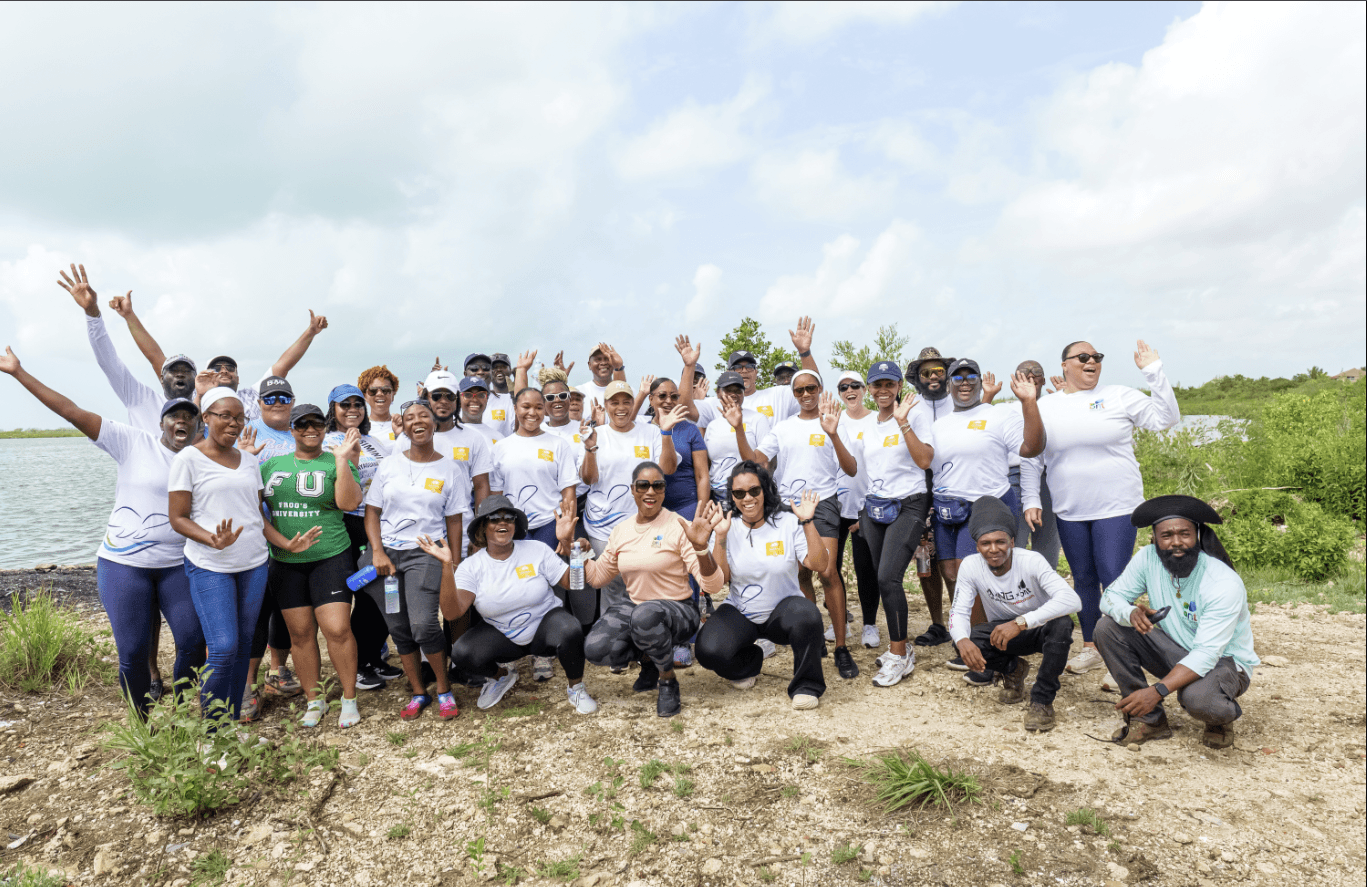
Nassau Cruise Port has marked its fifth consecutive year of participation in International Coastal Cleanup activities, reinforcing an environmental programme that is increasingly being integrated into the port’s wider destination and community strategy.
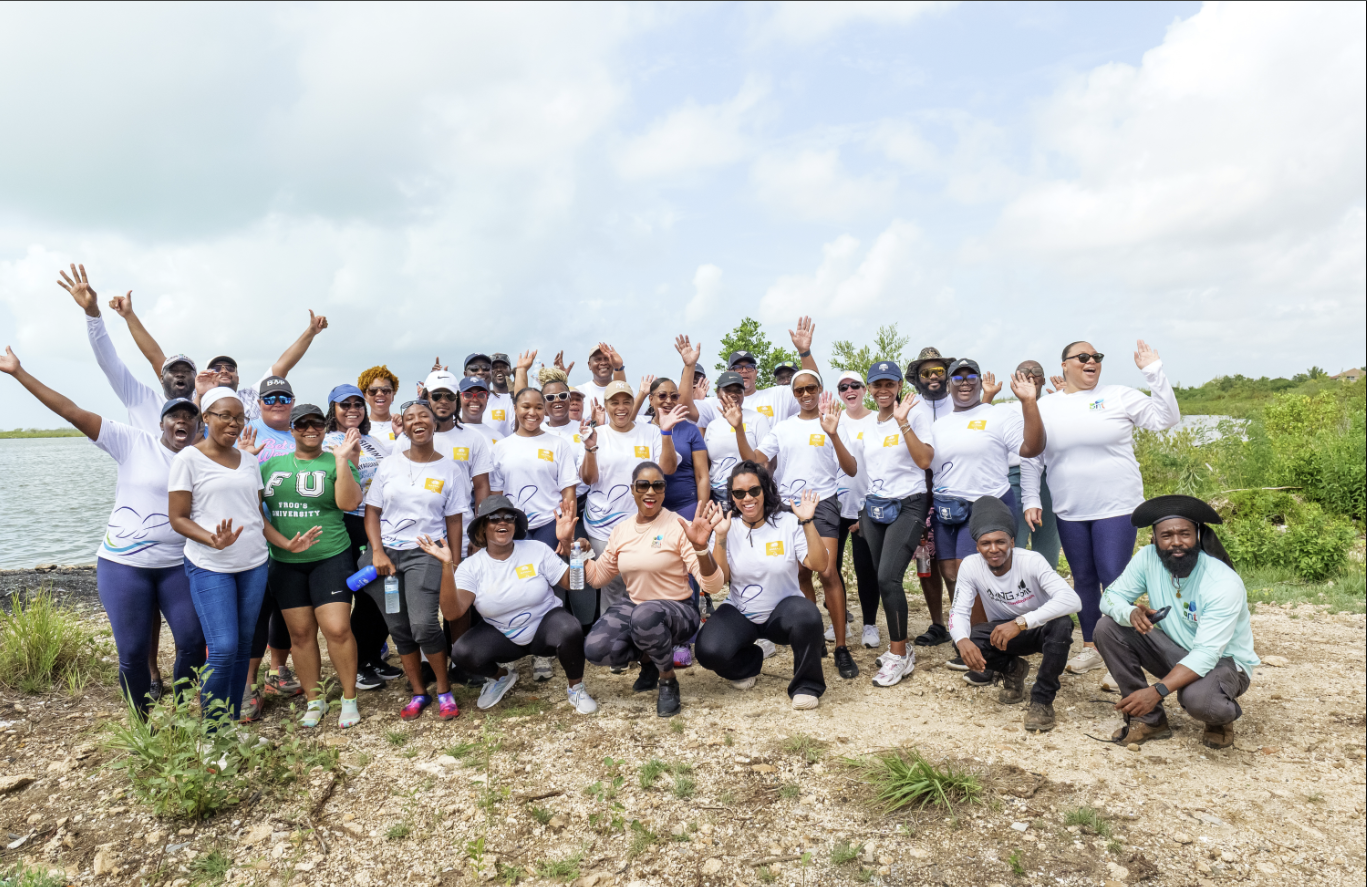
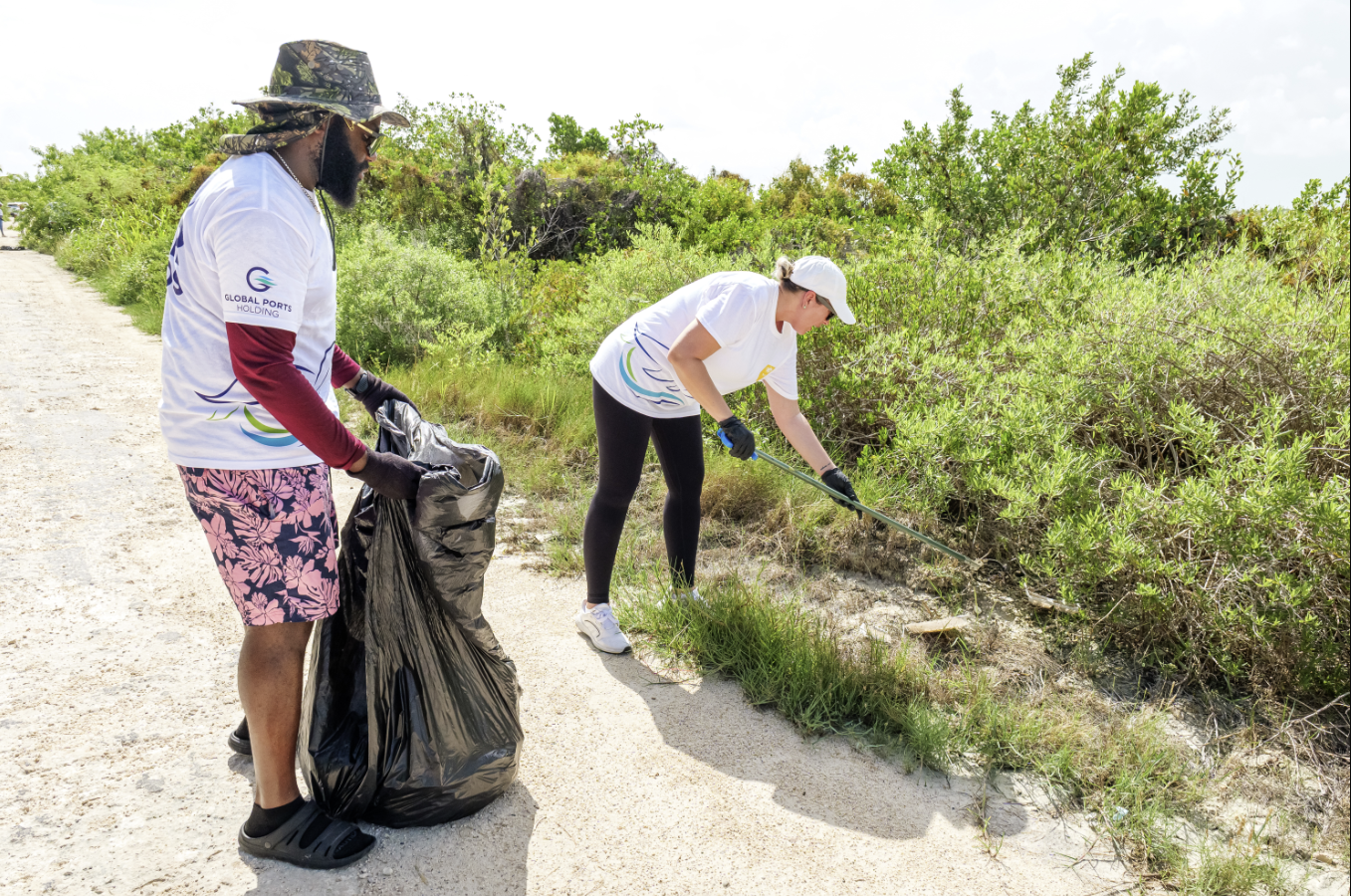
On September 11, 30 volunteers from Nassau Cruise Port and members of the wider port community joined the Bahamas National Trust at Bonefish Pond National Park, removing approximately 2,100 pounds of waste from the protected wetland area. The initiative included representatives from Grupo Anderson’s and Port Nassau Excursions and formed part of the port’s ongoing “It’s in Our Hands” environmental campaign.
The activity takes on particular relevance given the scale of Nassau’s cruise business. Nassau Cruise Port handled 6,070,532 passengers and 1,582 cruise calls in 2025, up from 5.65 million passengers and 1,445 calls the previous year. During the first quarter of 2026 alone, passenger traffic increased by nearly 15% to approximately 1.8 million, while cruise calls rose 5.5%. For one of the world’s busiest transit cruise destinations, that growth is placing greater emphasis on how port development and visitor volumes are balanced with environmental protection and community engagement.
Bonefish Pond National Park provides a particularly relevant setting for the initiative. Located on the southern side of New Providence, the park protects approximately 1,235 acres of coastal habitat and one of the island’s remaining intact tidal mangrove ecosystems. The area was historically affected by illegal dumping before being designated a national park in 2002, with long-term restoration and cleanup programmes subsequently led by the Bahamas National Trust.
Its mangrove ecosystem serves as nursery habitat for marine species including snapper, grouper, grunts and crawfish, while also helping stabilise the coastline and support broader coastal resilience. The Bahamas National Trust continues to identify illegal dumping and nearby development pressure among the environmental challenges affecting the area.
The latest cleanup also builds on a broader relationship between Nassau Cruise Port and the Bahamas National Trust. In March 2026, the organisations announced a three-year partnership under which the port committed $75,000 to conservation and environmental awareness programmes. Nassau Cruise Port also became the founding corporate partner of the Blue Green Bahamas: Visitor Awareness Initiative, designed to introduce both cruise passengers and residents to the country’s ecosystems through digital content, signage and educational campaigns. This approach reflects a wider shift in cruise destination management, with ports increasingly looking beyond infrastructure development and passenger throughput to their relationship with the communities and natural environments surrounding them.
Nassau Cruise Port was the first port in the Global Ports Holding network to participate in International Coastal Cleanup activities when it joined the initiative in 2022. In 2025, the programme expanded across the wider GPH portfolio, bringing together employees, local communities and stakeholders at ports in multiple regions. The programme is now part of a broader GPH sustainability framework that includes waste reduction, recycling, energy-efficiency projects, emissions monitoring and community engagement across its global port network. At Nassau, the “It’s in Our Hands” platform has also included port recycling initiatives and regular removal of marine debris from the harbour.
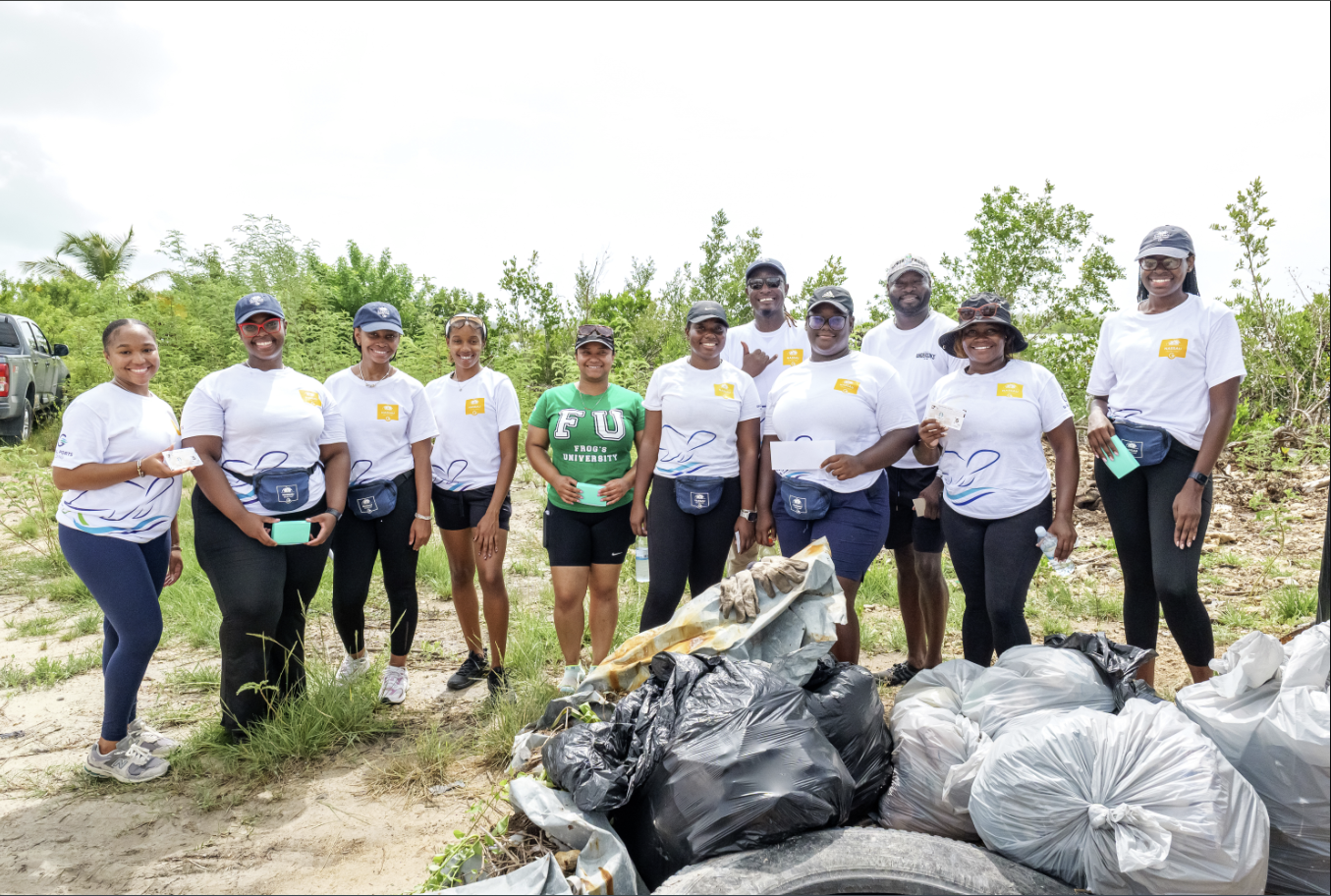
The International Coastal Cleanup itself has developed into a global citizen-science programme as well as a waste-removal initiative. Organised by Ocean Conservancy, it operates in more than 100 countries, with volunteers recording the types of debris they recover to help build data on marine pollution. Since the programme began in 1986, nearly 20 million volunteers have removed more than 400 million pounds of waste from beaches and waterways worldwide. For Nassau Cruise Port, the latest Bonefish Pond project therefore represents more than an annual volunteer activity. Against a backdrop of continued cruise traffic growth, it illustrates how environmental partnerships and destination stewardship are becoming a more visible component of port strategy alongside capacity expansion and guest experience.
Gabriele Bassi