
The Caribbean Tourism Organization will introduce its first Future Leaders Forum during SOTIC 2026 in Georgetown, Guyana, creating a new space for students and emerging professionals to engage directly with senior tourism leaders and contribute to discussions about the future of Caribbean tourism.
The forum, titled “From the Classroom to the Caribbean: Conversations with Tourism Leaders,” will take place on October 5 from 10:00 a.m. to 11:30 a.m. as part of the opening programme of the State of the Tourism Industry Conference. Rather than following the format of a conventional conference session, the event has been designed as an interactive town hall, with live polling, open discussion and direct exchanges between students and representatives from government, tourism organisations, academia, communities and the private sector. The initiative reflects one of the central themes of SOTIC 2026, “Tourism Futures: Smart, Sustainable and Inclusive,” and places younger generations directly within a wider debate about the challenges that will shape Caribbean tourism over the coming decade. Climate resilience, artificial intelligence, entrepreneurship, biodiversity, community tourism, destination management and workforce development are all expected to feature prominently in the discussions, reflecting how quickly the tourism landscape across the region is evolving.
The forum will be moderated by Narendra Ramgulam, CTO’s Deputy Director of Sustainable Tourism, while CTO Secretary-General and CEO Dona Regis-Prosper will open the session. The format will begin with a live audience poll examining which issues participants believe will have the greatest influence on the region’s tourism future, followed by a “Town Hall Kickstarter” in which tourism leaders will respond to one central question: what is one challenge the next generation of Caribbean tourism leaders must solve, and why? The discussion will then move into an “Ask Me Anything: Caribbean Tourism Edition,” giving students the opportunity to question industry leaders directly on topics ranging from climate and technology to careers, entrepreneurship, community development and destination strategy. The approach is significant because it shifts young participants away from the passive role they are often assigned at industry conferences. Instead, they are being invited to challenge established perspectives, raise difficult questions and contribute ideas of their own. That is particularly relevant in a region where tourism is one of the most important economic sectors and where decisions taken today on sustainability, technology, workforce development and destination management will have long-term consequences for younger generations.

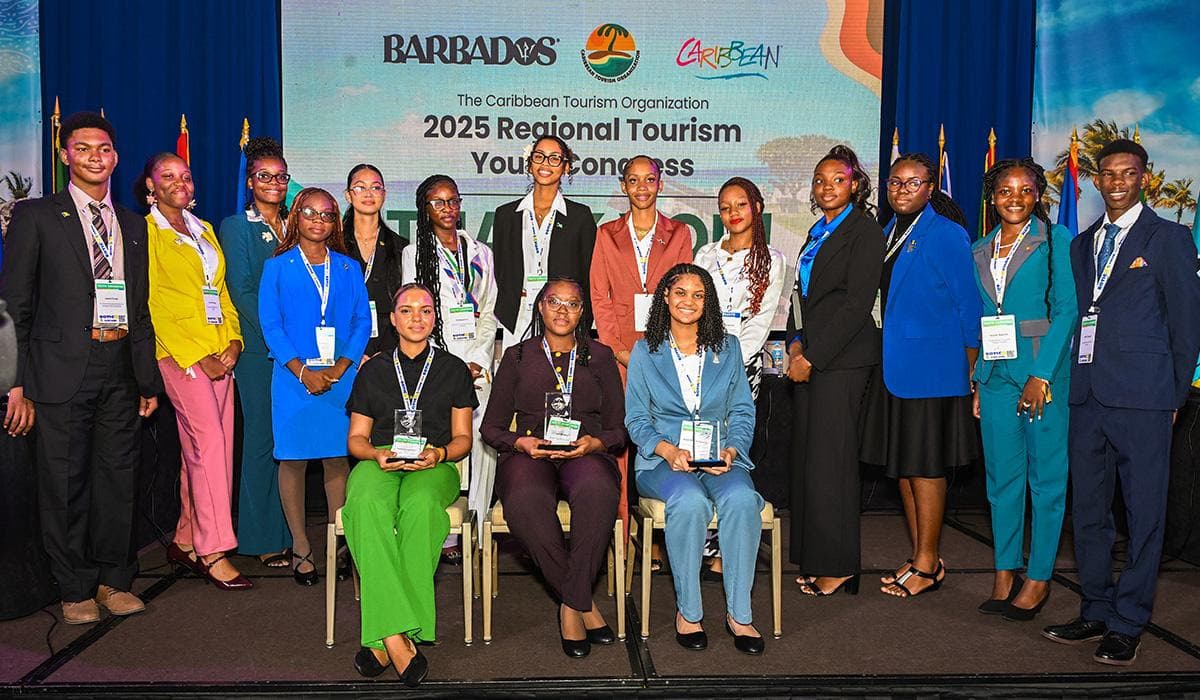
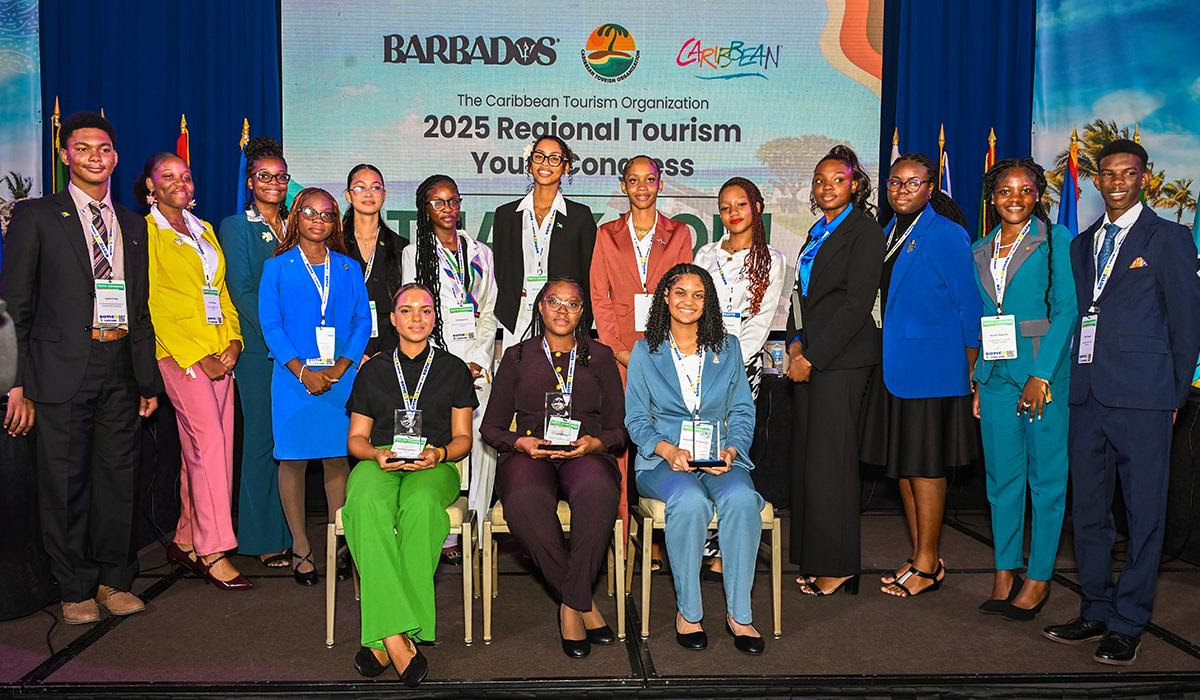
The programme will also include the Caribbean Tourism Legacy Wall, where students and tourism leaders will complete the statement “My legacy for Caribbean tourism will be…” and publicly share their commitments. The symbolic element may be simple, but it reinforces the broader message of the forum: the future of tourism is not solely a matter for current ministers, executives and destination managers, but also for those who will eventually inherit responsibility for the sector. The focus on youth will continue later in the week through the Regional Tourism Youth Congress, another established SOTIC event designed to give young Caribbean participants a platform to debate tourism issues and present ideas for the future of the region. SOTIC 2026 will be held in Georgetown from October 5 to 9 and will bring together tourism ministers, commissioners, directors of tourism, private-sector leaders, researchers, media and international stakeholders to examine the strategic issues affecting the Caribbean tourism economy. The wider programme will focus not only on tourism growth but also on resilience, technological change, environmental protection, inclusion and the ability of Caribbean destinations to remain globally competitive.
The inclusion of the Future Leaders Forum fits naturally within that wider agenda. Tourism across the Caribbean will increasingly depend on the ability to retain local talent, create credible career pathways and ensure that younger professionals see the sector not only as a source of employment but as an industry in which they can influence policy, innovation and development. Bringing students into direct contact with decision-makers can therefore serve a practical purpose, helping to reduce the distance between education and the professional tourism environment. For the wider travel industry, there is also an important message here. Much of the discussion around the future of Caribbean tourism understandably focuses on infrastructure, airlift, cruise traffic, investment and sustainability, but human capital will be equally decisive. Technology can transform destination management and artificial intelligence may reshape many areas of travel, yet the quality of tourism will continue to depend heavily on the knowledge, creativity and leadership of the people working within it. By creating a dedicated platform for younger voices at SOTIC 2026, the Caribbean Tourism Organization is acknowledging that the next generation should not simply be prepared to enter the industry in the future, but should already have a place in the conversations defining where it is heading.
Gabriele Bassi