
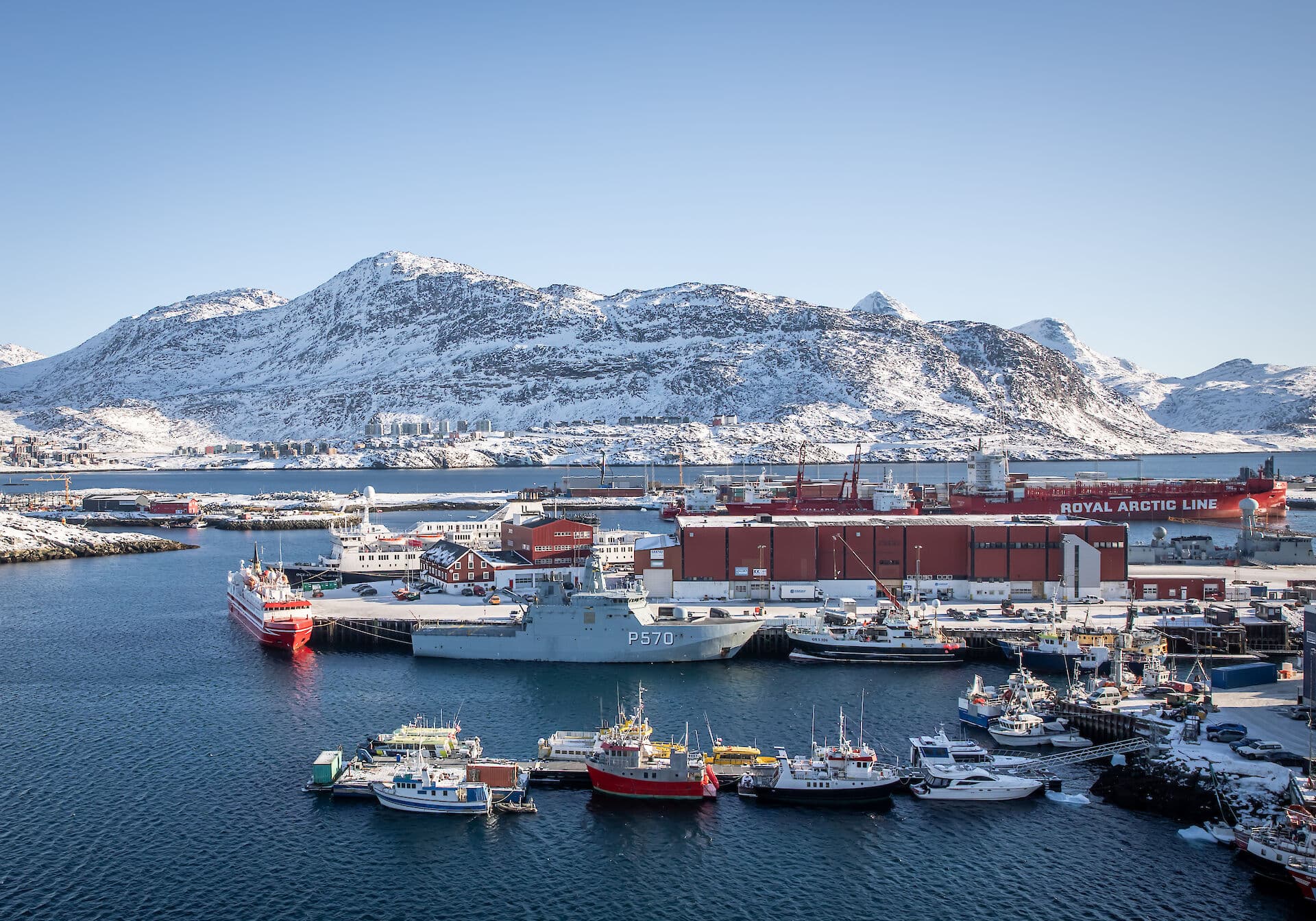
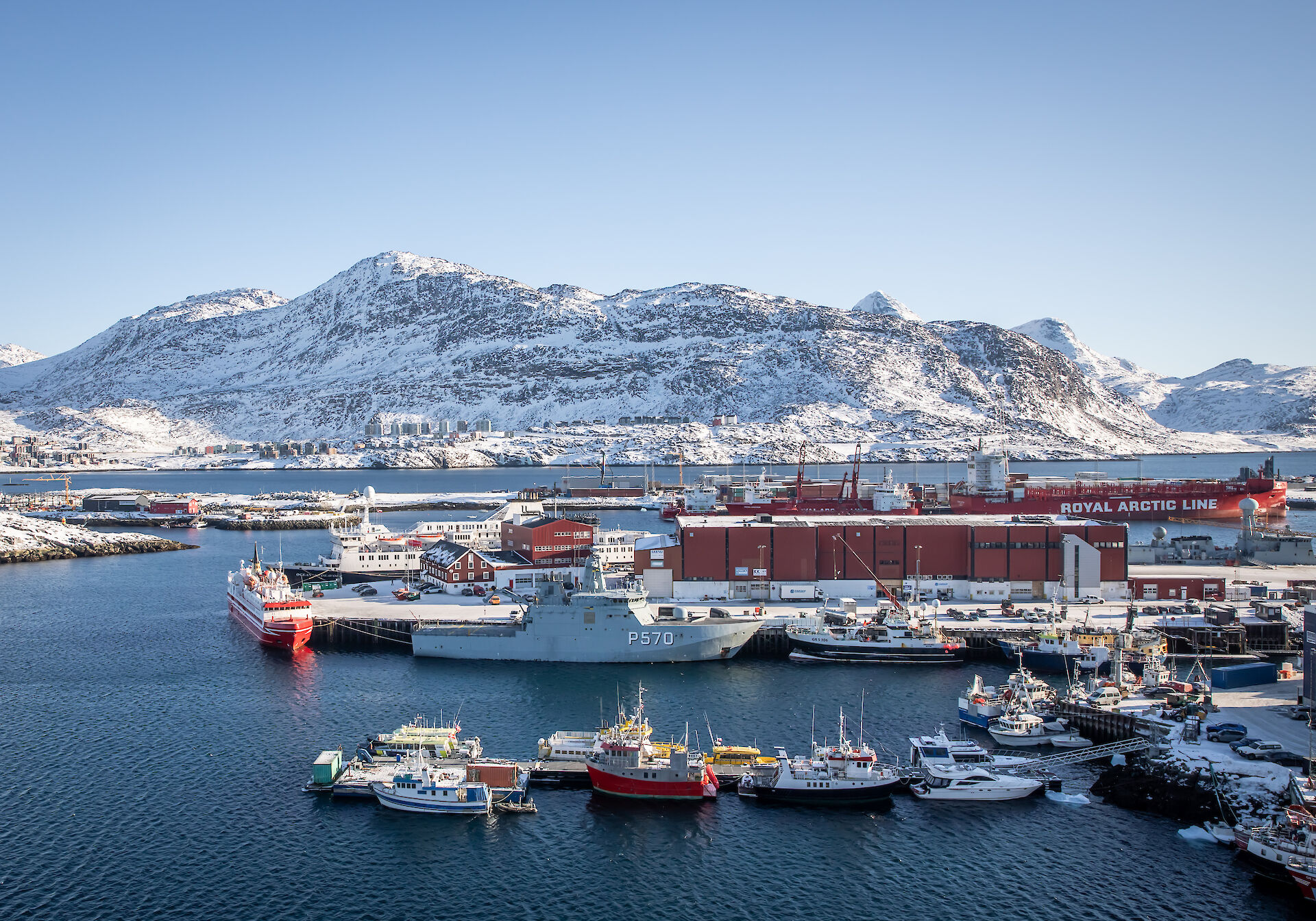
Cruise Europe has welcomed Sikuki Nuuk Harbour as its first member in Greenland, marking an important step in the association’s expansion into the Arctic and reflecting the growing role of Greenland within Northern European cruise itineraries. The move comes at a time when the country is seeing increasing interest from both expedition operators and larger cruise brands, supported by new air connections, improved turnaround facilities and broader investment in tourism infrastructure.
Sikuki Nuuk Harbour is located on Greenland’s west coast, in an ice-free area that allows year-round operations and provides direct access to Nuuk, the world’s northernmost capital. The port already handles a mix of expedition vessels and conventional cruise ships, positioning it as one of the most strategically relevant gateways to the country.
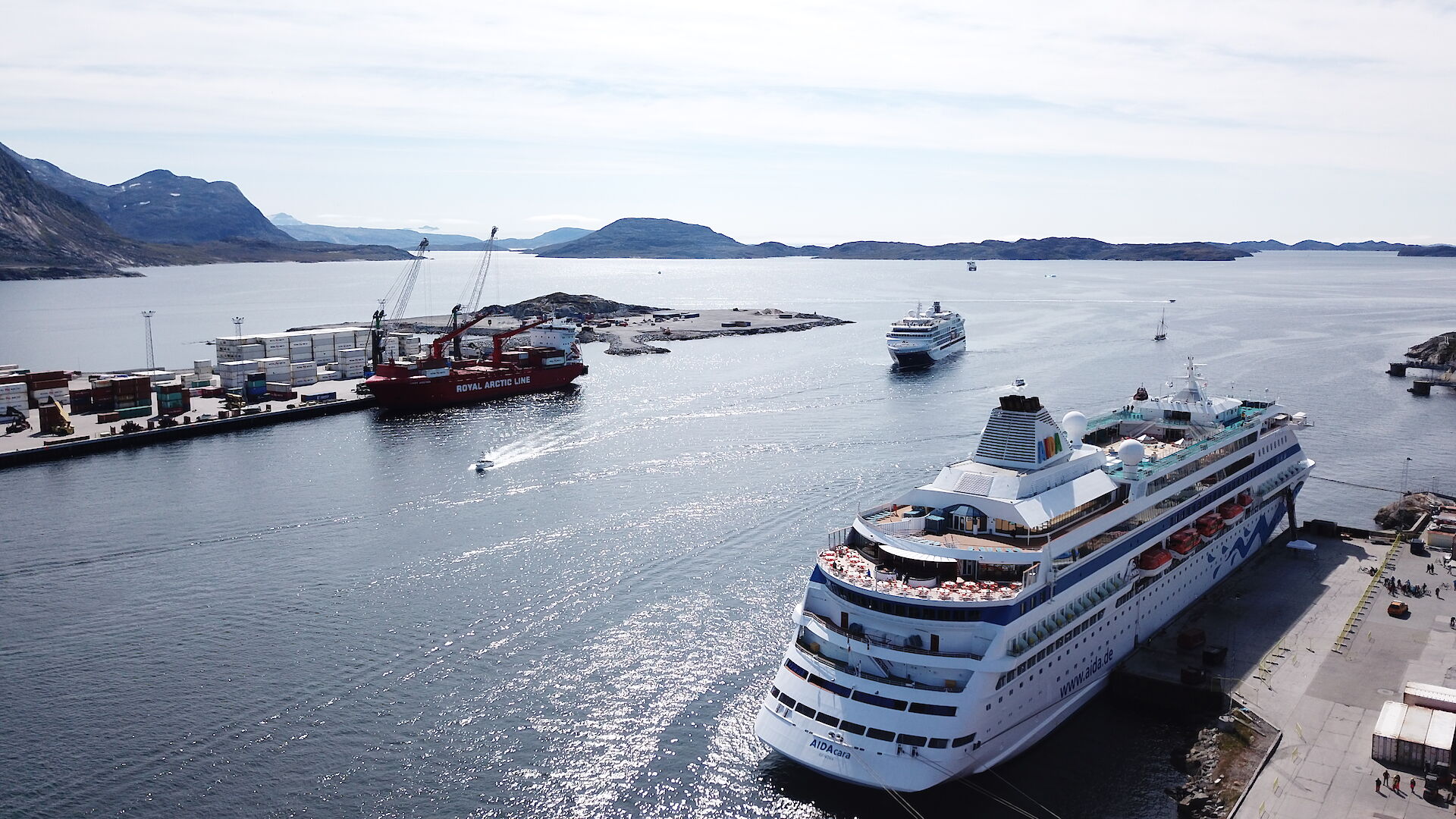
The importance of cruise tourism to Greenland is already significant. According to figures cited by Cruise Europe from a Ramboll study commissioned for Visit Greenland, the cruise sector accounts for around DKK 765 million, approximately €102 million, out of DKK 1.9 billion in total foreign tourism turnover, representing about 40% of the total. Expedition cruising alone contributes DKK 501 million, while conventional cruising accounts for DKK 264 million. Separate official tourism data also shows that around 95,000 of the roughly 149,000 international visitors recorded in Greenland in 2024 arrived by cruise ship, confirming how central maritime tourism has become to the country’s visitor economy.
Nuuk is particularly well placed to benefit from this growth. The opening of Nuuk International Airport in November 2024 has changed the logistics of cruise operations considerably, making turnarounds easier and opening new possibilities for fly-cruise itineraries. The airport currently offers year-round connections with Copenhagen and Reykjavik, while seasonal services also connect Nuuk directly with Newark in the United States. At the same time, Sikuki Nuuk Harbour introduced a new turnaround terminal in 2025, allowing the port to handle passport controls, immigration procedures and baggage operations in direct coordination with the airport.
This combination of air and maritime infrastructure is particularly important for expedition cruising, where efficient turnarounds can significantly improve itinerary flexibility. In 2025, Nuuk handled 78 cruise calls and 43,670 passengers, including 27 turnaround calls from operators such as Viking and Hurtigruten. Although overall calls declined in 2026, Cruise Europe reports that the port expects a renewed increase in 2027, with 70 calls projected, including 45 turnarounds. Most calls are currently generated by expedition ships carrying up to around 600 passengers, but Nuuk has also welcomed vessels from AIDA Cruises, Norwegian Cruise Line, MSC Cruises and Royal Caribbean.
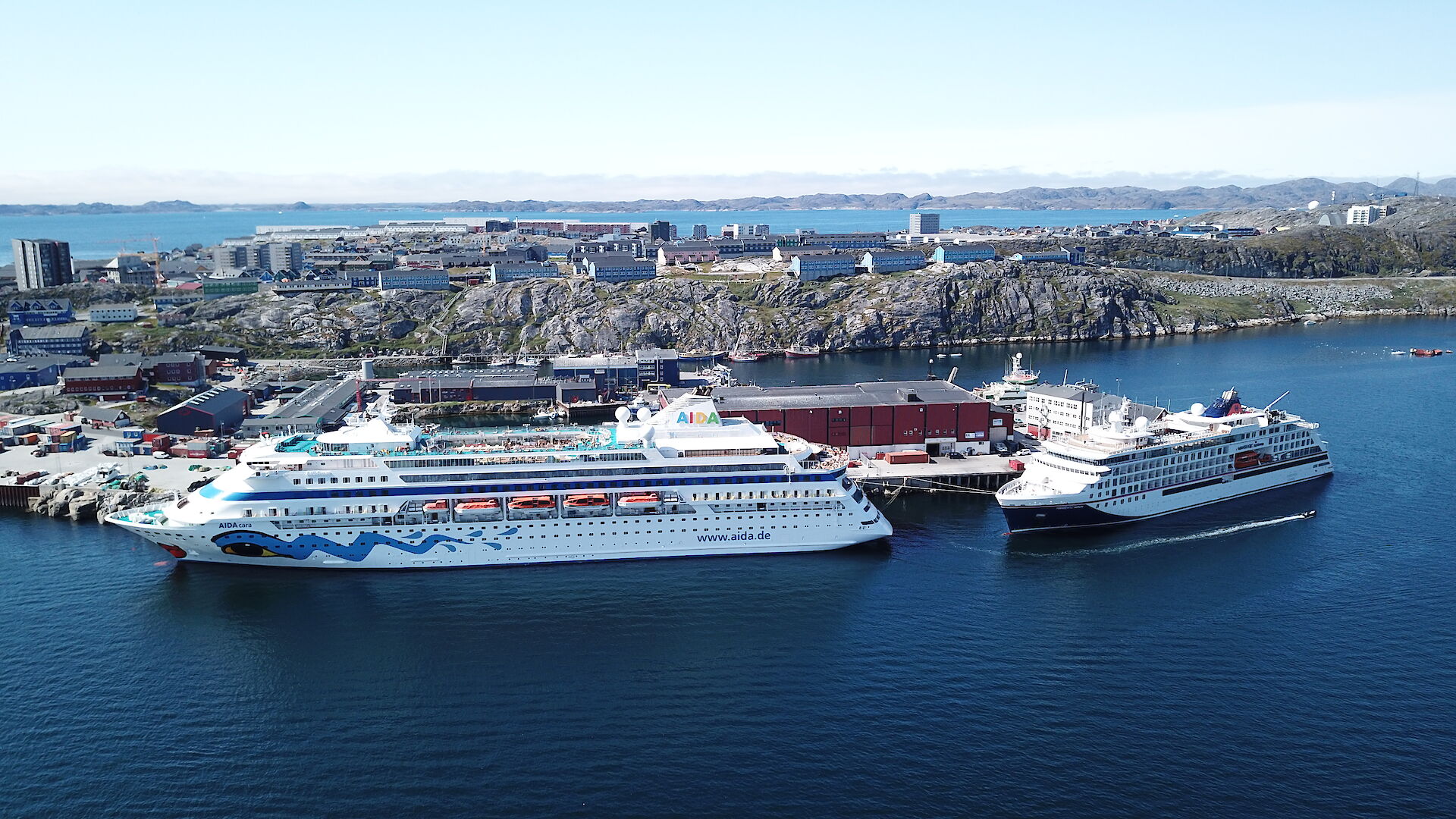
The physical characteristics of the port reflect this dual role. Atlantkaj, the principal cruise berth, can accommodate ships up to approximately 300 metres in length, while the smaller Feederkaj is particularly suitable for expedition vessels. Both are located around one kilometre from Nuuk’s city centre, giving passengers relatively easy access to museums, shops, restaurants and cultural attractions. A major harbour extension is also underway, with around 350 metres of new quay scheduled to open in 2028. Once completed, commercial traffic will be relocated, allowing the existing facilities to become more specifically dedicated to cruise operations.
For Cruise Europe, the arrival of Sikuki Nuuk also has a broader strategic meaning. The association has traditionally represented ports and destinations across Northern and Atlantic Europe, but the inclusion of Greenland strengthens its presence in an area that is becoming increasingly important for expedition and small-ship cruising. This trend is already visible elsewhere in the network, with recent additions such as Tvoroyri in the Faroe Islands and Esbjerg in Denmark further expanding the association’s reach across destinations that appeal to travellers seeking nature, remoteness and less conventional itineraries. For Nuuk itself, joining Cruise Europe provides access to a wider network of ports, destinations and cruise industry stakeholders at a time when the destination is attempting to develop its cruise business more strategically. Sikuki Nuuk Harbour CEO John Rasmussen has highlighted the value of collaboration and knowledge sharing, noting that membership can help the port avoid developing solutions in isolation while allowing it both to learn from and contribute to the wider cruise community.
The opportunity is substantial, but growth in Greenland is also accompanied by a more complex debate about sustainability and local capacity. Visit Greenland has repeatedly stressed the need for tourism development to create tangible value for local communities and has previously raised concerns about the pressure that high cruise volumes can place on small destinations, public services and natural environments. The organisation’s latest Tourism Satellite Account shows that tourism directly contributed 4.9% of Greenland’s GDP in 2024 and supported around 1,800 jobs, underlining both the economic relevance of the sector and the need to manage its expansion carefully. This balance is particularly important in expedition cruising. Greenland is attractive precisely because of its remote landscapes, wildlife, culture and relative isolation, yet those same characteristics make many communities sensitive to rapid increases in visitor numbers. The future of cruise tourism in the country will therefore depend not only on attracting more ships, but also on matching vessel size, passenger flows, infrastructure and shore experiences to the capacity of individual destinations.
Nuuk offers a somewhat different model from many smaller Greenlandic ports. As the capital, it has stronger infrastructure, a broader tourism offering and better connections, making it more capable of handling turnaround operations and larger numbers of visitors. Excursions range from boat trips through Nuup Kangerlua and whale watching to cultural visits centred on the Greenland National Museum, the colonial harbour district, Nuuk Art Museum and Katuaq Culture House, while hiking around Store Malene and Ukkusissat is increasingly popular among expedition guests. The port’s future development will therefore be closely watched by cruise lines interested in expanding Arctic itineraries. As access improves, Nuuk has the potential to evolve from being primarily a port of call into a more important embarkation and disembarkation point for Greenland voyages, especially for premium, luxury and expedition operators. The combination of a modern airport, new terminal facilities and direct access to the surrounding fjord system gives the destination a logistical advantage that few other Greenlandic ports can currently match.
Sikuki Nuuk Harbour’s membership in Cruise Europe should consequently be seen as more than the simple addition of another port to an association. It reflects a wider shift in Northern European cruising, where Greenland, the Faroe Islands and other remote destinations are becoming increasingly integrated into established cruise networks. For Cruise Europe, the move extends its geographical reach deeper into the Arctic; for Greenland, it creates another channel through which its ports can engage with cruise lines and exchange expertise with more established destinations. The real challenge will now be ensuring that this growth remains compatible with the environmental and social realities of the Arctic, preserving the qualities that make Greenland such a distinctive cruise destination in the first place.
Gabriele Bassi