
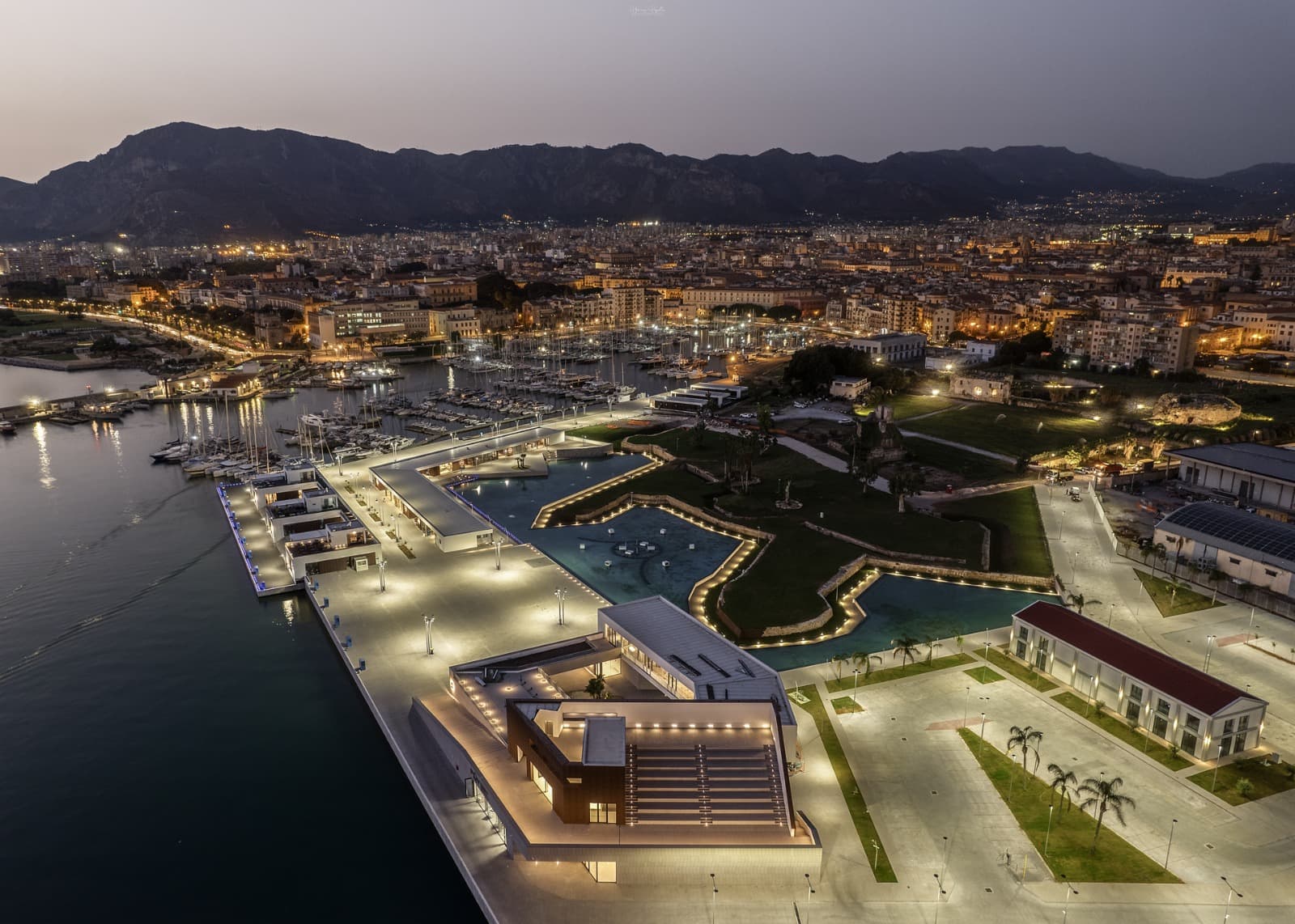
For decades, the Mediterranean has been one of the world’s most successful cruise regions. Its remarkable diversity of destinations, cultures and experiences has made it a benchmark for global cruising, welcoming millions of passengers every year.
As the industry continues to evolve, however, success should increasingly be measured not only by the number of visitors, but by the positive and lasting contribution cruise tourism makes to destinations, economies and local communities.
The future of Mediterranean cruising will depend on creating value that extends well beyond the port call itself. Every cruise visit has the potential to generate economic opportunities, strengthen local businesses, promote cultural heritage and support regional development. Achieving these outcomes requires careful planning and a shared commitment from all those involved in the cruise ecosystem.
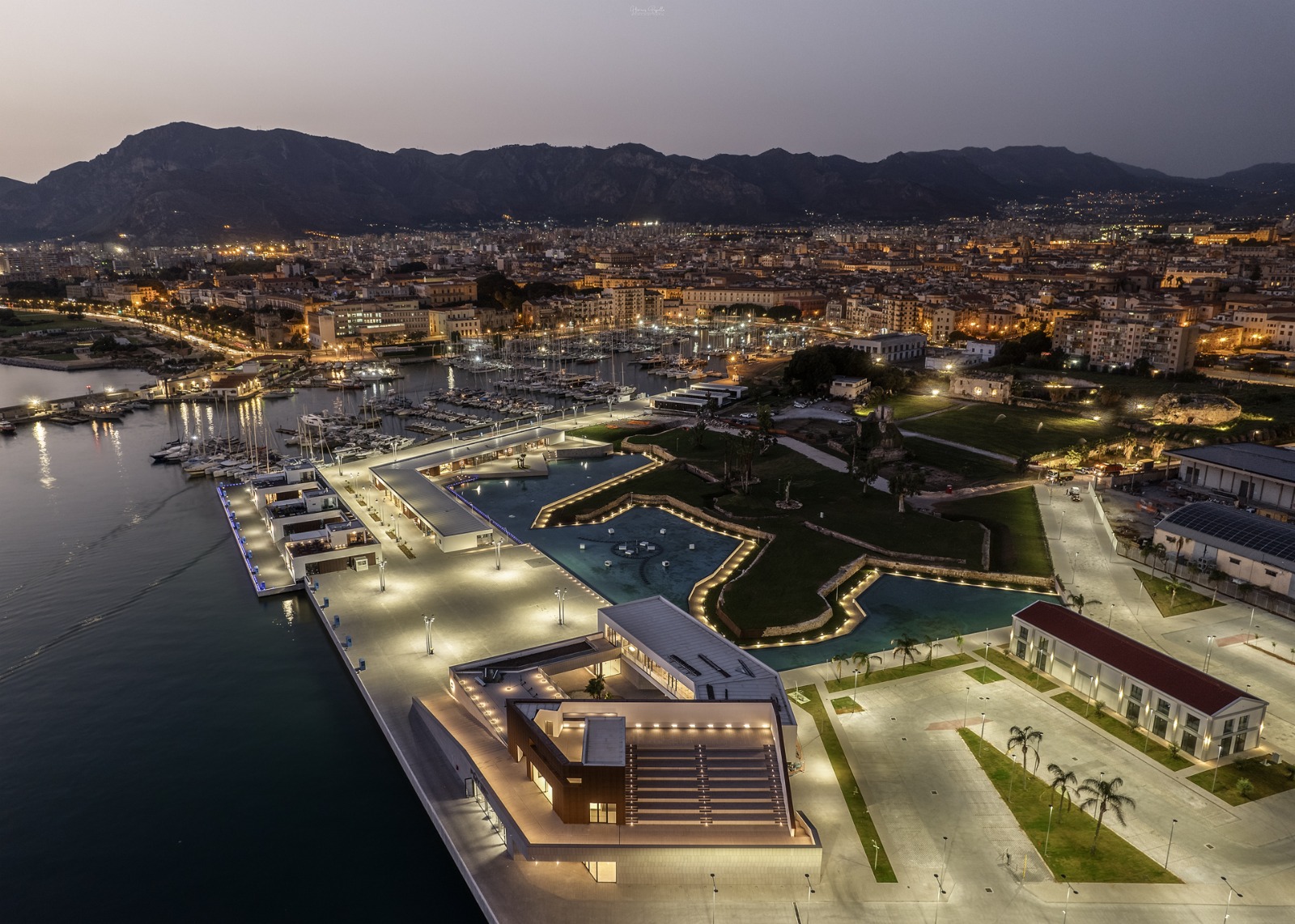
The Mediterranean's greatest asset is its diversity. From internationally recognised cruise hubs to smaller emerging destinations, every port offers a distinctive experience and contributes to the richness of the region. By encouraging more balanced itineraries and extending cruise activity throughout the year, the industry can help spread tourism benefits more evenly, reduce seasonal pressures and provide travellers with new and authentic experiences. A more diversified approach also enhances the resilience of destinations in an increasingly competitive global market.
At the same time, destinations must continue preparing for the future. Investment in modern infrastructure, efficient transport links, digital technologies and smart operational solutions will enable ports to respond to changing passenger expectations while improving the overall visitor experience. Innovation should always support clear objectives: making cruise operations more efficient, strengthening destination management and improving the quality of the experience for residents and visitors alike.
Environmental responsibility remains a key priority, but sustainability should be viewed through a broader lens. Alongside decarbonisation and the protection of natural and cultural heritage, equal attention should be given to social and economic sustainability. Cruise tourism should create quality employment, support local entrepreneurs and generate tangible benefits that communities can recognise and value. When residents see tourism contributing positively to their quality of life, destinations become stronger and more resilient.
Reliable data and research are becoming increasingly important tools for informed decision-making. Understanding visitor patterns, measuring economic impact and evaluating operational performance allow ports and destinations to make better strategic choices. Evidence-based planning also helps identify opportunities for improvement while ensuring that future development remains balanced and responsive to local realities.
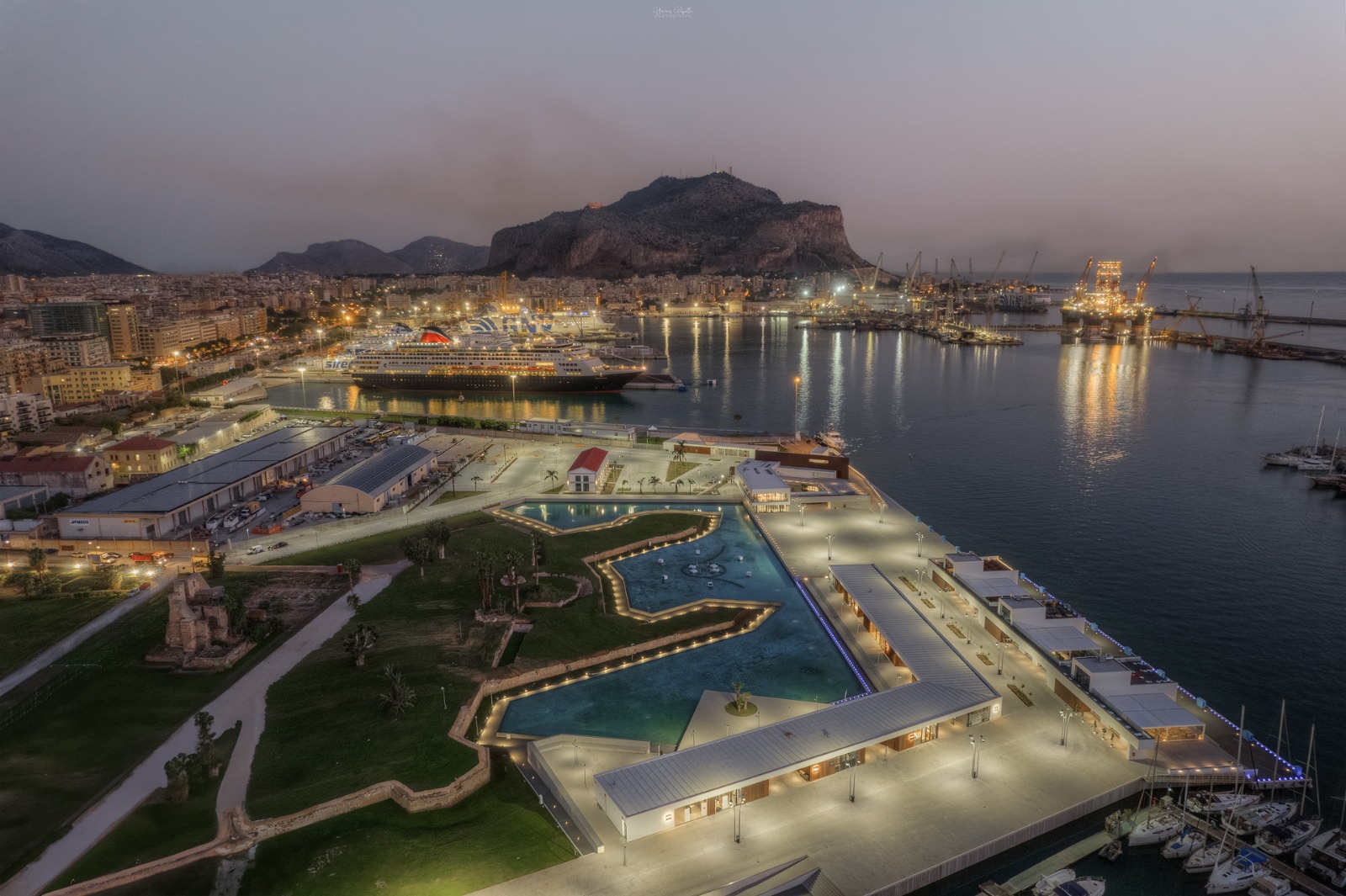
Over the past three decades, MedCruise has witnessed the remarkable transformation of the Mediterranean cruise industry. Throughout this journey, cooperation has consistently proven to be the foundation of progress. By connecting ports, destinations, cruise lines and industry partners, the Association continues to facilitate dialogue, encourage the exchange of knowledge and promote initiatives that strengthen the region as a whole. The challenges facing the industry today are increasingly shared, and so too must be the solutions.
Looking ahead, the Mediterranean has every opportunity to remain the world's leading cruise destination. Its future will not depend solely on attracting more passengers, but on creating stronger destinations, delivering greater value for communities and building a cruise industry that is resilient, innovative and sustainable. By embracing collaboration, investing in preparedness and placing long-term value at the centre of every decision, the Mediterranean can continue to set the standard for responsible cruise tourism worldwide.
MedCruise